Introduction
The Papuan Sheath-tailed Bat, scientifically known as Saccolaimus mixtus, is a fascinating member of the Emballonuridae family. This species, native to Papua New Guinea, has intrigued researchers and bat enthusiasts alike due to its unique adaptations and behaviors. Understanding the ecological role and conservation needs of the Papuan Sheath-tailed Bat is vital for maintaining the biodiversity of its natural habitat. This article delves into the physical characteristics, habitat preferences, and behaviors of Saccolaimus mixtus, providing a comprehensive overview of this remarkable mammal.
Physical Description
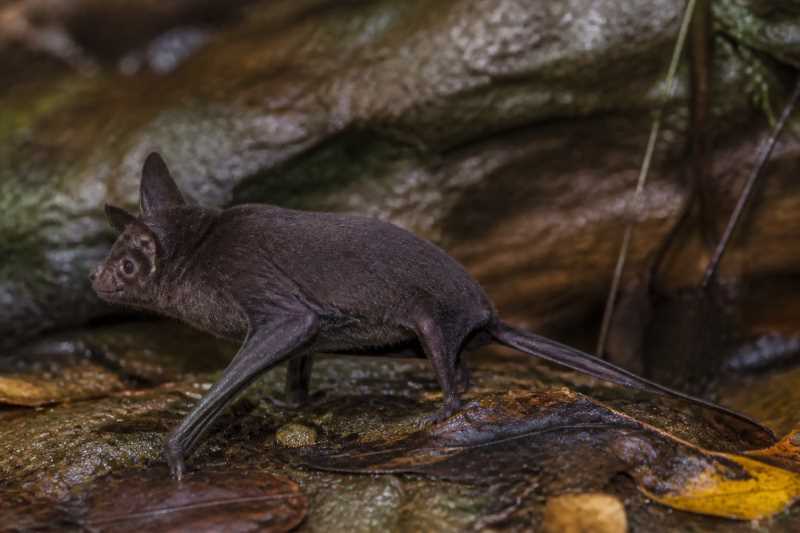
The Papuan Sheath-tailed Bat is a medium-sized bat species characterized by its distinctive sheath-like tail, which partially extends beyond the tail membrane. This feature is common among members of the Emballonuridae family. Weighing between 20 to 30 grams, these bats possess a wingspan ranging from 30 to 35 centimeters, allowing them to maneuver adeptly in flight.
Their fur is typically dark brown or black, providing excellent camouflage against the night sky. The ears of the Papuan Sheath-tailed Bat are relatively small, yet they exhibit acute hearing abilities essential for echolocation. The muzzle is blunt, with a reduced noseleaf that aids in their complex vocalizations used for navigation and hunting.
The bat’s morphology reflects its adaptation to an aerial lifestyle, with elongated forearms and flexible wing membranes crafted for sustained flight. This enables the Papuan Sheath-tailed Bat to cover extensive distances in search of food, making it an integral part of the ecosystem as both predator and prey.
Range and Habitat
Saccolaimus mixtus is primarily found in the lowland forests and mangroves of Papua New Guinea. Its range, while limited to this region, highlights the species’ adaptation to specific environmental conditions. These bats prefer habitats with dense foliage and ample roosting sites, such as hollow trees or crevices in rock formations.
The abundance of insects in these habitats provides a steady food supply, ensuring the survival of the species. The tropical climate of Papua New Guinea, with its high humidity and warm temperatures, further supports the life cycle of the Papuan Sheath-tailed Bat, facilitating year-round activity and breeding.
Behavior and Diet
The Papuan Sheath-tailed Bat is primarily nocturnal, using the cover of darkness to hunt and feed. Their diet consists predominantly of insects, which they expertly capture in mid-flight using their echolocation abilities. This echolocation system is finely tuned, allowing these bats to detect, track, and capture prey with incredible precision.
During the day, Saccolaimus mixtus roosts in secluded locations, minimizing their exposure to predators. These bats are known to form small, stable colonies, which provide social interaction and increased protection against threats.
Breeding occurs seasonally, and females typically give birth to a single offspring, ensuring high parental investment. The young are altricial, relying heavily on maternal care until they develop the skills necessary for independent survival.
Identification Tips (Field Recognition Cues)
Identifying the Papuan Sheath-tailed Bat in the field requires attention to specific characteristics:
- Tail Structure: Look for the unique sheath-like tail extending beyond the tail membrane.
- Coloration: Observe the dark brown or black fur, which is distinctive against the night sky.
- Size and Wingspan: Note the medium size and wingspan of 30-35 cm, typical of this species.
- Echolocation Calls: Listen for their high-frequency echolocation clicks, often detected using a bat detector.
Conservation Status (with Threats and Protections)
The Papuan Sheath-tailed Bat is currently listed as Near Threatened due to habitat loss and degradation caused by deforestation and land conversion for agriculture. The loss of roosting sites and food resources poses significant threats to the survival of this species.
Conservation efforts are focused on habitat protection and restoration. Establishing protected areas and implementing sustainable forestry practices are crucial for preserving the natural ecosystems these bats depend on. Additionally, raising public awareness about the ecological importance of bats can help garner support for conservation initiatives.
Frequently Asked Questions
What does the Papuan Sheath-tailed Bat eat?
The diet of the Papuan Sheath-tailed Bat primarily consists of insects. They use echolocation to locate and capture their prey during flight, playing a vital role in controlling insect populations.
Where can the Papuan Sheath-tailed Bat be found?
This bat species is native to Papua New Guinea, inhabiting lowland forests and mangroves. They prefer environments with dense foliage and ample roosting sites.
How does the Papuan Sheath-tailed Bat contribute to its ecosystem?
As insectivores, these bats help regulate insect populations, which can impact plant pollination and control pest species. Their presence indicates a healthy, balanced ecosystem.
What are the main threats to the Papuan Sheath-tailed Bat?
The primary threats include habitat loss due to deforestation and agricultural expansion, which reduce available roosting sites and food resources.
How can we help conserve the Papuan Sheath-tailed Bat?
Supporting habitat protection efforts, promoting sustainable land use, and raising awareness about the importance of bats in ecosystems are key actions individuals can take to aid conservation.
Related posts