Introduction
The Gansu Shrew (Sorex cansulus) is a lesser-known mammal that belongs to the family Soricidae. This small mammal is native to parts of China and has piqued the interest of researchers and nature enthusiasts alike due to its unique adaptations and specific habitat requirements. Understanding the Gansu Shrew’s ecological role and conservation needs is crucial for preserving biodiversity and maintaining ecosystem balance. This article delves into the various aspects of the Gansu Shrew’s life, from its physical characteristics to its behavior, habitat, and conservation status.
Physical Description
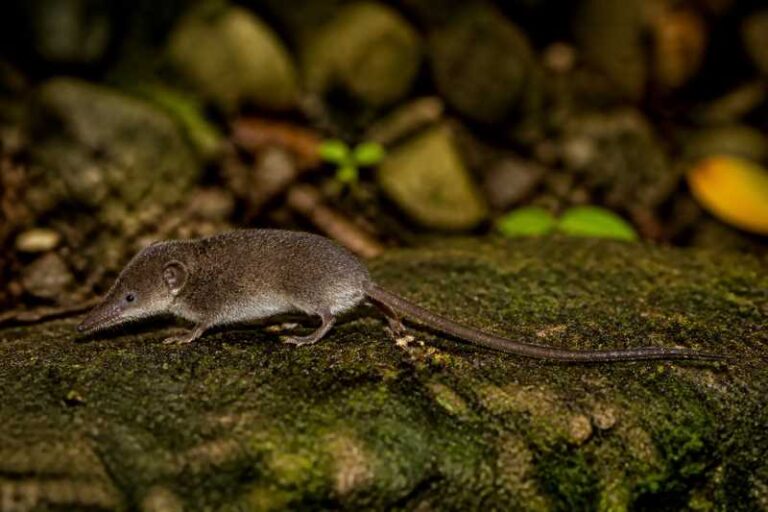
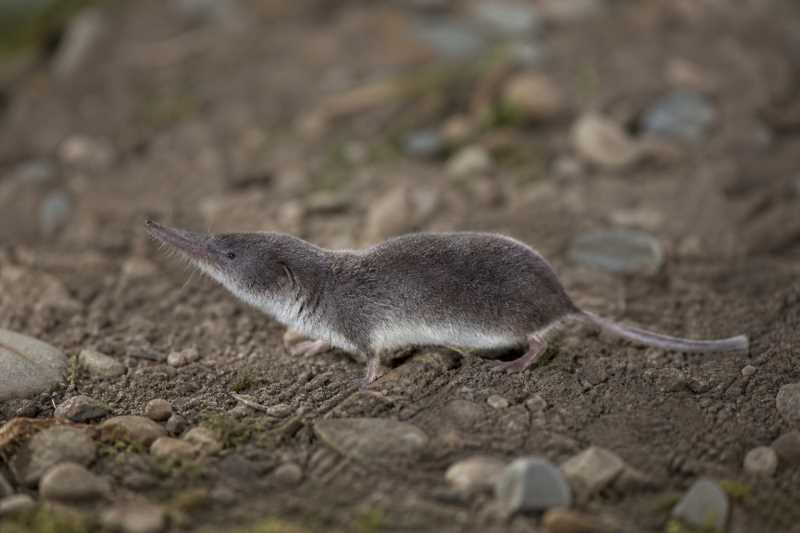
The Gansu Shrew is a small-sized mammal with a body length ranging from 4 to 6 centimeters, excluding its tail, which can add an additional 3 to 4 centimeters. The shrew’s weight is typically around 4 to 8 grams, making it one of the lighter species in its genus. Its fur is dense and velvety, providing insulation against its often cool habitat. The coloration of the Gansu Shrew is generally a muted brown or grey on the dorsal side, with a slightly lighter underbelly, aiding in camouflage within its environment.
A defining feature of the Gansu Shrew is its elongated, pointed snout, which is highly sensitive and equipped with whiskers to help it navigate and forage in the dark or under leaves and debris. Its small, beady eyes are adapted for low-light conditions, while its ears are also small and rounded, minimizing heat loss. The shrew’s limbs are short, with tiny, sharp claws that are perfect for digging through soil and leaf litter in search of food.
Range and Habitat
The Gansu Shrew is primarily found in the Gansu province of China, with its range possibly extending into adjacent regions. It inhabits temperate montane forests, where it thrives in the cool, moist environment provided by the dense forest canopy and abundant ground cover. These forests are typically situated at elevations between 1,500 and 3,000 meters above sea level, where the shrew can find plenty of invertebrates and other food sources.
This species prefers habitats with thick underbrush and leaf litter, which provide both cover from predators and a rich hunting ground for its prey. The presence of fallen logs, rocks, and other natural debris is also beneficial, offering additional shelter and nesting sites.
Behavior and Diet
The Gansu Shrew is a solitary and primarily nocturnal creature, although it may also be active during the twilight hours. Its behavior is characterized by high levels of activity and a fast metabolism, necessitating frequent feeding. During its waking hours, the shrew is constantly on the move, foraging for food and exploring its territory.
Its diet consists mainly of small invertebrates, including insects, worms, and arachnids. It uses its acute sense of smell and touch to locate prey, often rooting through the soil and leaf litter. The Gansu Shrew’s sharp teeth and quick reflexes allow it to capture and consume prey efficiently. On occasion, it may also consume small amounts of plant material or fungi, although these are not primary food sources.
Identification Tips (Field Recognition Cues)
Identifying the Gansu Shrew in the field can be a challenge due to its small size and elusive nature. However, several key features can aid in its recognition:
- Size and Shape: Look for a small mammal with a slender, elongated body measuring 4 to 6 centimeters in length, excluding the tail.
- Fur Coloration: Note the muted brown or grey fur on the dorsal side and the lighter underbelly, which helps the shrew blend into its forest floor habitat.
- Snout and Whiskers: The shrew’s long, pointed snout and prominent whiskers are distinctive and crucial for its foraging activities.
- Activity Patterns: Spotting a Gansu Shrew is more likely during the night or early morning when it is most active.
- Habitat Preferences: Focus on areas with thick underbrush, leaf litter, and moist, cool forest environments.
Conservation Status (with Threats and Protections)
The conservation status of the Gansu Shrew is currently not well-documented, largely due to its elusive nature and the limited research conducted on this species. However, it is believed that habitat loss and degradation pose significant threats to its population. The expansion of agriculture, logging activities, and infrastructure development in the Gansu province and surrounding areas have led to a reduction in suitable habitats for the shrew.
Conservation efforts for the Gansu Shrew would benefit from more comprehensive studies to determine its population size, distribution, and ecological needs. Protecting its natural habitat through the establishment of nature reserves and promoting sustainable land-use practices are crucial steps in ensuring the survival of this species.
Frequently Asked Questions
What is the primary diet of the Gansu Shrew?
The Gansu Shrew primarily feeds on small invertebrates such as insects, worms, and arachnids. Its keen sense of smell and touch aids in locating these prey items within the leaf litter and soil.
Where can the Gansu Shrew be found?
The Gansu Shrew is primarily found in the Gansu province of China, inhabiting temperate montane forests at elevations between 1,500 and 3,000 meters. It prefers areas with thick underbrush and ample leaf litter.
How can I identify a Gansu Shrew in the wild?
To identify a Gansu Shrew, look for a small, slender mammal with a pointed snout and muted brown or grey fur. It is most active at night or during twilight hours in moist, forested environments.
What are the major threats to the Gansu Shrew’s survival?
Habitat loss and degradation due to agricultural expansion, logging, and infrastructure development are major threats to the Gansu Shrew’s survival. Conservation efforts focus on habitat protection and sustainable land use.
Is the Gansu Shrew endangered?
The exact conservation status of the Gansu Shrew is not well-documented, but habitat loss and environmental changes are concerns. More research is needed to assess its population health and ecological requirements.
Related posts