Flat-headed White-toothed Shrew (Crocidura planiceps)
Introduction
The Flat-headed White-toothed Shrew, scientifically known as Crocidura planiceps, is a small mammal belonging to the family Soricidae. This elusive species is part of the genus Crocidura, which is one of the most diverse genera of mammals, containing numerous species of shrews found across Europe, Africa, and Asia. The Flat-headed White-toothed Shrew is particularly interesting due to its distinct morphology and specialized habitat preferences, which have intrigued mammalogists and wildlife enthusiasts alike. This article provides a comprehensive overview of the Flat-headed White-toothed Shrew, covering its physical characteristics, habitat, behavior, and conservation status.
Physical Description
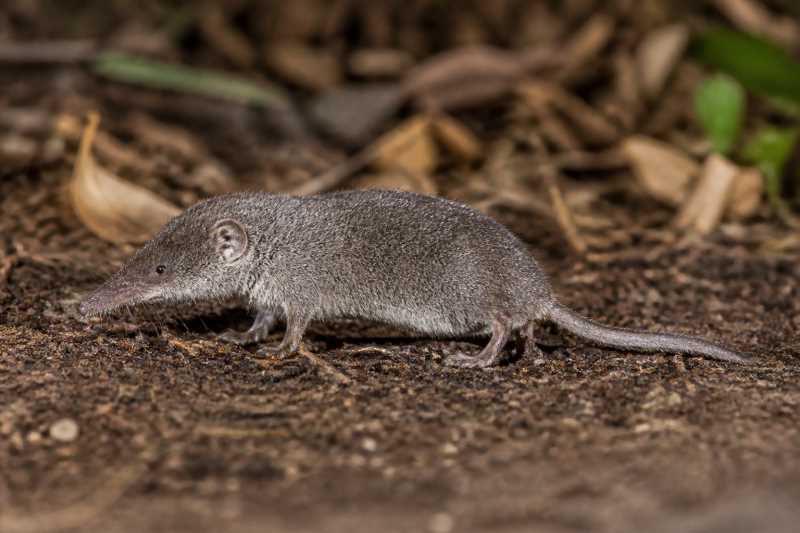
The Flat-headed White-toothed Shrew is characterized by its small, slender body and distinctive flat head. Adult shrews typically measure about 60 to 80 millimeters in length, excluding the tail, which adds another 40 to 60 millimeters. The average weight is around 5 to 15 grams, making it one of the lighter members of the Crocidura genus.
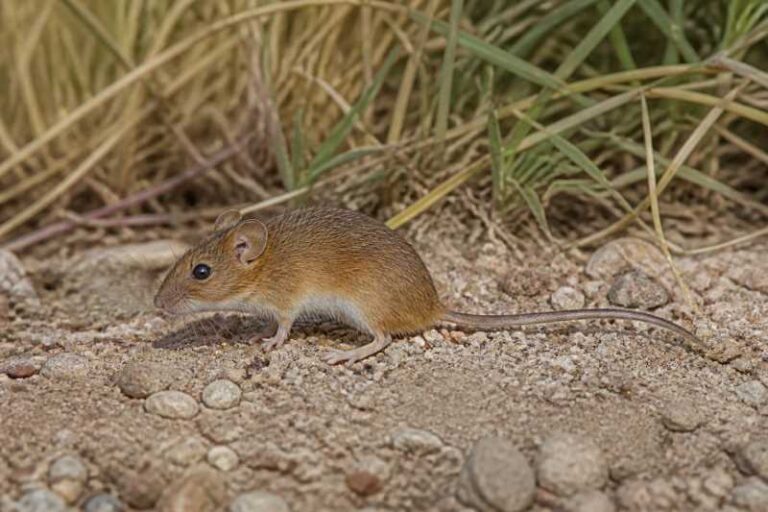
The fur of the Flat-headed White-toothed Shrew is generally a muted gray-brown on the dorsal side, with a slightly lighter, almost whitish coloration on the ventral side. This coloration provides effective camouflage in its natural habitat. As its name suggests, this shrew possesses white teeth, a feature common among the members of its genus, distinguishing them from other shrews which typically have pigmented teeth.
One of the most notable features is its head, which is distinctly flat compared to other shrews. This unique trait is thought to be an adaptation to its specific foraging and burrowing habits. The eyes are small, and the ears are inconspicuous, often hidden within the fur.
Range and Habitat
The Flat-headed White-toothed Shrew is predominantly found in Southeast Asia, with confirmed populations in countries such as Malaysia, Indonesia, and parts of Thailand. Its range is relatively limited compared to some other shrew species, which can be attributed to its specialized habitat requirements.
This species thrives in tropical and subtropical forests, often preferring moist environments with dense underbrush. They are particularly fond of areas with abundant leaf litter and decaying wood, which provide both food resources and protective cover from predators. Additionally, they can sometimes be found in agricultural areas and plantations, although such habitats are typically suboptimal compared to their natural forest environments.
Behavior and Diet
The Flat-headed White-toothed Shrew is a nocturnal creature, exhibiting peak activity during the night when it forages for food. Its diet primarily consists of insects and other small invertebrates, making it an insectivorous predator. Common dietary items include beetles, ants, spiders, and earthworms. This shrew uses its keen sense of smell and hearing to locate prey, often hunting along the ground and within the leaf litter.
Socially, the Flat-headed White-toothed Shrew is generally solitary, except during the breeding season. It communicates with conspecifics through high-pitched squeaks and utilizes scent markings to establish territory boundaries. Breeding occurs multiple times a year, with females giving birth to litters of up to six young after a gestation period of approximately 20 to 30 days.
Identification Tips
Field identification of the Flat-headed White-toothed Shrew can be challenging due to its small size and elusive nature. However, several key characteristics can aid in recognition:
- Size and Shape: Look for a small, slender mammal with a notably flat head and a long, tapering tail.
- Coloration: The fur is typically gray-brown above and lighter below, providing a subtle contrast.
- Teeth: White, non-pigmented teeth are a distinctive feature of this species.
- Behavior: Observing nocturnal activity and foraging behaviors can also help confirm identification.
Conservation Status
The conservation status of the Flat-headed White-toothed Shrew is currently listed as "Data Deficient" by the International Union for Conservation of Nature (IUCN). This designation indicates that there is insufficient data available to make a precise assessment of its population trends and threats.
Threats
The primary threats to the Flat-headed White-toothed Shrew include habitat loss and degradation, primarily due to logging, agricultural expansion, and urban development. These activities result in the fragmentation of forest habitats, which can severely impact the shrew’s ability to find food and shelter.
Protections
Currently, there are no specific conservation measures in place for the Flat-headed White-toothed Shrew. However, efforts to preserve tropical and subtropical forest habitats indirectly benefit this species. Establishing protected areas and promoting sustainable land-use practices are vital steps towards ensuring the long-term survival of this species.
Frequently Asked Questions
What is the diet of the Flat-headed White-toothed Shrew?
The diet of the Flat-headed White-toothed Shrew primarily consists of insects and small invertebrates such as beetles, ants, spiders, and earthworms. It is an insectivorous species that forages at night.
Where can the Flat-headed White-toothed Shrew be found?
The Flat-headed White-toothed Shrew is found in Southeast Asia, specifically in countries like Malaysia, Indonesia, and parts of Thailand. It inhabits tropical and subtropical forests with dense underbrush.
How can you identify a Flat-headed White-toothed Shrew in the wild?
Key identification features include its small size, flat head, gray-brown fur with a lighter underside, and white teeth. Observing its nocturnal foraging behavior can also aid in identification.
Are Flat-headed White-toothed Shrews endangered?
The Flat-headed White-toothed Shrew is currently listed as "Data Deficient" by the IUCN, indicating a lack of sufficient data to determine its exact conservation status. However, it faces threats from habitat loss and degradation.
What are the main threats to the Flat-headed White-toothed Shrew?
The main threats include habitat loss due to logging, agricultural expansion, and urban development, leading to forest fragmentation and the decline of suitable habitats for the species.
Related posts