Introduction
The Mindoro Mountain Rat, scientifically known as Rattus mindorensis, is a fascinating rodent species endemic to the Philippines. This elusive mammal is part of the Muridae family, which includes many other rat and mouse species. Primarily found on the island of Mindoro, this species has piqued the interest of biologists and conservationists alike due to its limited range and the unique habitat it occupies. Understanding the Mindoro Mountain Rat is crucial for its conservation, as it faces several ecological threats.
Physical Description
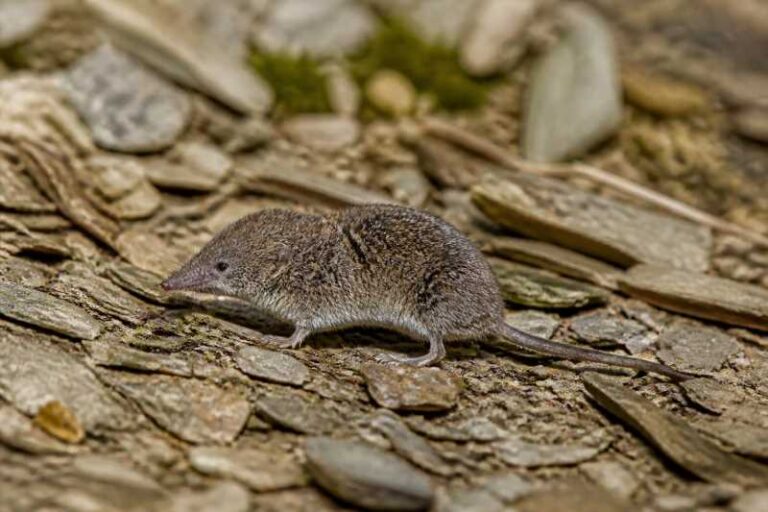
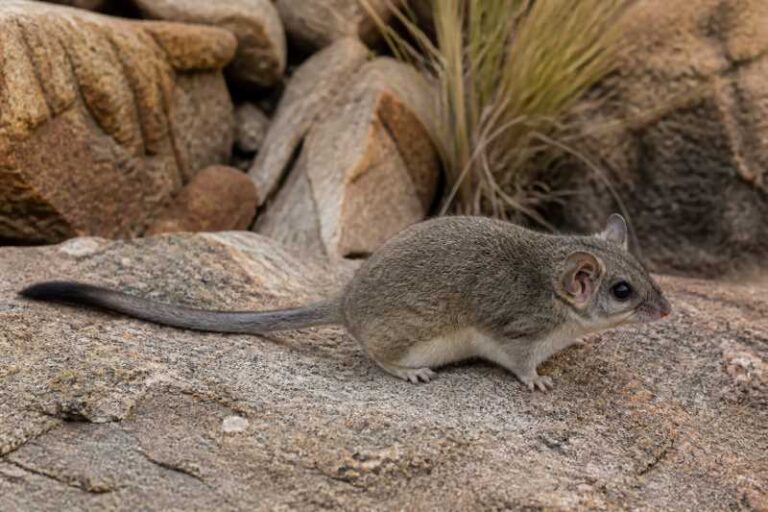
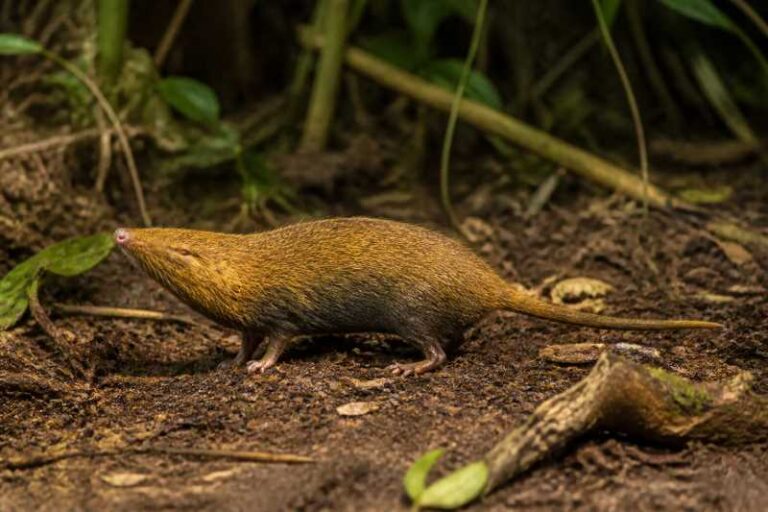
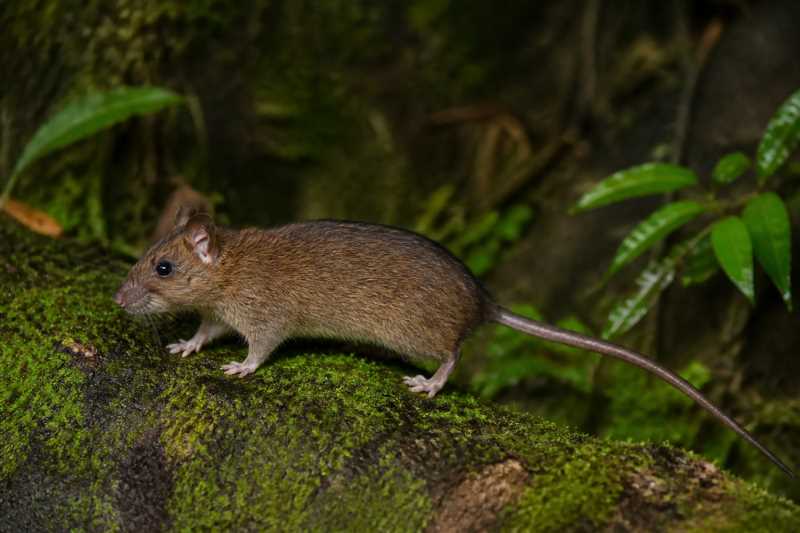
The Mindoro Mountain Rat is a small rodent characterized by its distinctive physical features. Adults typically measure between 18 to 22 centimeters in body length, with an additional tail length of approximately 15 to 20 centimeters. The fur of the Mindoro Mountain Rat is generally soft and dense, providing insulation against the cooler mountain temperatures. The dorsal side is usually a dark brown or gray, while the ventral side is lighter, often a pale gray or white. This coloration provides effective camouflage against the forest floor.
Their eyes are relatively large, adapted for low-light conditions typical of their dense forest habitat. The ears are rounded and covered in a fine layer of fur, aiding in sound detection. Their whiskers are highly sensitive, helping them navigate through their environment. The feet are equipped with sharp claws, facilitating climbing and foraging in their rugged terrain.
Range and Habitat
The Mindoro Mountain Rat is endemic to the island of Mindoro in the Philippines. It primarily inhabits montane and mossy forests, typically at elevations ranging from 1,000 to 2,000 meters above sea level. These forests are characterized by high humidity, dense undergrowth, and a rich diversity of plant life.
The rugged terrain of Mindoro’s mountainous regions provides the ideal habitat for these rats, offering numerous hiding spots and abundant food resources. The Mindoro Mountain Rat is particularly associated with areas where bamboo and thick leaf litter are prevalent, as these provide both shelter and foraging opportunities.
Behavior and Diet
The Mindoro Mountain Rat is primarily nocturnal, spending most of the day hidden in burrows or nests made from leaves and other forest debris. Their nocturnal habits help them avoid numerous predators, including birds of prey and snakes.
Diet-wise, the Mindoro Mountain Rat is omnivorous. Its diet consists of fruits, seeds, small insects, and occasionally small vertebrates. This dietary versatility allows them to exploit a variety of food resources in their environment, which is crucial given the competition for food in their densely populated habitat.
Socially, these rats are generally solitary, with interactions primarily occurring during the breeding season. They communicate through a series of high-pitched vocalizations and scent markings. Reproduction usually results in litters of two to four young, with a gestation period of approximately 20 to 25 days.
Identification Tips (Field Recognition Cues)
Identifying the Mindoro Mountain Rat in the field can be challenging due to its elusive nature and the dense habitats it occupies. However, there are several cues that can aid in its identification:
- Size and Shape: Look for a small rodent with a robust body and a long tail.
- Coloration: Note the dark brown or gray dorsal fur with a contrasting lighter belly.
- Habitat: Focus searches in montane and mossy forests at higher elevations.
- Behavior: Observe nocturnal activity patterns and listen for high-pitched vocalizations.
Field researchers often rely on traps and camera surveys to confirm the presence of these rats, as direct sightings are rare.
Conservation Status (with Threats and Protections)
The Mindoro Mountain Rat is currently classified as "Data Deficient" by the International Union for Conservation of Nature (IUCN). This classification indicates that there is insufficient information available to make a direct assessment of its risk of extinction.
Several threats jeopardize the survival of the Mindoro Mountain Rat. Habitat destruction due to logging and agricultural expansion is a significant concern. Additionally, invasive species, such as domestic cats and rats, pose a threat by preying on native populations and competing for resources.
Conservation efforts are crucial for the protection of this species. Initiatives include habitat preservation and restoration, as well as research to better understand the rat’s ecology and population dynamics. Local and international conservation organizations are working towards establishing protected areas and promoting sustainable land-use practices on Mindoro.
Frequently Asked Questions
1. What is the primary habitat of the Mindoro Mountain Rat?
The Mindoro Mountain Rat primarily inhabits montane and mossy forests on the island of Mindoro, usually at elevations of 1,000 to 2,000 meters.
2. What does the Mindoro Mountain Rat eat?
This species is omnivorous, with a diet consisting of fruits, seeds, small insects, and occasionally small vertebrates.
3. Why is the Mindoro Mountain Rat considered "Data Deficient"?
The "Data Deficient" status is due to a lack of comprehensive data on the population size, trends, and threats, making it difficult to assess its extinction risk.
4. How can the Mindoro Mountain Rat be identified in the wild?
Key identification features include its small size, dark brown or gray dorsal fur, lighter belly, and presence in montane forests. Nocturnal behavior and high-pitched vocalizations are also indicative.
5. What are the main threats to the Mindoro Mountain Rat?
The main threats include habitat destruction due to logging and agriculture, as well as predation and competition from invasive species.
Related posts