Introduction
Heller’s Vlei Rat, scientifically known as Otomys helleri, is a small rodent species that belongs to the Muridae family. This intriguing mammal is primarily found in East Africa, where it inhabits a variety of ecosystems. Known for its unique adaptations and behaviors, Heller’s Vlei Rat plays a crucial role in its natural habitat. In this article, we delve into the physical characteristics, habitat preferences, and ecological significance of this fascinating species, as well as its conservation status and the challenges it faces.
Physical Description
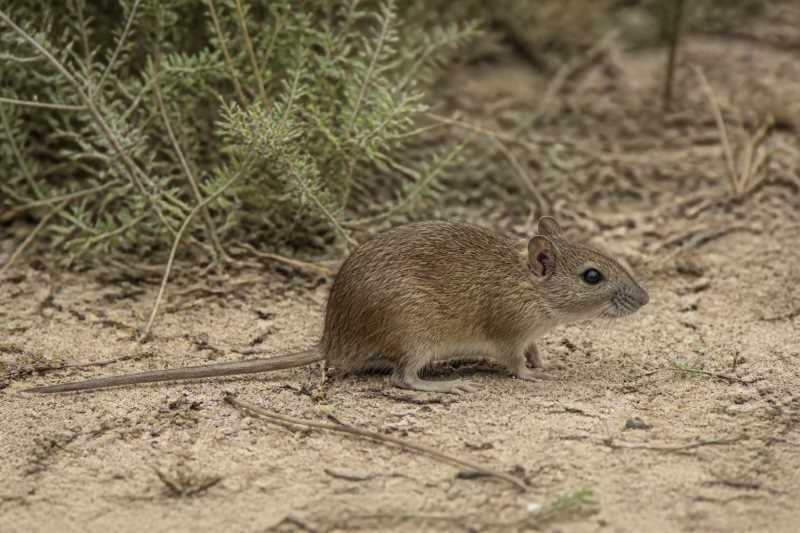
Heller’s Vlei Rat is a medium-sized rodent with a robust body structure. It typically measures between 15 to 20 centimeters in length, excluding its tail, which is relatively short and measures about 8 to 10 centimeters. The species exhibits sexual dimorphism, with males generally being larger than females.
The fur of the Heller’s Vlei Rat is dense and soft, providing insulation against the cool temperatures of its montane habitat. The dorsal fur is usually a mix of gray and brown, providing excellent camouflage among the grasses and shrubs it inhabits. The ventral side is lighter, often a pale gray or creamy color. Its ears are small and rounded, while its eyes are relatively large, an adaptation that aids in nocturnal activities.
One of the distinguishing features of Otomys helleri is its strong, chisel-like incisors, which are essential for gnawing through tough vegetation. The dental formula of this species is also adapted for a herbivorous diet, with molars that are efficient at grinding plant material.
Range and Habitat
Heller’s Vlei Rat is endemic to the high-altitude regions of East Africa. Its range primarily includes countries such as Kenya and Uganda, where it is found in montane grasslands, heathlands, and moorlands. The species is particularly associated with the Afro-alpine and subalpine zones, typically at elevations between 2,000 to 4,300 meters above sea level.
The preferred habitat of Otomys helleri consists of dense grass and shrub cover, which provides both food and protection from predators. These environments also offer a relatively stable climate, with moderate temperatures and consistent precipitation that support the growth of the vegetation on which the species relies.
Behavior and Diet
Heller’s Vlei Rat is primarily a nocturnal and crepuscular species, meaning it is most active during the night and twilight hours. This behavior helps it avoid many diurnal predators. It is a solitary animal, with individuals typically occupying and defending their own territories.
The diet of Otomys helleri is predominantly herbivorous, consisting mainly of grasses, leaves, and stems. Its strong incisors and specialized molars are adapted for processing fibrous plant materials. The species is also known to feed on seeds and occasionally small invertebrates, which provide additional nutrients.
Heller’s Vlei Rats are adept at burrowing, a behavior that serves several purposes, including escaping predators, regulating body temperature, and creating storage for food. Burrows are typically located in areas with dense vegetation, which offers additional cover.
Identification Tips (Field Recognition Cues)
Identifying Heller’s Vlei Rat in the field can be challenging due to its elusive nature and the similarity to other rodent species in its range. However, there are several key features that can aid in recognition:
- Size and Shape: Look for a medium-sized rodent with a robust body and a relatively short tail compared to its body length.
- Fur Coloration: Notice the dense, soft fur with a gray-brown dorsal side and a lighter ventral side.
- Behavior: Observe the activity patterns, as Otomys helleri is primarily nocturnal and crepuscular.
- Habitat: Focus on montane grasslands and moorlands at high elevations, where this species is most likely to be found.
- Burrowing Signs: Look for burrows in areas with dense vegetation, which are indicative of this species’ presence.
Conservation Status (With Threats and Protections)
The conservation status of Heller’s Vlei Rat is currently listed as Least Concern by the International Union for Conservation of Nature (IUCN). Despite this classification, the species faces several threats that could impact its population in the future.
Threats
- Habitat Loss: Agricultural expansion, deforestation, and human settlement are leading to habitat fragmentation and degradation in the species’ range.
- Climate Change: Alterations in temperature and precipitation patterns could impact the montane ecosystems that Otomys helleri depends on.
- Predation: Natural predators, including birds of prey and carnivorous mammals, pose a constant threat to this small rodent.
Protections
Conservation efforts for Heller’s Vlei Rat include:
- Protected Areas: Many populations are found within national parks and reserves, which offer some protection from habitat destruction.
- Research and Monitoring: Ongoing studies aim to better understand the species’ ecology and the impacts of environmental changes.
- Community Engagement: Local communities are encouraged to participate in conservation efforts through education and sustainable land-use practices.
Frequently Asked Questions
What is the typical habitat of Heller’s Vlei Rat?
Heller’s Vlei Rat typically inhabits montane grasslands, heathlands, and moorlands in high-altitude regions of East Africa, particularly in Kenya and Uganda.
How does Heller’s Vlei Rat adapt to its environment?
Heller’s Vlei Rat has dense fur for insulation, strong incisors for gnawing vegetation, and burrowing behavior to escape predators and regulate temperature.
Is Heller’s Vlei Rat endangered?
Currently, Heller’s Vlei Rat is classified as Least Concern by the IUCN, but it faces threats such as habitat loss and climate change that could affect its status.
What does Heller’s Vlei Rat eat?
The diet of Heller’s Vlei Rat primarily consists of grasses, leaves, and stems, supplemented by seeds and occasionally small invertebrates.
How can I identify Heller’s Vlei Rat in the field?
Look for a medium-sized rodent with a robust body, short tail, gray-brown fur, and burrows in montane grasslands at high elevations.
Related posts