Introduction
The Ancash Leaf-eared Mouse, scientifically known as Phyllotis definitus, is a fascinating mammal species endemic to the Andes of Peru. This species is part of the rodent family, which is known for its adaptive traits and ecological significance. The Ancash Leaf-eared Mouse holds particular interest for researchers and wildlife enthusiasts alike due to its unique adaptations to high-altitude environments. This article delves into the various aspects of this intriguing mammal, including its physical characteristics, habitat preferences, behavior, and conservation status.
Physical Description
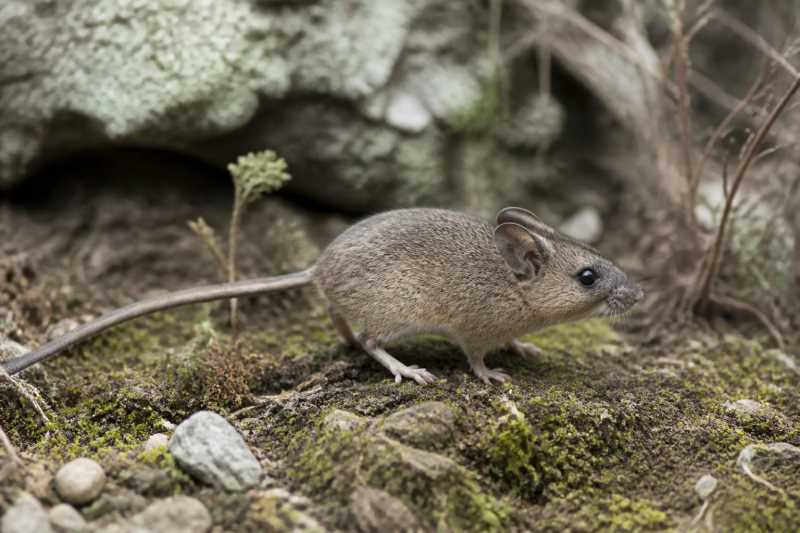
The Ancash Leaf-eared Mouse is characterized by its distinct physical features, which aid in its survival in the rugged Andean terrain. Adults typically measure between 100 to 120 millimeters in body length, with a tail length that is approximately the same or slightly longer. This species exhibits a dense, soft fur coat, primarily grayish-brown on the dorsal side, transitioning to a lighter, whitish hue on the ventral side. The ears are notably large and leaf-shaped, a characteristic trait that not only defines its name but also plays a crucial role in thermoregulation. The whiskers are long and sensitive, aiding in navigation and foraging activities.
Range and Habitat
The Ancash Leaf-eared Mouse is predominantly found in the high-altitude regions of the Ancash Department in Peru. Its habitat range extends throughout the puna grasslands and rocky outcrops of the central Andes, typically at elevations ranging from 3,000 to 4,500 meters above sea level. This species has adapted to the harsh climatic conditions of these high-altitude environments, where temperatures can fluctuate dramatically between day and night. The Ancash Leaf-eared Mouse often inhabits areas with abundant ground cover, which provides essential protection from predators and harsh weather conditions.
Behavior and Diet
The behavior of the Ancash Leaf-eared Mouse is adapted to the demanding conditions of its high-altitude habitat. It is primarily nocturnal, which helps avoid daytime predators and extreme temperatures. This rodent is also known for its solitary nature, although it may occasionally be spotted in small groups during the breeding season. Its diet mainly consists of seeds, grasses, and small invertebrates, reflecting its omnivorous tendencies. The Ancash Leaf-eared Mouse plays a significant role in its ecosystem by aiding in seed dispersion and contributing to the food web as prey for larger predators.
Identification Tips (field recognition cues)
Identifying the Ancash Leaf-eared Mouse in the field requires attention to a few distinct features:
- Ears: Large, leaf-shaped ears that are prominent against its small head.
- Fur: Dense and soft, with a grayish-brown dorsal side and a lighter, whitish ventral side.
- Size: Body length of approximately 100 to 120 mm, with a tail of similar length.
- Behavior: Nocturnal activity patterns and solitary behavior.
These characteristics, combined with the mouse’s high-altitude habitat, can aid researchers and enthusiasts in distinguishing it from other rodent species in the Andes.
Conservation Status (with threats and protections)
Currently, the Ancash Leaf-eared Mouse is listed as Least Concern on the IUCN Red List. However, its population faces several threats that could impact its conservation status in the future. Habitat degradation due to agricultural expansion, mining activities, and climate change poses significant risks. These factors lead to habitat fragmentation and loss, which can threaten the survival of this species by limiting its available resources and reducing genetic diversity.
Conservation efforts are crucial in protecting the Ancash Leaf-eared Mouse and its habitat. Local and international conservation organizations are working towards sustainable land management practices and raising awareness about the ecological significance of high-altitude ecosystems. Protected areas and wildlife reserves also play a vital role in safeguarding the natural habitats of this and other endemic species.
Frequently Asked Questions
What is the habitat range of the Ancash Leaf-eared Mouse?
The Ancash Leaf-eared Mouse is found in the high-altitude regions of the Ancash Department in Peru, primarily inhabiting puna grasslands and rocky outcrops at elevations of 3,000 to 4,500 meters.
How can I identify an Ancash Leaf-eared Mouse?
Key identification features include its large, leaf-shaped ears, grayish-brown fur with a lighter underside, and nocturnal behavior. It measures about 100-120 mm in body length, with a tail of similar length.
What are the main threats to the Ancash Leaf-eared Mouse?
The primary threats include habitat degradation due to agricultural expansion, mining, and climate change, leading to habitat fragmentation and loss.
Is the Ancash Leaf-eared Mouse endangered?
Currently, the Ancash Leaf-eared Mouse is listed as Least Concern on the IUCN Red List, but ongoing threats could change its conservation status if not addressed.
What is the diet of the Ancash Leaf-eared Mouse?
This species is omnivorous, feeding on seeds, grasses, and small invertebrates, which helps in seed dispersion and maintaining the ecological balance.
Related posts