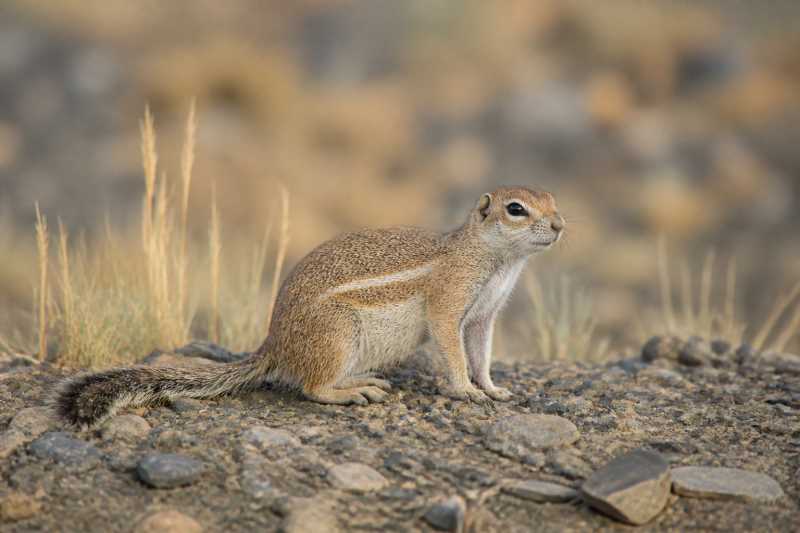
Selevin’s Ground Squirrel (Spermophilus selevini)
Introduction
Selevin’s Ground Squirrel, scientifically known as Spermophilus selevini, is a fascinating mammal species native to specific regions of Central Asia. This lesser-known ground squirrel plays a crucial role in its ecosystem, contributing to soil aeration and serving as prey for larger predators. Despite their significance, these squirrels have received limited attention in scientific studies, making them an intriguing subject for wildlife enthusiasts and researchers alike.
Physical Description
Selevin’s Ground Squirrel is characterized by its medium-sized, robust body, which measures approximately 20 to 25 centimeters in length, with an additional tail length of about 5 to 8 centimeters. The fur of this ground squirrel is typically a mixture of gray and brown tones, providing excellent camouflage against the arid and rocky terrains it inhabits. The underbelly is often lighter, with shades of off-white or pale yellow.
Their small, rounded ears and prominent black eyes are adapted to their environment, allowing them to detect predators and communicate with conspecifics effectively. The forelimbs are equipped with sharp claws, essential for digging intricate burrow systems and foraging for food.
Range and Habitat
Selevin’s Ground Squirrel is primarily found in the desert and semi-desert regions of Kazakhstan, Uzbekistan, and Turkmenistan. Their preferred habitats include open steppes, rocky outcrops, and arid plains, where vegetation is sparse but sufficient for their dietary needs.
These ground squirrels typically establish their colonies in areas with loose, sandy soil, which facilitates the construction of their extensive burrow systems. These burrows not only provide shelter from extreme temperatures and predators but also serve as storage areas for food.
Behavior and Diet
As diurnal creatures, Selevin’s Ground Squirrels are most active during the early morning and late afternoon, avoiding the harsh midday sun. They are social animals, often living in colonies that can consist of dozens of individuals. Communication within these colonies is vital, with a repertoire of vocalizations and body language used to convey alarm, mating intentions, and social status.
Their diet primarily consists of seeds, grasses, and other plant materials. However, they are opportunistic feeders and will also consume insects and small vertebrates when available. This varied diet helps them adapt to the fluctuating availability of resources in their arid environment.
Identification Tips
To identify Selevin’s Ground Squirrel in the wild, look for the following characteristics:
- Size and Shape: Medium-sized body with a relatively short tail.
- Fur Coloration: A blend of gray and brown, with a lighter underbelly.
- Habitats: Look for them in open steppes and rocky areas within their range.
- Behavior: Active during cooler parts of the day, often seen foraging or socializing with colony members.
Conservation Status
Selevin’s Ground Squirrel is currently listed as a species of Least Concern by the IUCN. However, their populations face threats from habitat loss due to agricultural expansion and infrastructure development. Additionally, climate change poses a long-term threat by altering their habitat’s ecological balance.
Conservation efforts focus on habitat protection and monitoring population trends to ensure their continued survival. Protected areas and nature reserves within their range provide some refuge from anthropogenic pressures.
Frequently Asked Questions
1. What do Selevin’s Ground Squirrels eat?
Selevin’s Ground Squirrels primarily consume seeds, grasses, and plant materials. They are also known to eat insects and small vertebrates, depending on availability.
2. Where can Selevin’s Ground Squirrels be found?
They are found in the desert and semi-desert regions of Kazakhstan, Uzbekistan, and Turkmenistan, primarily inhabiting open steppes and rocky outcrops.
3. Are Selevin’s Ground Squirrels endangered?
No, they are currently listed as Least Concern, but they face threats from habitat loss and climate change.
4. How do Selevin’s Ground Squirrels communicate?
They use a combination of vocalizations and body language to communicate within their colonies, conveying information about threats, mating, and social interactions.
5. What is the typical lifespan of a Selevin’s Ground Squirrel?
In the wild, these squirrels can live up to 3 to 5 years, depending on environmental conditions and predation pressures.
Related posts