Introduction
The Antillean Cave Rat, scientifically known as Heteropsomys antillensis, is an extinct species of rodent that once inhabited the Caribbean islands. Known for its unique adaptation to cave environments, this species has captured the interest of researchers and historians alike. Despite its extinction, the Antillean Cave Rat remains a subject of study for understanding island ecology and the impacts of human activities on native wildlife.
Physical Description
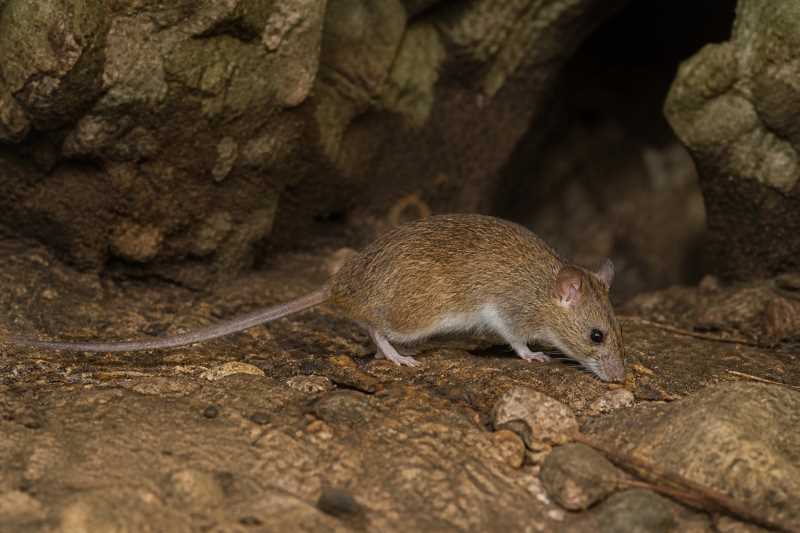
The Antillean Cave Rat was a medium-sized rodent, characterized by a robust body and a relatively short tail. It had a stocky build with strong limbs adapted for life in rocky terrains and caves. Its fur was dense, aiding in camouflage within its cave habitat. The coloration was typically a mix of brown and grey, providing excellent concealment against the background of cave interiors. The rat’s incisors were well-developed, suitable for gnawing through tough vegetation and possibly even small invertebrates.
Range and Habitat
Historically, the Antillean Cave Rat was endemic to the Caribbean islands, particularly within the Greater Antilles. It primarily inhabited limestone caves, which offered protection from predators and harsh weather conditions. These caves provided a stable microclimate that was essential for the cave rat’s survival. The surrounding areas of these caves were typically lush with vegetation, providing ample food resources. However, the exact range of this species is still a topic of ongoing research due to the lack of comprehensive historical records.
Behavior and Diet
The Antillean Cave Rat was likely nocturnal, emerging from its cave dwellings at night to forage. Its diet consisted mainly of plant material, including seeds, fruits, and leaves. There is also evidence to suggest that it might have consumed small invertebrates, contributing to its omnivorous diet. Social behavior of the Antillean Cave Rat remains largely speculative, but it is assumed that they lived in small family groups, given their reliance on communal nesting in cave environments.
Identification Tips (Field Recognition Cues)
Although the Antillean Cave Rat is extinct, understanding its identification cues can assist in recognizing similar species or studying fossilized remains. Key identification features include:
- Robust Build: Look for skeletal remains that indicate a stocky body and strong limb bones.
- Dental Structure: Incisors likely to show wear from gnawing.
- Fur Remnants: In rare cases, fossilized fur might indicate a dense, brown-grey coloration.
- Cave Habitats: Found primarily in limestone caves, so location can be a significant cue.
Conservation Status (with Threats and Protections)
The Antillean Cave Rat is classified as extinct. The primary causes of extinction include habitat destruction due to human expansion and introduced predators such as cats and dogs. Deforestation and agricultural development significantly reduced the natural habitats available to the species. Efforts to conserve similar species involve habitat restoration and legal protection against hunting and habitat encroachment. Understanding the extinction of the Antillean Cave Rat can help in crafting conservation strategies for other threatened island species.
Frequently Asked Questions
1. What did the Antillean Cave Rat eat? The Antillean Cave Rat’s diet primarily consisted of plant material, including seeds, fruits, and leaves, with a possibility of consuming small invertebrates.
2. Where was the Antillean Cave Rat found? This species was endemic to the Caribbean islands, notably within the Greater Antilles, and primarily inhabited limestone caves.
3. Why did the Antillean Cave Rat go extinct? The extinction was due to habitat destruction from human activities and the introduction of non-native predators like cats and dogs.
4. How can we prevent similar species from becoming extinct? Conservation efforts such as habitat restoration, legal protection, and education on the impacts of introduced species are vital in preventing similar extinctions.
5. Are there similar species to the Antillean Cave Rat? While the Antillean Cave Rat is unique, similar extinct species in the region share common traits and face similar threats.
Related posts