Steinbach’s Tuco-tuco: A Comprehensive Overview
Introduction
Steinbach’s Tuco-tuco, scientifically known as Ctenomys steinbachi, is a fascinating rodent species indigenous to South America. This burrowing mammal, part of the Ctenomyidae family, is recognized for its unique adaptations to subterranean life. Although not as well-known as other rodents, Steinbach’s Tuco-tuco plays a vital role in its ecosystem, contributing to soil aeration and seed dispersal. This article delves into various aspects of this intriguing species, including its physical characteristics, habitat, behavior, and conservation status.
Physical Description
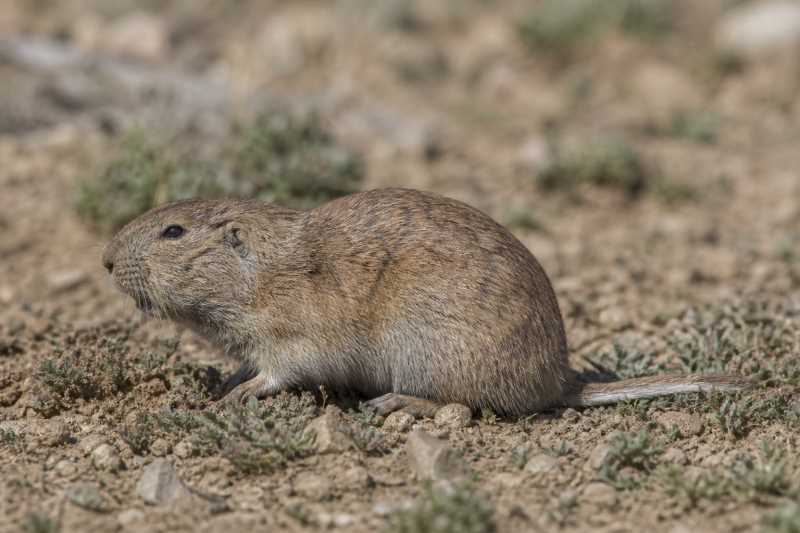
Steinbach’s Tuco-tuco is a medium-sized rodent, typically measuring between 20 to 25 centimeters in length, with a short tail adding an additional 7 to 10 centimeters. The average weight ranges from 200 to 400 grams, with males generally larger than females.
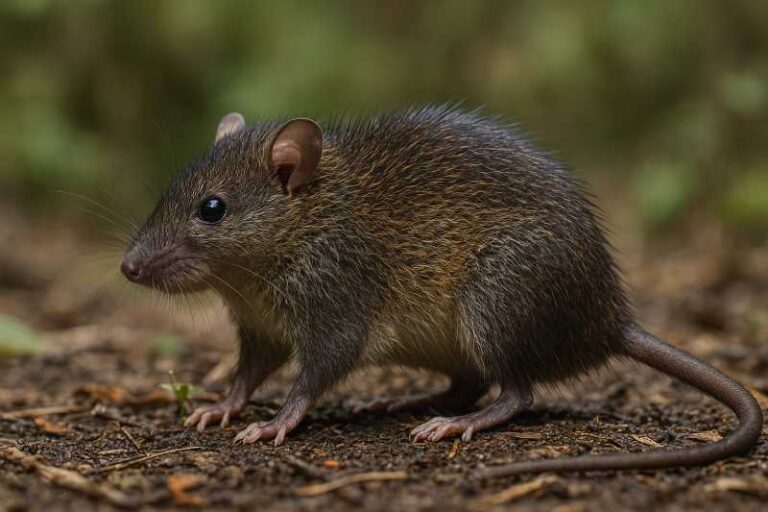
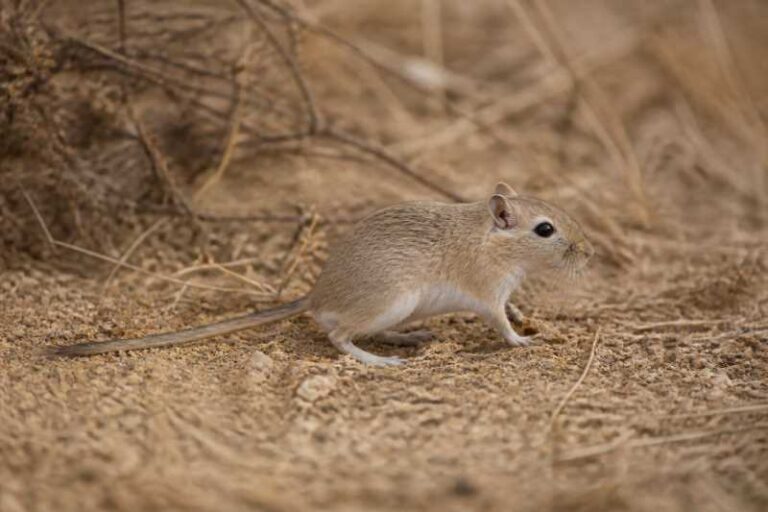
The fur of Steinbach’s Tuco-tuco is dense and soft, providing insulation against the cold subterranean environment. Their coloration varies from light brown to dark gray, with a slightly lighter underbelly. This coloration serves as effective camouflage against the soil and vegetation of their natural habitat.
One of the most distinctive features of Steinbach’s Tuco-tuco is its large, chisel-shaped incisors, which are crucial for digging and gnawing. These teeth are continuously growing, a common trait among rodents, and are kept in check by the constant wear from burrowing and feeding. The forelimbs are robust and equipped with strong claws, further aiding in excavation activities.
Range and Habitat
Steinbach’s Tuco-tuco is endemic to specific regions in South America, particularly in Bolivia. The species is primarily found in the Bolivian lowlands, where it inhabits a variety of terrains, including grasslands, savannas, and agricultural fields.
These rodents prefer well-drained, sandy soils that facilitate their digging habits. They construct extensive burrow systems that can reach depths of up to 1.5 meters. These burrows serve multiple purposes, including protection from predators, temperature regulation, and a safe space for raising their young.
Behavior and Diet
Steinbach’s Tuco-tuco is predominantly solitary and territorial, with individuals maintaining and defending their own burrow systems. They are primarily active during the day (diurnal), though some nocturnal activity has been observed.
The diet of Steinbach’s Tuco-tuco is herbivorous, consisting mainly of roots, tubers, and grasses. They have a particular preference for underground plant parts, which they access through their burrowing activities. Their feeding habits play a crucial role in the ecosystem by influencing vegetation patterns and contributing to soil fertility.
Communication among these rodents is primarily through vocalizations, which include a series of grunts and squeaks. These sounds are used to establish territory and ward off potential intruders.
Identification Tips (Field Recognition Cues)
Identifying Steinbach’s Tuco-tuco in the field can be challenging due to its subterranean lifestyle. However, there are several cues that can aid in recognition:
- Burrow Entrances: Look for circular burrow entrances with freshly excavated soil around them.
- Vocalizations: Listen for distinctive vocalizations, especially during the early morning or late afternoon.
- Tracks: Observe the ground for small, clawed footprints near burrow entrances.
- Fur Coloration: Note the light brown to dark gray fur, which can occasionally be seen when individuals emerge from their burrows.
Conservation Status (With Threats and Protections)
Currently, Steinbach’s Tuco-tuco is listed as a species of "Least Concern" by the International Union for Conservation of Nature (IUCN). However, this status does not imply immunity from threats. Habitat destruction due to agricultural expansion and urbanization poses significant risks to their populations. Additionally, the use of pesticides and other chemicals in agriculture can have detrimental effects on their health and survival.
Conservation efforts focus on habitat preservation and promoting sustainable agricultural practices. Protected areas in Bolivia provide some refuge for the species, but ongoing monitoring and research are essential to ensure their long-term survival.
Frequently Asked Questions
1. What adaptations help Steinbach’s Tuco-tuco survive underground?
Steinbach’s Tuco-tuco has several adaptations for subterranean living, including strong forelimbs and claws for digging, chisel-shaped incisors for gnawing, and dense fur for insulation against the cold underground environment.
2. How does Steinbach’s Tuco-tuco contribute to its ecosystem?
This species plays a vital ecological role by aerating the soil through its digging activities, which enhances soil fertility and promotes plant growth. Additionally, their feeding habits help in seed dispersal and vegetation management.
3. What are the main threats to Steinbach’s Tuco-tuco?
The primary threats include habitat destruction due to agricultural expansion and urban development, as well as the use of pesticides that can harm their populations.
4. How can you identify a Steinbach’s Tuco-tuco in the wild?
Look for characteristic burrow entrances with fresh soil mounds, listen for vocalizations, and observe for tracks or occasional sightings of their distinctive fur coloration near burrow openings.
5. Why is Steinbach’s Tuco-tuco important for biodiversity?
As a keystone species, Steinbach’s Tuco-tuco supports biodiversity by maintaining soil health, influencing vegetation dynamics, and providing prey for predators within its ecosystem.
Related posts