Introduction
Flamarion’s Tuco-tuco, scientifically known as Ctenomys flamarioni, is a fascinating rodent species that belongs to the family Ctenomyidae. This elusive mammal, named after Brazilian geneticist Flamarion Barbosa dos Santos, is endemic to the sandy coastal regions of southern Brazil. Despite its limited range, Flamarion’s Tuco-tuco plays a significant ecological role in its habitat. This article delves into the various aspects of this intriguing creature, including its physical characteristics, habitat, behavior, and conservation status.
Physical Description
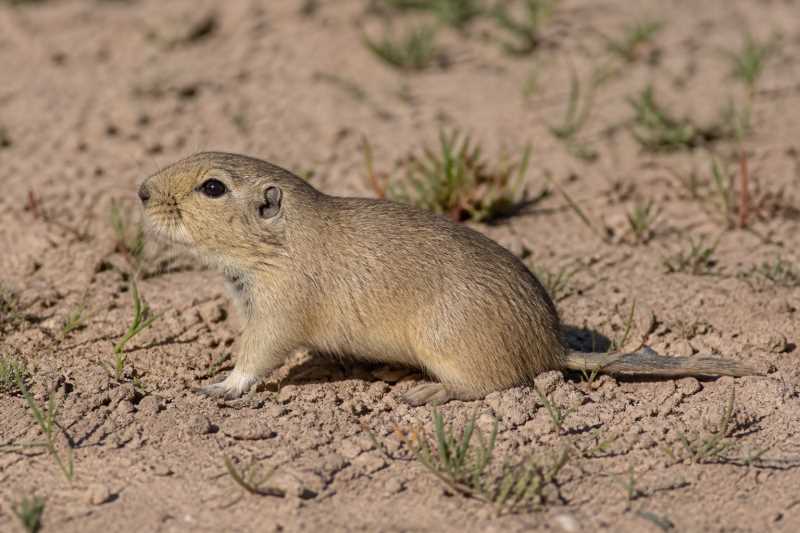
Flamarion’s Tuco-tuco is a medium-sized rodent characterized by its robust, cylindrical body and short limbs. Adults typically measure between 20 to 25 centimeters in length, with a tail that is relatively short compared to their body size, averaging around 6 to 8 centimeters. They weigh approximately 200 to 300 grams.
Their fur is dense and soft, predominantly brown or sandy in color, which provides excellent camouflage against the sandy environments they inhabit. The coloration may vary slightly depending on the specific locality, with some individuals exhibiting darker or lighter shades that blend with the surrounding soil. Their underbelly is usually lighter, often appearing whitish or pale gray.
Flamarion’s Tuco-tuco has small, rounded ears and large, prominent incisors that are adapted for digging. Their forelimbs are strong and equipped with sharp claws, essential tools for their fossorial lifestyle. The eyes are relatively small, reflecting their subterranean habits and reduced reliance on vision.
Range and Habitat
Flamarion’s Tuco-tuco is endemic to the sandy coastal plains of southern Brazil, particularly within the state of Rio Grande do Sul. Their range is highly restricted, and they primarily occupy sandy dunes and grasslands near the Atlantic coastline. This habitat provides the loose, sandy soil ideal for their burrowing activities.
These rodents are adapted to life underground, constructing elaborate burrow systems that serve as protection from predators and extreme weather conditions. Their burrows have multiple entrances and can extend several meters in length, providing a network of underground pathways for foraging and nesting.
The vegetation in their habitat typically includes grasses, herbs, and shrubs, which offer both food and cover. The presence of coastal dunes and sandy soils is crucial for their survival, making habitat preservation a key concern for conservation efforts.
Behavior and Diet
Flamarion’s Tuco-tuco is primarily solitary, with individuals maintaining separate burrow systems. They are known for their burrowing behavior, using their strong claws and incisors to excavate extensive tunnel networks. These burrows serve multiple purposes, including protection from predators, temperature regulation, and food storage.
Their diet consists mainly of plant material, including roots, tubers, and grasses. They are known to forage both above and below ground, and their feeding habits play a role in seed dispersal and soil aeration, contributing to the ecological health of their habitat.
Flamarion’s Tuco-tuco is most active during the cooler parts of the day, such as early morning and late afternoon, to avoid the heat of the midday sun. They communicate using a series of vocalizations and thumping sounds, which are believed to serve as territorial signals and mating calls.
Identification Tips (Field Recognition Cues)
Identifying Flamarion’s Tuco-tuco in the field can be challenging due to their subterranean lifestyle and cryptic coloration. However, several key characteristics can aid in their identification:
- Burrow Systems: Look for the presence of characteristic burrow openings in sandy soil. These entrances are often surrounded by small piles of excavated soil.
- Size and Fur Color: Note the size and coloration of any observed individuals. Their medium size and brown or sandy fur with a lighter underbelly are distinctive.
- Vocalizations: Listen for the unique vocalizations and thumping sounds they produce, especially during dawn and dusk when they are more active.
- Location: Given their restricted range, observations are most likely in the sandy coastal regions of southern Brazil, particularly in Rio Grande do Sul.
Conservation Status (With Threats and Protections)
Flamarion’s Tuco-tuco is currently classified as "Vulnerable" on the IUCN Red List of Threatened Species. Their limited range and specialized habitat make them particularly susceptible to environmental changes and human activities.
Threats
- Habitat Loss: Coastal development and agriculture pose significant threats to their sandy dune habitats, leading to habitat fragmentation and loss.
- Climate Change: Changes in climate can alter the structure of their habitat, affecting the availability of food and suitable burrowing conditions.
- Predation: Natural predators include birds of prey and carnivorous mammals, which are a constant threat to their survival.
Protections
Conservation efforts focus on habitat preservation and restoration. Protected areas within their range aim to safeguard critical habitats, while environmental regulations limit development and agricultural expansion in sensitive regions. Research and monitoring programs are essential for understanding population dynamics and informing conservation strategies.
Frequently Asked Questions
What is the lifespan of Flamarion’s Tuco-tuco?
Flamarion’s Tuco-tuco typically lives for approximately 2 to 4 years in the wild. Their lifespan is influenced by factors such as predation, habitat quality, and environmental conditions.
How do Flamarion’s Tuco-tucos communicate?
These rodents communicate through vocalizations and physical signals like thumping. Vocalizations can include a range of sounds used for territorial defense and attracting mates.
Are Flamarion’s Tuco-tucos endangered?
Flamarion’s Tuco-tuco is classified as "Vulnerable" due to habitat loss and other threats. Conservation efforts are crucial to prevent further decline.
What do Flamarion’s Tuco-tucos eat?
Their diet primarily consists of plant material, including roots, tubers, and grasses. They are known to forage both above and below ground.
How can I help conserve Flamarion’s Tuco-tuco?
Supporting conservation organizations and advocating for habitat protection are effective ways to contribute to the conservation of Flamarion’s Tuco-tuco.
Related posts