Introduction
The Northern Yellow-cheeked Crested Gibbon (Nomascus annamensis) is a captivating primate species that resides in the lush forests of Southeast Asia. Known for their melodic morning calls and striking coloration, these gibbons play a crucial role in maintaining the ecological balance of their habitats. Despite their importance, they face numerous threats that have led to concerns about their conservation status. This article delves into the various aspects of the Northern Yellow-cheeked Crested Gibbon, including their physical characteristics, habitat, behavior, and the challenges they face in the wild.
Physical Description
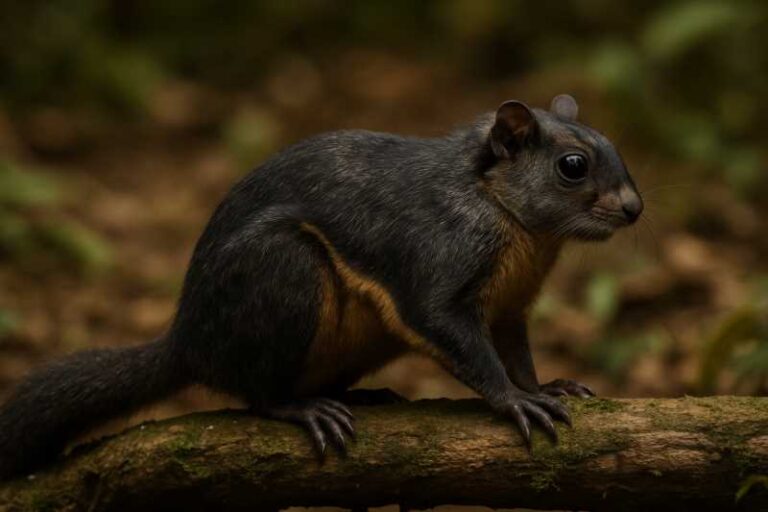
The Northern Yellow-cheeked Crested Gibbon is a visually striking species known for its distinctive coloration and agile movements. Adult males are characterized by their black fur and contrasting bright yellow or orange cheeks, a feature that gives the species its common name. In contrast, adult females and juveniles are typically a lighter brown or buff color, with less pronounced cheek coloration. Both sexes possess long, muscular arms adapted for brachiation, the swinging motion used to navigate the forest canopy.
These gibbons are relatively small in size, with adults weighing between 6 to 10 kilograms and measuring about 50 to 60 centimeters in length. Their body structure is perfectly adapted for life in the trees, with a lightweight frame, long fingers, and a reduced thumb that aids in their arboreal lifestyle.
Range and Habitat
The Northern Yellow-cheeked Crested Gibbon is primarily found in the dense, evergreen, and semi-evergreen forests of Vietnam, Laos, and Cambodia. Their range extends across the Annamite Mountains, a region known for its rich biodiversity and unique species.
These gibbons are arboreal and prefer living in the upper canopy of tall forests, where they find safety from ground predators and access to abundant food resources. The dense foliage provides ample opportunities for brachiation, allowing them to travel efficiently through their territory. Unfortunately, this preference for high, continuous canopies makes them particularly vulnerable to deforestation and habitat fragmentation.
Behavior and Diet
Northern Yellow-cheeked Crested Gibbons are social animals that live in small, cohesive family groups typically consisting of a mated pair and their offspring. These groups maintain a territory which they defend through vocalizations and occasional physical confrontations.
Their diet primarily consists of fruits, which provide the necessary nutrients and energy for their active lifestyle. They also consume leaves, flowers, and insects, which supplement their diet and ensure a balanced intake of vitamins and minerals. The gibbons’ preference for ripe fruits makes them important seed dispersers, contributing to forest regeneration and biodiversity.
The species is known for its distinct vocalizations, which serve multiple purposes including territory defense, mate attraction, and group cohesion. These calls can be heard over long distances and are a key feature of their morning routine.
Identification Tips (field recognition cues)
Identifying the Northern Yellow-cheeked Crested Gibbon in the wild can be challenging due to their elusive nature and arboreal habitat. However, certain field recognition cues can aid in their identification:
- Vocalizations: Listen for their distinctive, melodic morning calls, which are a reliable indicator of their presence in an area.
- Coloration: Look for the contrasting yellow or orange cheek patches on males, and the lighter buff coloration of females.
- Movement: Observe their unique brachiation movements, which involve swinging through the trees using their long arms.
- Habitat: Focus on areas with tall, dense forest canopies, as this is their preferred habitat.
Conservation Status (with threats and protections)
The Northern Yellow-cheeked Crested Gibbon is classified as Endangered on the IUCN Red List. The primary threats to their survival include habitat loss due to logging, agriculture, and infrastructure development. Additionally, illegal hunting and the pet trade pose significant risks to their populations.
Conservation efforts are underway to protect these gibbons, including the establishment of protected areas and wildlife reserves in their native range. Organizations are also working on habitat restoration projects and community education programs to reduce hunting and promote sustainable land-use practices.
International cooperation and enforcement of wildlife protection laws are essential to the long-term survival of the Northern Yellow-cheeked Crested Gibbon. Increased research and monitoring efforts are also crucial to better understand their ecology and inform conservation strategies.
Frequently Asked Questions
1. What is the typical lifespan of a Northern Yellow-cheeked Crested Gibbon?
Northern Yellow-cheeked Crested Gibbons can live up to 30 years in the wild, though their lifespan can be shorter due to threats such as habitat loss and hunting. In captivity, with proper care, they may live slightly longer.
2. How do Northern Yellow-cheeked Crested Gibbons communicate?
These gibbons communicate primarily through vocalizations, which include complex songs used for territory defense and mate attraction. They also use body language and grooming as forms of social interaction within their groups.
3. Are Northern Yellow-cheeked Crested Gibbons monogamous?
Yes, they typically form monogamous pairs that mate for life. This social structure helps maintain stable family groups and is beneficial for raising offspring in their challenging arboreal environment.
4. What efforts are being made to conserve Northern Yellow-cheeked Crested Gibbons?
Conservation efforts include habitat protection through the creation of reserves, anti-poaching measures, and community education programs aimed at reducing hunting and promoting sustainable practices.
5. Where can I see Northern Yellow-cheeked Crested Gibbons in the wild?
They can be seen in the protected areas of Vietnam, Laos, and Cambodia, where conservation efforts are focused on preserving their natural habitat. Guided eco-tours are available in some regions, providing opportunities to observe these gibbons in their natural environment.
Related posts