Introduction
The Sheath-tailed Mouse (Mus fragilicauda) is an intriguing small mammal species known for its unique physical characteristics and ecological significance. This article aims to provide a comprehensive overview of this elusive creature, including its morphology, natural habitat, behaviors, and conservation concerns. Despite its lesser-known status, the Sheath-tailed Mouse plays a vital role in its ecosystem, contributing to biodiversity and the health of its natural environment.
Physical Description
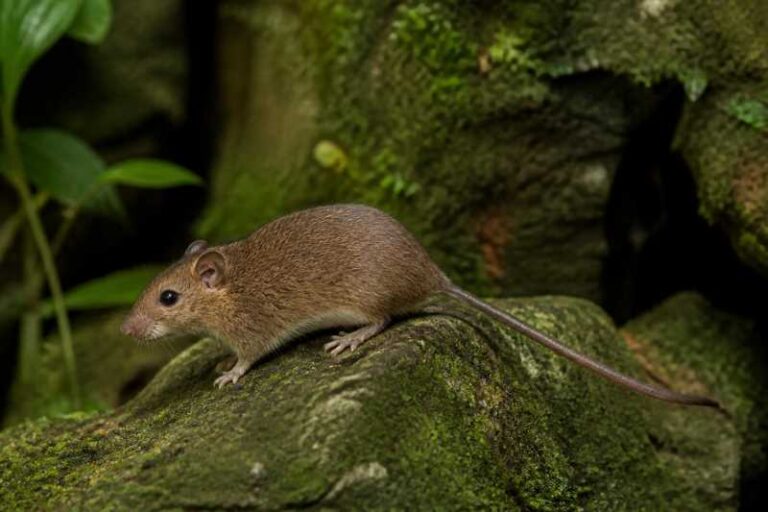
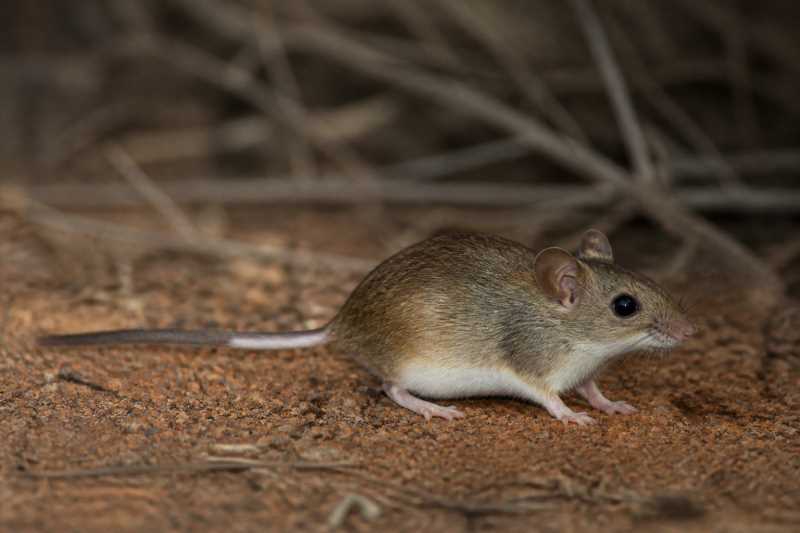
The Sheath-tailed Mouse is a small mammal with a distinctive appearance that sets it apart from other members of the Mus genus. It is characterized by its slender build and a tail that bears a sheath-like covering, from which it derives its name. The fur of the Sheath-tailed Mouse is typically a muted brown, providing effective camouflage in its natural habitat.
Adults typically measure about 7 to 9 centimeters in body length, excluding the tail, which can add another 5 to 7 centimeters. The tail itself is a notable feature, being slightly longer than the body and covered with fine, sparse hairs. The mouse has large, rounded ears and prominent black eyes, which are adaptations for its nocturnal lifestyle.
Range and Habitat
The Sheath-tailed Mouse is predominantly found in subtropical and tropical regions, where it inhabits a variety of environments ranging from dense forests to open grasslands. Its range extends across several countries in Southeast Asia, where it prefers areas that offer ample cover from predators and a steady supply of food.
These mice are highly adaptable and can thrive in both natural and disturbed habitats, including agricultural fields and plantations. Despite this adaptability, they are most commonly associated with regions that provide dense undergrowth and abundant foliage, which offer shelter and nesting sites.
Behavior and Diet
The Sheath-tailed Mouse is primarily nocturnal, venturing out at night to forage for food. Its diet consists mainly of seeds, fruits, and small insects, making it an omnivorous feeder. This diverse diet allows the mouse to adapt to varying food availability, which is crucial for its survival in different habitats.
In terms of behavior, the Sheath-tailed Mouse is known for its elusive nature. It is a solitary animal, except during the breeding season when males and females come together. During the day, these mice take refuge in nests constructed from leaves and grass, often located in burrows or hidden among dense vegetation.
Identification Tips (Field Recognition Cues)
Identifying the Sheath-tailed Mouse in the field can be challenging due to its nocturnal habits and elusive nature. However, certain characteristics can aid in its recognition:
- Size and Shape: Look for a small, slender-bodied mouse with a long tail that appears sheathed.
- Fur Color: Note the muted brown coloration of the fur, which helps it blend into its surroundings.
- Tail Structure: The tail is longer than the body and has a sparse covering of fine hairs.
- Ears and Eyes: The mouse has large, rounded ears and prominent black eyes, adapted for low-light conditions.
- Behavior: Observe nocturnal activity patterns, as these mice are most active at night.
Conservation Status (with Threats and Protections)
The conservation status of the Sheath-tailed Mouse is currently classified as Data Deficient by the International Union for Conservation of Nature (IUCN). This classification highlights the need for further research to determine population trends and potential threats.
Despite its adaptability, the Sheath-tailed Mouse faces several threats, primarily habitat loss due to deforestation and agricultural expansion. Additionally, climate change and the introduction of invasive species pose significant risks to its natural habitat and food sources.
Conservation efforts for the Sheath-tailed Mouse focus on habitat preservation and the establishment of protected areas to safeguard its natural environment. Research initiatives are also underway to gain a better understanding of its ecology and population dynamics.
Frequently Asked Questions
What is the habitat of the Sheath-tailed Mouse?
The Sheath-tailed Mouse inhabits subtropical and tropical regions, preferring dense forests and grasslands that offer ample cover and food resources.
How can you identify a Sheath-tailed Mouse in the wild?
Identification involves looking for a small, slender mouse with a long, sheathed tail, muted brown fur, large ears, and prominent black eyes.
What threats does the Sheath-tailed Mouse face?
Key threats include habitat loss due to deforestation, climate change, and the impact of invasive species on its natural environment.
Is the Sheath-tailed Mouse endangered?
The Sheath-tailed Mouse is classified as Data Deficient by the IUCN, indicating a need for further research to assess its conservation status accurately.
What does the Sheath-tailed Mouse eat?
Its diet consists of seeds, fruits, and small insects, making it an omnivorous feeder adapted to varying food availability.
Related posts