Introduction
The Mira Climbing Rat, scientifically known as Tylomys mirae, is a fascinating mammal species that captivates the interest of zoologists and nature enthusiasts alike. This elusive creature, residing primarily in the dense forests of Central America, is a member of the Tylomyinae subfamily within the Cricetidae family. Known for its unique adaptations to arboreal life, the Mira Climbing Rat is both a vital component of its ecosystem and a subject of intrigue for those studying mammalian biodiversity.
Despite its somewhat obscure reputation outside scientific circles, the Mira Climbing Rat plays an essential role in the ecological balance of its habitat. As human activities continue to impact natural environments, understanding and preserving such species becomes increasingly crucial. This article delves into the specifics of the Mira Climbing Rat’s physical characteristics, habitat, behavior, and conservation status, providing a comprehensive overview of this remarkable species.
Physical Description
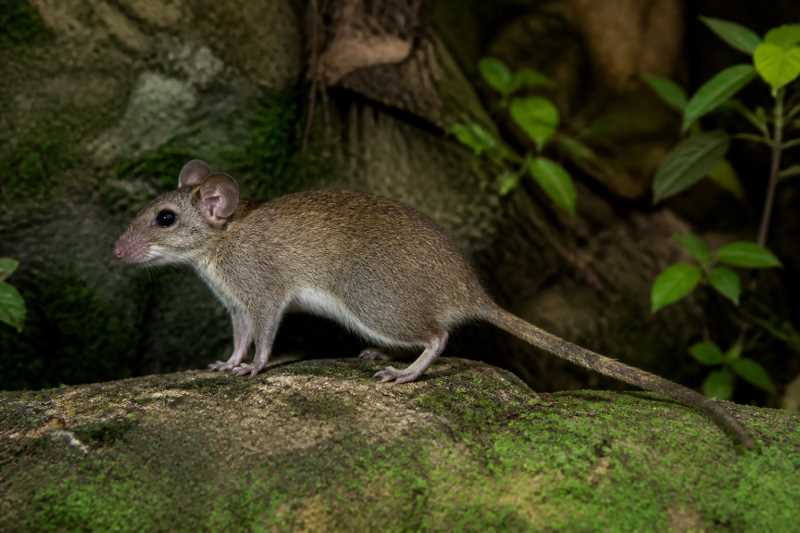
The Mira Climbing Rat exhibits several distinctive physical traits that enable it to thrive in its arboreal habitat. Typically, these rats have a body length ranging from 20 to 25 centimeters, with a tail that is often longer than the body, measuring up to 30 centimeters. This prehensile tail is a significant adaptation, aiding in balance and mobility among the trees.
Their fur is generally soft and dense, providing insulation against the cooler temperatures found at higher altitudes. The coloration of the Mira Climbing Rat varies, but it typically features a blend of gray and brown hues, which offer excellent camouflage against the bark and foliage of trees. The underbelly is usually lighter, often a creamy white, which can help in thermoregulation.
The rat’s limbs are strong and agile, equipped with sharp claws that assist in climbing. The forelimbs are slightly shorter than the hind limbs, a common trait among climbing mammals that aids in swift vertical movement. Furthermore, their large, expressive eyes are adapted for nocturnal activity, providing enhanced vision in low-light conditions.
Range and Habitat
The Mira Climbing Rat is endemic to Central America, with its distribution primarily spanning across the highland forests of countries like Honduras, Nicaragua, and Guatemala. These regions are characterized by dense tropical and subtropical forests, which offer abundant resources and shelter for the species.
Preferring montane forests, the Mira Climbing Rat is often found at elevations ranging from 500 to 2,000 meters above sea level. These habitats provide the necessary canopy cover and diverse plant life that support their arboreal lifestyle. The thick vegetation not only offers protection from predators but also ensures a steady supply of food resources.
Due to their reliance on mature forest ecosystems, the Mira Climbing Rat’s habitat is increasingly threatened by deforestation and land conversion for agriculture. As such, understanding their habitat preferences is essential for conservation efforts aimed at preserving these vital forested areas.
Behavior and Diet
Mira Climbing Rats are primarily nocturnal, with their activity peaking during the night when they forage for food and socialize. Their arboreal nature means they spend the majority of their time in the trees, rarely descending to the forest floor. This lifestyle reduces their risk of predation and allows them to exploit the rich food resources found within the canopy.
Their diet consists mainly of fruits, seeds, and leaves, although they are known to consume small insects on occasion. This omnivorous diet is facilitated by their sharp incisors and robust molars, which are well-suited to processing a variety of plant materials. The Mira Climbing Rat plays a crucial role in seed dispersal, as their foraging habits help to propagate numerous plant species throughout the forest.
Socially, the Mira Climbing Rat is known to be relatively solitary, with individuals maintaining defined territories that they mark using scent glands. However, during the breeding season, they may form temporary pairs for mating purposes. Little is known about their reproductive behavior, but it is presumed that, like many rodents, they have a relatively short gestation period and produce multiple offspring per litter.
Identification Tips
Identifying the Mira Climbing Rat in the field can be challenging due to its nocturnal habits and elusive nature. However, there are several key characteristics to look for:
- Tail: Look for a long, prehensile tail, which is often longer than the rat’s body and used for balance and grip.
- Fur Coloration: Note the gray-brown fur that provides excellent camouflage in forested environments, with a lighter underbelly.
- Size: These rats are medium-sized, with a body length of 20-25 cm and a tail length of up to 30 cm.
- Eyes: Large, round eyes are adapted for nocturnal vision.
- Activity: They are primarily active at night, so sightings are more common during dawn or dusk when they might be foraging.
Conservation Status
The conservation status of the Mira Climbing Rat is currently classified as "Data Deficient" by the International Union for Conservation of Nature (IUCN). This classification indicates that there is insufficient information to make a direct assessment of its risk of extinction.
However, the primary threats to the Mira Climbing Rat include habitat loss due to deforestation, agricultural expansion, and illegal logging. These activities lead to fragmentation of their natural habitats, which can isolate populations and reduce genetic diversity. Climate change also poses a potential threat by altering the ecosystems they depend on.
Conservation efforts for the Mira Climbing Rat involve habitat protection and restoration. Preserving large tracts of forest and promoting sustainable land use practices are critical to ensuring the survival of this species. Additionally, further research is needed to better understand their ecology and population dynamics, which will inform more effective conservation strategies.
Frequently Asked Questions
What does the Mira Climbing Rat eat? The Mira Climbing Rat primarily feeds on fruits, seeds, and leaves, with occasional consumption of small insects.
Where can the Mira Climbing Rat be found? This species is found in the highland forests of Central America, particularly in countries like Honduras, Nicaragua, and Guatemala.
How does the Mira Climbing Rat contribute to its ecosystem? As a seed disperser, the Mira Climbing Rat plays a vital role in propagating plant species, aiding in forest regeneration.
Is the Mira Climbing Rat endangered? Currently, the Mira Climbing Rat is classified as "Data Deficient," meaning there is not enough information to determine its exact conservation status.
How can I identify a Mira Climbing Rat? Look for a medium-sized rat with a long prehensile tail, gray-brown fur with a lighter underbelly, and large eyes adapted for nocturnal activity.
Related posts