Introduction
The Peruvian Vesper Mouse, scientifically known as Calomys sorella, is a small rodent native to South America. This fascinating mammal is part of the Cricetidae family, which includes a variety of small rodents found across the Americas. Known for their adaptability and resilience, these mice play an essential role in their ecosystems. In this article, we will explore the various aspects of the Peruvian Vesper Mouse, including its physical characteristics, habitat, behavior, and conservation status.
Physical Description
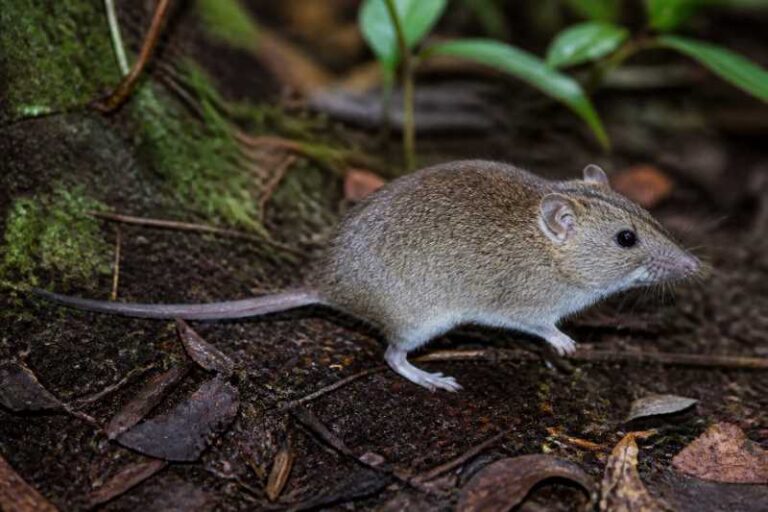
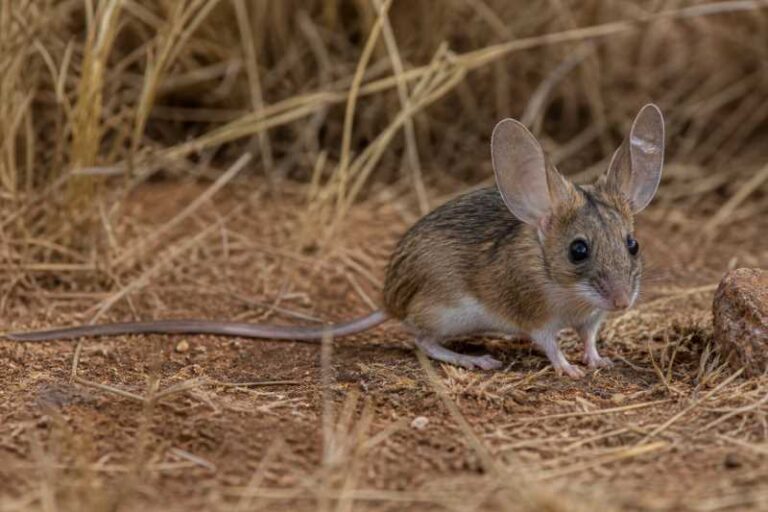
The Peruvian Vesper Mouse is a small rodent with a body length ranging from 8 to 12 centimeters, not including the tail, which adds an additional 6 to 10 centimeters. Its fur is typically a blend of brown and gray, providing effective camouflage in its natural habitat. The underbelly is lighter, often exhibiting a soft white or pale gray color. One of the distinguishing features of Calomys sorella is its large, rounded ears, which are well-suited for detecting predators and navigating its environment.
The species has a pointed snout and relatively small eyes, which are adapted for its nocturnal lifestyle. Its limbs are short but agile, allowing for quick movements through dense vegetation. The Peruvian Vesper Mouse also possesses sharp claws used for digging and climbing, enhancing its ability to find food and escape from threats.
Range and Habitat
Calomys sorella is predominantly found in the Andean regions of Peru, where it inhabits a variety of environments ranging from lowland tropical forests to high-altitude grasslands. These mice are particularly adapted to the diverse climatic conditions of the Andes, thriving in areas with abundant undergrowth and access to water sources.
Within its range, the Peruvian Vesper Mouse is often located in regions that offer ample cover and food supply. Its habitat selection varies depending on factors such as elevation, vegetation density, and the presence of predators. This adaptability to different habitats underscores the species’ resilience and ecological significance.
Behavior and Diet
The Peruvian Vesper Mouse is primarily nocturnal, spending the majority of the daytime hours hidden within burrows or dense vegetation. This behavior helps it avoid predators and extreme weather conditions. At night, the mouse becomes active, foraging for food and interacting with other members of its species.
The diet of Calomys sorella is omnivorous, consisting mainly of seeds, fruits, and insects. This varied diet allows the mouse to exploit a wide range of food resources, contributing to its adaptability in different environments. The species’ foraging behavior is strategic, often involving the storage of food in caches to ensure a steady supply during periods of scarcity.
Identification Tips (Field Recognition Cues)
Identifying the Peruvian Vesper Mouse in the field can be challenging due to its elusive nature and the presence of similar rodent species. However, there are several key features to look for:
- Fur Coloration: Look for the characteristic brown and gray fur with a lighter underside.
- Ear Size: The large, rounded ears are a distinctive feature that sets this species apart from others.
- Tail Length: The relatively long tail, often equal to or longer than the body, is another identifying characteristic.
- Behavior: Note the nocturnal activity patterns and preference for dense vegetation or burrows.
Conservation Status (with Threats and Protections)
Currently, the Peruvian Vesper Mouse is listed as a species of "Least Concern" by the International Union for Conservation of Nature (IUCN). This classification is due to its wide distribution and adaptability to a variety of habitats. However, like many wildlife species, it faces threats that could impact its population dynamics.
Threats
The primary threats to Calomys sorella include habitat destruction due to agricultural expansion, deforestation, and urbanization. These activities lead to habitat fragmentation and loss, which can reduce the availability of food and shelter. Additionally, climate change poses a long-term threat by altering the ecosystems on which the species depends.
Protections
Conservation efforts for the Peruvian Vesper Mouse involve habitat preservation and management. Protected areas within its range help safeguard vital ecosystems and provide a refuge from human activities. Continued research and monitoring are essential to ensure that any changes in its conservation status are promptly addressed.
Frequently Asked Questions
What does the Peruvian Vesper Mouse eat?
The Peruvian Vesper Mouse has an omnivorous diet, primarily consuming seeds, fruits, and insects. This dietary flexibility allows it to adapt to various environmental conditions.
Where can I find the Peruvian Vesper Mouse?
Calomys sorella is found in the Andean regions of Peru, inhabiting lowland tropical forests and high-altitude grasslands. It prefers areas with dense vegetation and access to water.
How does the Peruvian Vesper Mouse avoid predators?
This species is primarily nocturnal, foraging at night to avoid predators. Its camouflaged fur and preference for dense cover also help it evade detection.
Is the Peruvian Vesper Mouse endangered?
The Peruvian Vesper Mouse is not currently endangered, being classified as "Least Concern" by the IUCN. However, it faces threats from habitat destruction and climate change.
How long is the Peruvian Vesper Mouse’s tail?
The tail of the Peruvian Vesper Mouse typically ranges from 6 to 10 centimeters, often matching or exceeding the length of its body.
Related posts