Crossley’s Dwarf Lemur: A Comprehensive Guide
Introduction
Crossley’s Dwarf Lemur (Cheirogaleus crossleyi) is a fascinating primate species native to the island of Madagascar. Known for its small size and unique nocturnal lifestyle, this lemur has captured the attention of scientists and conservationists alike. As a member of the family Cheirogaleidae, Crossley’s Dwarf Lemur shares its lineage with other dwarf and mouse lemurs, all of which are endemic to Madagascar. This article delves into the various aspects of Crossley’s Dwarf Lemur, including its physical characteristics, habitat preferences, behaviors, and conservation status.
Physical Description
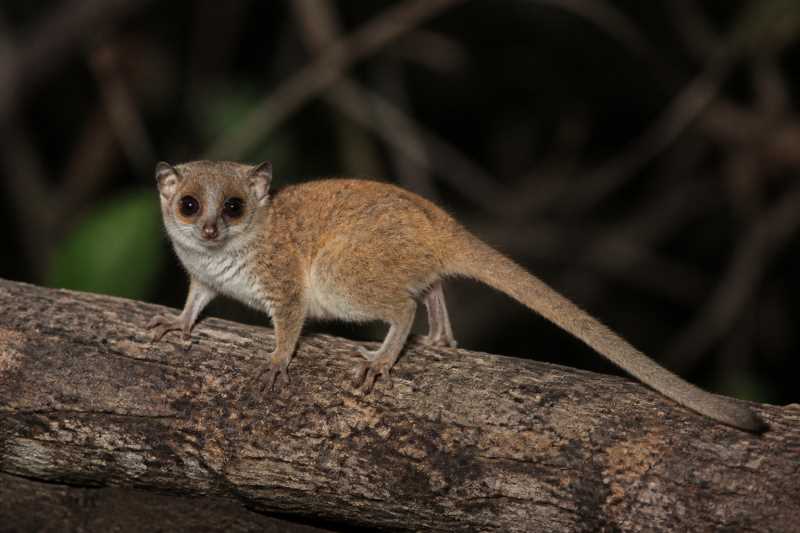
Crossley’s Dwarf Lemur is a small primate, with adults typically weighing between 150 to 300 grams and measuring about 25 to 30 centimeters in body length, not including the tail. The tail itself can add an additional 25 to 30 centimeters. This species is characterized by its soft, dense fur, which is primarily grayish-brown with subtle variations in coloration. The underparts are usually lighter, often displaying a creamy white or pale gray hue.
The lemur’s large, round eyes are one of its most distinctive features, adapted for enhanced night vision. These eyes are set in a flat face with a short snout, giving the lemur a distinctive appearance. The ears are relatively small and rounded, covered with fine hair. The limbs are of moderate length, with the hind limbs slightly longer than the forelimbs, aiding in their arboreal lifestyle.
Range and Habitat
Crossley’s Dwarf Lemur is found exclusively in Madagascar, occupying a range of habitats across the island. Their range primarily includes the eastern rainforests, but they can also be found in secondary forests and certain areas of degraded habitat. These lemurs are highly adaptable and can survive in a variety of forest conditions, though they prefer areas with dense canopy cover.
Madagascar’s unique geographical features and climatic conditions provide a suitable environment for Crossley’s Dwarf Lemur. The island’s tropical climate, characterized by a distinct wet and dry season, influences the availability of food resources, which in turn affects the lemur’s activity patterns.
Behavior and Diet
Crossley’s Dwarf Lemur is a nocturnal and arboreal species, spending most of its life in the trees. Their activity peaks during the night, as they forage and socialize. These lemurs are known for their solitary nature, though they may occasionally be observed in small family groups.
The diet of Crossley’s Dwarf Lemur is diverse, primarily consisting of fruits, flowers, nectar, and insects. They are known to have a particular affinity for fruits, which make up a significant portion of their diet. During periods of food scarcity, particularly in the dry season, they may also consume small vertebrates and other opportunistic food sources.
An interesting aspect of their behavior is their ability to enter a state of torpor during the dry season. This form of hibernation helps conserve energy when food is scarce, allowing them to survive extended periods of unfavorable conditions.
Identification Tips
When attempting to identify Crossley’s Dwarf Lemur in the field, there are several key characteristics to look for:
- Size and Shape: Look for a small primate with a body length of 25-30 cm and a similarly sized tail.
- Fur Coloration: Note the grayish-brown fur with lighter underparts.
- Eyes and Face: Observe the large, round eyes and flat face with a short snout.
- Behavior: Spot them at night when they are most active, often moving through the trees.
- Vocalizations: Listen for soft, whistling calls that are characteristic of their communication.
Conservation Status
Crossley’s Dwarf Lemur is currently classified as "Least Concern" by the International Union for Conservation of Nature (IUCN). However, like many species in Madagascar, they face several threats that could impact their populations in the future.
Threats
- Habitat Loss: Deforestation due to agricultural expansion, logging, and infrastructure development poses a significant threat.
- Hunting and Pet Trade: Though not a primary target, they may be captured for local consumption or occasional illegal pet trade.
- Climate Change: Alterations in climate patterns could affect their food sources and habitat conditions.
Protections
Efforts to protect Crossley’s Dwarf Lemur include:
- Protected Areas: Many of their habitats fall within national parks and reserves.
- Conservation Programs: International and local organizations are working on conservation initiatives focused on habitat preservation and community education.
- Research and Monitoring: Ongoing research helps monitor population trends and ecological needs.
Frequently Asked Questions
How do Crossley’s Dwarf Lemurs communicate?
Crossley’s Dwarf Lemurs communicate through a series of vocalizations, including soft whistles and clicks. These sounds are used for social interactions, territory establishment, and warning signals. Visual signals, such as facial expressions and postures, also play a role in their communication.
What adaptations do Crossley’s Dwarf Lemurs have for their nocturnal lifestyle?
Their large, round eyes are adapted for night vision, allowing them to navigate and forage in the dark. Additionally, their keen sense of hearing helps detect predators and prey.
Are Crossley’s Dwarf Lemurs social animals?
While generally solitary, these lemurs can sometimes form small family groups, particularly during the breeding season. Social interactions are mostly limited to these periods and involve grooming and cooperative foraging.
What is the breeding season for Crossley’s Dwarf Lemurs?
The breeding season for Crossley’s Dwarf Lemurs typically occurs during the wet season when food is abundant. Females usually give birth to one or two offspring after a gestation period of about two months.
How can I help in the conservation of Crossley’s Dwarf Lemur?
Supporting organizations that focus on Madagascar’s wildlife conservation, promoting sustainable practices, and raising awareness about the importance of biodiversity can contribute to the protection of Crossley’s Dwarf Lemur and their habitat.
Related posts