Introduction
The Sibuyan Striped Shrew Rat, scientifically known as Chrotomys sibuyanensis, is a fascinating rodent species that is native to the Philippines. This small mammal is part of the family Muridae and is distinguished by its unique physical characteristics and ecological niche. Despite its limited range, the Sibuyan Striped Shrew Rat plays a significant role in the biodiversity of its habitat. This article delves into the various aspects of this elusive creature, including its physical description, habitat preferences, behavior, diet, and conservation status.
Physical Description
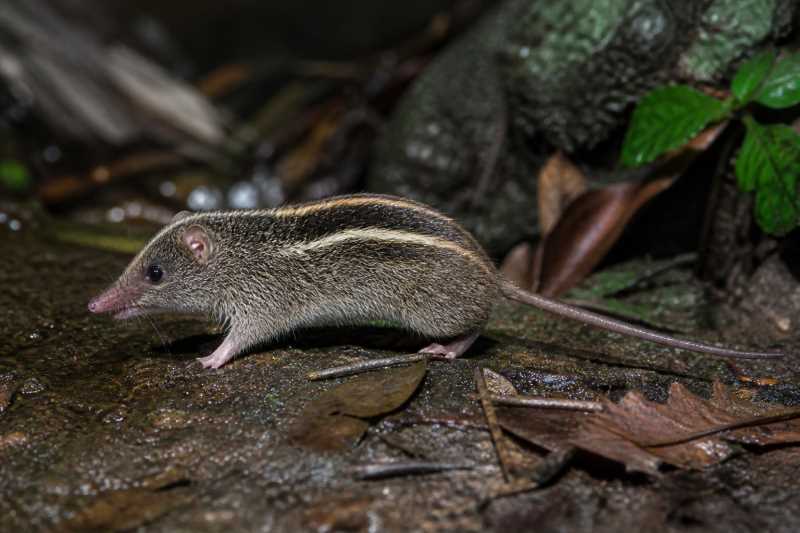
The Sibuyan Striped Shrew Rat is a small rodent characterized by its distinctive striping and shrew-like features. It typically measures around 10-15 cm in body length, with a tail that adds another 8-12 cm. The fur is soft and dense, primarily colored in shades of brown and gray, with a distinct dark stripe running along its back. This striping is one of its most recognizable features, aiding in its identification. The head is slightly elongated with a pointed snout, small rounded ears, and sharp incisors that are typical of rodents. Its limbs are relatively short, with dexterous forepaws adapted for digging and foraging.
Range and Habitat
The Sibuyan Striped Shrew Rat is endemic to Sibuyan Island in the Philippines, a region known for its rich biodiversity and high levels of endemism. This island, part of the Romblon province, offers a unique ecosystem where many species have evolved in isolation. The Sibuyan Striped Shrew Rat primarily inhabits the dense forested areas of the island, favoring altitudinal ranges that provide ample cover and food sources. These habitats are typically characterized by thick underbrush, fallen logs, and a rich layer of leaf litter, which provides both protection from predators and a diverse array of food.
Behavior and Diet
This species is primarily nocturnal, engaging in most of its activities during the night. The Sibuyan Striped Shrew Rat is a solitary creature, with individuals maintaining defined territories that they mark with scent. Their diet is omnivorous, consisting of a variety of seeds, fruits, insects, and small invertebrates. This diverse diet reflects their adaptability and plays a crucial role in seed dispersal and pest control within their ecosystem. Despite their small size, these rats are efficient foragers, using their keen sense of smell and hearing to locate food.
Identification Tips
Identifying the Sibuyan Striped Shrew Rat in the field can be challenging due to its elusive nature. However, there are several cues that can aid in recognition:
- Distinctive Stripe: Look for the characteristic dark stripe running along the back, a key feature distinguishing it from other rodent species.
- Habitat Preference: Focus on dense forested areas with abundant leaf litter, especially at higher elevations.
- Activity Patterns: Nighttime is the best period to observe these mammals, using night-vision equipment or infrared cameras.
- Sounds: Listen for rustling sounds in the underbrush; their movements are often audible in the quiet of the night.
Conservation Status
The conservation status of the Sibuyan Striped Shrew Rat is currently classified as vulnerable, primarily due to its limited geographic range and habitat destruction. The primary threat to this species is deforestation, driven by logging and agricultural expansion on Sibuyan Island. Additionally, climate change poses a potential risk, with alterations in weather patterns impacting its habitat. Conservation efforts are focused on habitat protection and reforestation initiatives. Local and international organizations are working to establish protected areas and raise awareness about the ecological importance of this species.
Frequently Asked Questions
What is the Sibuyan Striped Shrew Rat’s role in its ecosystem?
The Sibuyan Striped Shrew Rat contributes to its ecosystem by aiding in seed dispersal and controlling insect populations, thereby maintaining ecological balance.
How can I contribute to the conservation of the Sibuyan Striped Shrew Rat?
Supporting conservation organizations, promoting sustainable land-use practices, and advocating for the establishment of protected areas on Sibuyan Island can help conserve this species.
Why is the Sibuyan Striped Shrew Rat only found on Sibuyan Island?
The isolation of Sibuyan Island has led to the evolution of unique species like the Sibuyan Striped Shrew Rat, which are adapted to the specific environmental conditions of the island.
Are there any predators of the Sibuyan Striped Shrew Rat?
Predators of the Sibuyan Striped Shrew Rat likely include native birds of prey, snakes, and small carnivorous mammals, although specific predator-prey relationships are not well-documented.
What adaptations help the Sibuyan Striped Shrew Rat survive in its environment?
Its nocturnal habits, keen sense of smell and hearing, and ability to forage efficiently contribute to its survival in the dense forested habitats of Sibuyan Island.
Related posts