Introduction
The Guinean Grass Rat, scientifically known as Arvicanthis rufinus, is a remarkable rodent species that thrives in the diverse ecosystems of West Africa. This relatively lesser-known mammal plays a critical role in its habitat, contributing to the ecological balance by serving as both prey and a seed disperser. In this article, we delve into the fascinating world of the Guinean Grass Rat, exploring its physical characteristics, habitat preferences, behavioral traits, and the conservation challenges it faces.
Physical Description
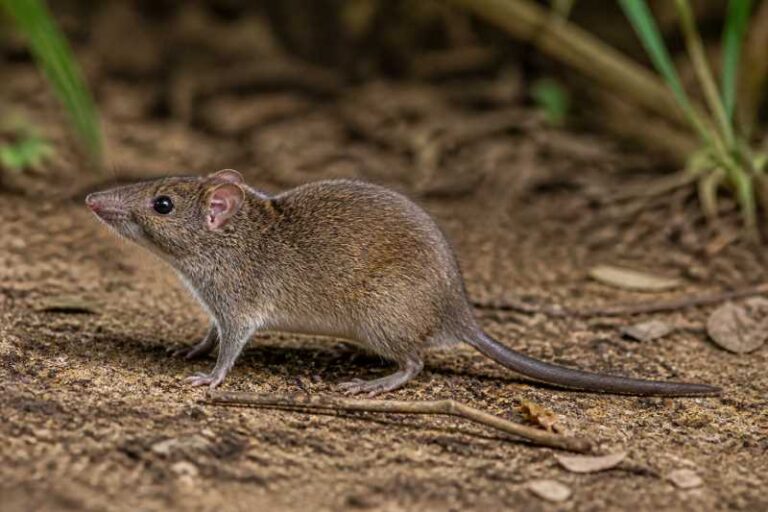
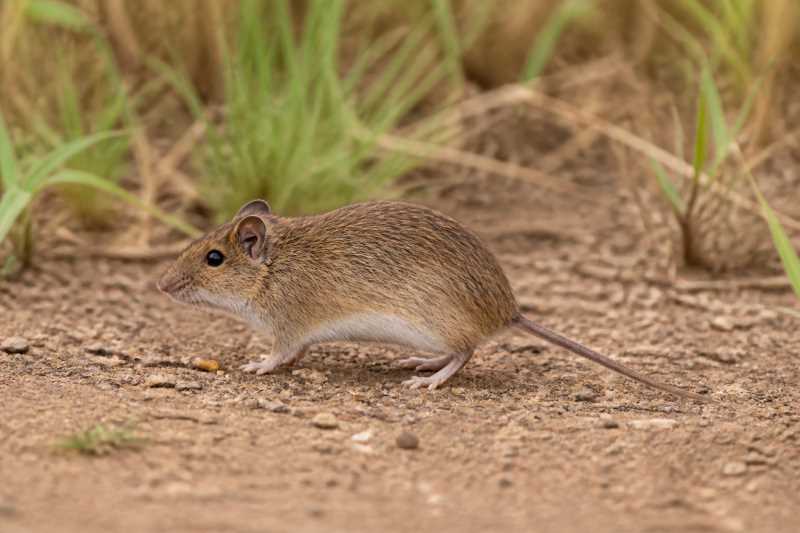
The Guinean Grass Rat is a small to medium-sized rodent, with a body length ranging from 15 to 20 centimeters, excluding its tail, which adds an additional 10 to 15 centimeters. Weighing between 80 to 150 grams, this species exhibits sexual dimorphism, with males generally larger than females. Its fur is predominantly a reddish-brown or rufous color, which provides excellent camouflage against the dry grasses of its habitat. The underbelly is usually a lighter shade, ranging from white to pale gray, aiding in thermoregulation.
The Guinean Grass Rat’s head is characterized by a pointed snout, large eyes, and prominent ears, all adaptations for its nocturnal lifestyle. Its incisor teeth are well-developed, an evolutionary trait for gnawing on tough vegetation. The tail, covered in fine hair, aids in balance and communication.
Range and Habitat
The geographic range of the Guinean Grass Rat spans several West African countries, including Guinea, Sierra Leone, Liberia, and parts of Ivory Coast. It predominantly inhabits savanna grasslands and open woodlands, where it finds an abundance of food and shelter. These rodents are highly adaptable and can also be found in agricultural areas, where they sometimes become pests by feeding on crops.
The Guinean Grass Rat prefers areas with dense grass cover, which provides protection from predators and harsh weather conditions. They construct burrows in the ground or utilize natural crevices and abandoned nests for shelter. This species is an integral part of the savanna ecosystem, contributing to soil aeration through its burrowing activities.
Behavior and Diet
The Guinean Grass Rat is primarily nocturnal, although it may exhibit crepuscular activity, being most active during dawn and dusk. It is a social species, often found in small groups or families, which helps in foraging and predator avoidance. Communication within groups is facilitated through a range of vocalizations and scent marking.
Dietarily, the Guinean Grass Rat is an omnivore. Its primary food source consists of grasses, seeds, and grains. However, it also consumes insects, small invertebrates, and occasionally fruits. This varied diet allows it to thrive in fluctuating environmental conditions. During the dry season, when food is scarce, the Guinean Grass Rat can survive on stored food in its burrows.
Identification Tips (Field Recognition Cues)
Identifying the Guinean Grass Rat in the field requires keen observation and knowledge of its distinguishing features:
- Coloration: Look for the characteristic reddish-brown fur with a lighter underbelly.
- Size: Note the size, which is relatively small compared to other local rodents.
- Tail: The tail is long and thin, often equal to or longer than the body length.
- Behavior: Observe nocturnal activity patterns and social groupings.
- Habitat: Focus on grassy areas and open woodlands where they are most likely to be found.
Conservation Status (with Threats and Protections)
Currently, the Guinean Grass Rat is listed as Least Concern by the International Union for Conservation of Nature (IUCN). Despite this status, it faces threats from habitat loss due to agricultural expansion, deforestation, and urbanization. Additionally, they are sometimes targeted as pests in agricultural areas, leading to population pressures.
Protection measures are primarily at the local level, focusing on habitat conservation and sustainable agricultural practices. Conservationists advocate for the establishment of protected areas and community-based management plans to ensure the species’ survival.
Frequently Asked Questions
1. What is the natural habitat of the Guinean Grass Rat? The Guinean Grass Rat primarily inhabits savanna grasslands and open woodlands in West Africa, thriving in areas with dense grass cover that provides food and shelter.
2. How can I identify a Guinean Grass Rat? Look for a small rodent with reddish-brown fur and a lighter underbelly, a long tail, and nocturnal activity patterns, often found in grassy terrains.
3. What does the Guinean Grass Rat eat? This species is omnivorous, feeding mainly on grasses, seeds, grains, and occasionally insects and fruits, adapting its diet according to seasonal availability.
4. Is the Guinean Grass Rat a threatened species? While currently listed as Least Concern, the Guinean Grass Rat faces threats from habitat loss due to human activities and agricultural expansion, warranting conservation actions.
5. Why is the Guinean Grass Rat important to its ecosystem? The Guinean Grass Rat plays a vital role in its ecosystem by aiding in seed dispersal, serving as prey for predators, and contributing to soil aeration through its burrowing habits.
Related posts