Introduction
The African Grass Rat (Arvicanthis niloticus) is a fascinating and often overlooked species that plays a vital role in the ecosystems of sub-Saharan Africa. Known for its adaptability and resilience, this small mammal is an integral component of the savanna and grassland biomes. Despite its relative obscurity, the African Grass Rat is a subject of interest for researchers due to its ecological significance and unique behavioral traits. This article delves into the physical characteristics, habitat preferences, behaviors, and conservation status of this remarkable species, offering a comprehensive overview for enthusiasts and professionals alike.
Physical Description
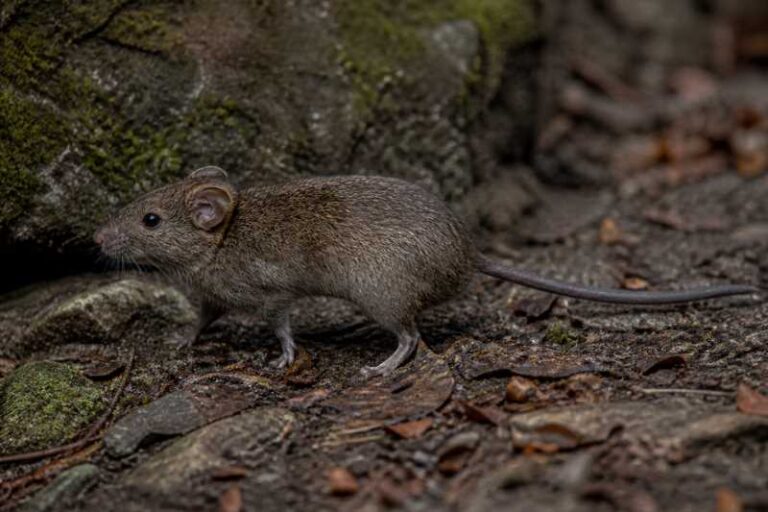
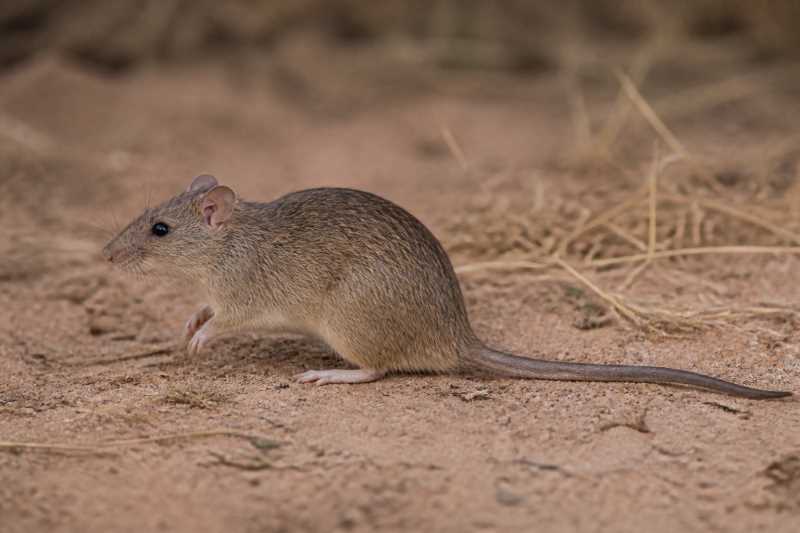
The African Grass Rat is a medium-sized rodent, typically measuring between 13 to 20 centimeters in body length, with an additional tail length of approximately 10 to 15 centimeters. It is characterized by a robust body with a sleek coat that varies in color from gray to brown, often with a grizzled appearance due to the mixture of lighter and darker hairs. The fur on the belly is usually lighter, ranging from white to a light buff.
One of the distinguishing features of the African Grass Rat is its large, round ears and prominent, dark eyes that afford it excellent vision—a crucial adaptation for a species that is predominantly diurnal. Its strong, sharp claws are well-suited for digging and foraging, while its incisors are continuously growing, necessitating constant gnawing to maintain an optimal length.
Range and Habitat
Arvicanthis niloticus is primarily distributed across sub-Saharan Africa, with a range extending from Senegal in the west to Ethiopia in the east and reaching as far south as Tanzania. This species thrives in a variety of habitats, including savannas, grasslands, and agricultural fields, where it often benefits from the availability of crops.
The African Grass Rat is highly adaptable, making it capable of surviving in diverse environments. It prefers areas with dense ground cover, which provides protection from predators and harsh weather conditions. This species is also known to inhabit areas close to water sources, such as rivers and lakes, which supply the necessary hydration and food resources.
Behavior and Diet
The African Grass Rat is predominantly diurnal, a trait that distinguishes it from many other rodent species that are primarily nocturnal. This diurnality is believed to be an evolutionary adaptation to avoid competition with other nocturnal species and to exploit the abundance of daytime resources.
Its diet is primarily herbivorous, consisting of grasses, seeds, and leaves. However, the African Grass Rat is opportunistic and may occasionally consume insects and other small invertebrates. This dietary flexibility allows it to thrive in a range of environments, from natural grasslands to agricultural lands where crops can serve as an additional food source.
Socially, the African Grass Rat is known for its complex social structures, often forming colonies that engage in cooperative behaviors. These colonies typically consist of multiple family groups and exhibit intricate communication through vocalizations and scent markings.
Identification Tips
For those seeking to identify the African Grass Rat in the field, there are several key characteristics to look for:
- Size and Shape: Medium-sized rodent with a body length of 13-20 cm and a tail length of 10-15 cm.
- Fur Coloration: Grizzled brown or gray coat with lighter underparts.
- Ears and Eyes: Large, round ears and prominent, dark eyes.
- Behavior: Diurnal activity patterns, often seen foraging during the day.
- Habitat: Commonly found in grasslands, savannas, and near water bodies.
Conservation Status
The International Union for Conservation of Nature (IUCN) currently lists the African Grass Rat as a species of Least Concern. Despite its wide distribution and stable population numbers, this species faces several threats that could impact its future conservation status.
Threats
- Habitat Destruction: Expansion of agriculture and human settlements leads to habitat fragmentation and loss.
- Pesticide Use: Use of chemical pesticides in agricultural areas can pose a direct threat to the species.
- Predation: Natural predators include snakes, birds of prey, and small carnivores.
Protections
The African Grass Rat benefits indirectly from conservation measures aimed at preserving savanna and grassland habitats. Sustainable agriculture practices and protected area management contribute to the conservation of this species. Continued research and monitoring are essential to ensure that populations remain stable and habitats are preserved.
Frequently Asked Questions
1. What is the primary diet of the African Grass Rat?
The African Grass Rat primarily consumes grasses, seeds, and leaves, but it is an opportunistic feeder that may also eat insects and other small invertebrates.
2. How does the African Grass Rat adapt to its environment?
The African Grass Rat adapts through its diurnal activity patterns, dietary flexibility, and social structure, which help it exploit various resources and avoid competition with nocturnal species.
3. Where can the African Grass Rat be found?
This species is found across sub-Saharan Africa, from Senegal to Ethiopia and south to Tanzania, commonly inhabiting savannas, grasslands, and agricultural fields near water sources.
4. Are African Grass Rats social animals?
Yes, African Grass Rats are social animals that often form colonies composed of multiple family groups, engaging in cooperative behaviors and complex communication.
5. What are the main threats to the African Grass Rat?
The main threats include habitat destruction due to agriculture and urbanization, pesticide use, and predation by natural predators like snakes and birds of prey.
Related posts