Tranier’s Tateril: A Comprehensive Guide to the Elusive Rodent
Introduction
Tranier’s Tateril, scientifically known as Taterillus tranieri, is a fascinating rodent species that belongs to the family Muridae. Native to the arid and semi-arid regions of Africa, this elusive creature has captivated the interest of researchers and wildlife enthusiasts alike. This article explores the various aspects of Tranier’s Tateril, from its physical description and natural habitat to its behaviors and conservation status. Whether you’re a seasoned researcher or a curious nature lover, this guide offers a deep dive into the world of Tranier’s Tateril.
Physical Description
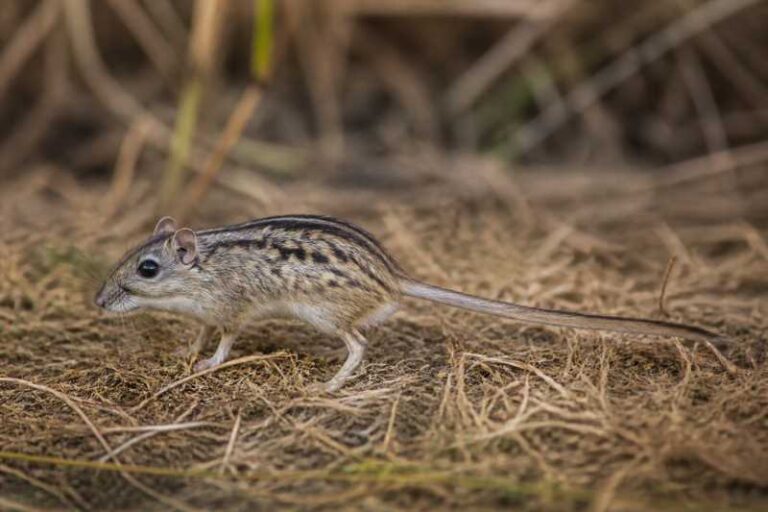
Tranier’s Tateril is a small rodent, measuring about 10 to 15 centimeters in body length, with a tail that often exceeds the length of its body, reaching up to 18 centimeters. This rodent species typically weighs between 30 to 50 grams. Its fur is soft and dense, with a coloration that varies from sandy brown to a more reddish hue, providing excellent camouflage in its natural habitat.
The underbelly of Tranier’s Tateril is generally lighter, ranging from pale cream to white. Its large, round eyes are adapted for nocturnal activity, providing excellent night vision. The ears are relatively large and rounded, aiding in acute hearing. The whiskers are long and sensitive, playing a crucial role in navigation and foraging.
Range and Habitat
Tranier’s Tateril is primarily found in the Sahel region of Africa, spanning several countries, including Mali, Niger, and Chad. It thrives in arid and semi-arid environments, particularly favoring sandy soils and sparse vegetation. This habitat preference allows it to burrow easily and evade predators effectively.
The species is known to inhabit areas with scattered shrubs and grasses, where it can find ample food resources while remaining hidden from larger predators. Despite its preference for dry conditions, Tranier’s Tateril is also found in agricultural areas where the soil structure and vegetation provide suitable living conditions.
Behavior and Diet
Tranier’s Tateril is primarily nocturnal, spending the daylight hours in elaborate burrows that offer protection from the scorching sun and predators. It emerges at dusk to forage for food, relying on its acute senses to locate sustenance.
The diet of Tranier’s Tateril is omnivorous, consisting mainly of seeds, grains, and insects. It has been observed to store food in its burrow, a behavior that helps it survive periods of scarcity. The rodent is known for its resourcefulness and ability to adapt its diet based on availability, which is crucial for survival in its arid habitat.
Socially, Tranier’s Tateril is relatively solitary, although it may share its burrow system with a mate during the breeding season. Communication occurs through a series of vocalizations and scent markings, which help establish territory and identify individuals.
Identification Tips
Recognizing Tranier’s Tateril in the wild can be challenging due to its elusive nature and nocturnal habits. However, several field recognition cues can aid in identification:
- Tail Length: Look for a tail that is significantly longer than the body, often with a tuft at the end.
- Fur Color: Note the sandy to reddish-brown coloration, which blends with the arid landscape.
- Large Eyes and Ears: These are indicative of its nocturnal lifestyle.
- Burrow Systems: Look for intricate burrow entrances in sandy or loose soil.
- Footprints: Small, rounded footprints with distinct claw marks may be visible in soft soil.
Conservation Status
As of the latest assessments, Tranier’s Tateril is classified as "Least Concern" on the IUCN Red List. However, its populations are subject to fluctuations due to environmental changes and human activities.
Threats
- Habitat Loss: Agricultural expansion and land development pose significant threats by reducing its natural habitat.
- Climate Change: Alterations in rainfall patterns and temperature can affect food availability and habitat suitability.
- Predation: Natural predators include birds of prey and larger mammals.
Protections
Efforts to conserve Tranier’s Tateril focus on habitat preservation and management. Protected areas in the Sahel region play a crucial role in maintaining stable populations. Additionally, research initiatives aim to better understand the species’ ecology and promote its conservation.
Frequently Asked Questions
1. What is the typical lifespan of Tranier’s Tateril?
Tranier’s Tateril typically lives for about 2 to 3 years in the wild. Factors such as predation and environmental conditions can influence its lifespan.
2. How does Tranier’s Tateril adapt to its arid environment?
Tranier’s Tateril exhibits several adaptations, including burrowing to escape heat, nocturnal activity to conserve water, and a varied diet to cope with food scarcity.
3. Are Tranier’s Taterils social animals?
While generally solitary, Tranier’s Taterils may exhibit social behavior during the breeding season, sharing burrows and communicating through vocalizations and scent.
4. What are the main predators of Tranier’s Tateril?
Predators include birds of prey, such as owls and hawks, as well as larger mammalian carnivores native to the Sahel region.
5. How can I help in the conservation of Tranier’s Tateril?
Supporting conservation organizations focused on habitat preservation and raising awareness about the species’ ecological role can contribute to its conservation.
Related posts