Introduction
The Occidental Gerbil (Gerbillus occiduus) is a fascinating rodent species that has garnered attention from scientists and wildlife enthusiasts alike. Known for its adaptability and enigmatic behavior, this species is an integral part of the ecosystems it inhabits. In this article, we will delve into various aspects of the Occidental Gerbil, from its physical characteristics to its habitat and behavior, while also addressing its conservation status.
Physical Description
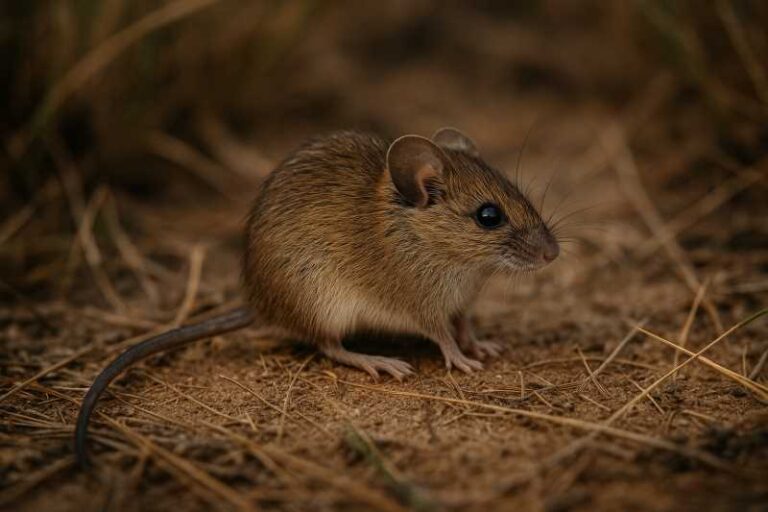
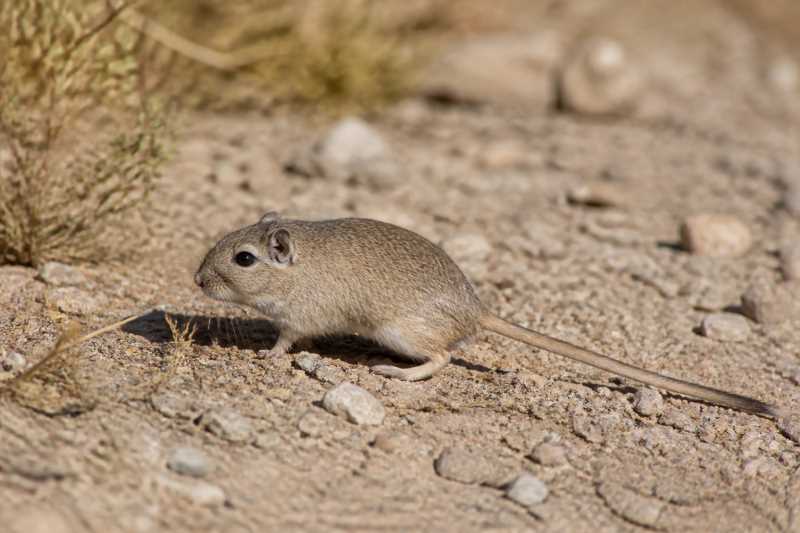
The Occidental Gerbil is a small rodent with a distinctive appearance that aids in its survival in arid environments. Typically, an adult gerbil measures between 10 to 12 centimeters in body length, with a tail that can add an additional 12 to 15 centimeters. The tail, often longer than the body itself, is an essential part of the gerbil’s anatomy, aiding in balance and communication.
Their fur is predominantly sandy brown, which provides excellent camouflage against the desert and scrubland landscapes. This coloration helps protect them from predators by blending seamlessly into their environment. The underbelly of the Occidental Gerbil is usually a lighter shade, often white or cream, which can help reflect the harsh sunlight.
One of the most striking features of the Occidental Gerbil is its large, dark eyes, which are adapted for nocturnal activity. These eyes allow the gerbil to navigate and forage in low-light conditions. Additionally, their ears are relatively large compared to their body size, helping to dissipate heat and enhancing their auditory senses.
Range and Habitat
The Occidental Gerbil is native to parts of North Africa, particularly in the arid regions characterized by deserts and scrublands. Historically, their range included areas across Morocco, Algeria, and Tunisia. These regions offer the dry, sandy soil that gerbils prefer for burrowing and nesting.
These gerbils are highly adapted to surviving in harsh environments where temperatures can fluctuate dramatically between day and night. Their burrowing behavior not only provides shelter from temperature extremes but also offers protection from predators. Within these burrows, they can regulate their body temperature and conserve water, a critical adaptation for survival in arid zones.
Gerbillus occiduus thrives in areas with sparse vegetation, which provides both food resources and cover. They are known to occupy a variety of habitats within their range, including dunes, rocky outcrops, and semi-arid plains.
Behavior and Diet
Occidental Gerbils are primarily nocturnal, utilizing the cooler night temperatures to forage and engage in social activities. This nocturnal lifestyle helps them avoid the intense heat of the day, a common trait among desert-dwelling mammals.
Their diet is omnivorous, consisting mainly of seeds, grains, and small insects. This varied diet allows them to take advantage of the available resources in their habitat. They have developed the ability to extract moisture from their food, which is crucial for survival in environments where water is scarce.
Socially, Occidental Gerbils are known for their complex burrow systems, which can house multiple individuals. These burrows serve as homes, storage sites for food, and protection against predators. Gerbils communicate through a series of vocalizations and physical cues, which play a vital role in their social structure.
Identification Tips (Field Recognition Cues)
Identifying the Occidental Gerbil in the field requires attention to several key features:
- Size and Shape: Look for a small rodent with a body length of 10-12 cm and a long tail that adds another 12-15 cm.
- Coloration: Note the sandy brown fur with a lighter underbelly, which is characteristic of this species.
- Tail: The tail is often bushy at the tip, providing a distinctive feature when viewed in the wild.
- Eyes and Ears: Large, dark eyes and prominent ears are adaptations for nocturnal activity and heat dissipation.
- Habitat: They are typically found in arid regions with sandy soil, often where there is sparse vegetation.
Conservation Status (With Threats and Protections)
The Occidental Gerbil is currently listed as "Least Concern" by the International Union for Conservation of Nature (IUCN), which indicates that the species is not at immediate risk of extinction. However, like many species, it faces threats that could impact its populations in the future.
The primary threats to the Occidental Gerbil include habitat loss due to agricultural expansion and urban development. As human populations grow, more land is converted for farming and infrastructure, reducing the natural habitats available for these gerbils.
Climate change also poses a significant threat, as alterations in temperature and precipitation patterns can drastically affect the arid ecosystems they depend on. Efforts to conserve their habitat are crucial, and protected areas have been established in parts of their range to safeguard their environment.
Conservation measures include monitoring populations, promoting sustainable land management practices, and conducting research to better understand the species’ ecology and behavior. Public awareness campaigns can also play a role in ensuring the long-term survival of this species.
Frequently Asked Questions
Why is this species unique?
The Occidental Gerbil is unique due to its adaptations to extreme environments. Its ability to thrive in arid regions, with specialized burrowing behavior and nocturnal habits, sets it apart from other rodents.
How does the Occidental Gerbil adapt to its environment?
Adaptations include its nocturnal lifestyle to avoid heat, fur coloration for camouflage, and a diet that allows it to extract moisture from food. These traits enable survival in harsh desert conditions.
What role does the Occidental Gerbil play in its ecosystem?
As both prey and seed dispersers, Occidental Gerbils play a crucial role in the food web. They help maintain the balance of their ecosystems by controlling insect populations and facilitating plant regeneration.
How can we help conserve the Occidental Gerbil?
Conservation can be supported through habitat protection, sustainable land use practices, and raising awareness about the species. Supporting local conservation initiatives can also contribute to their preservation.
Related posts