Introduction
Kemp’s Spiny Mouse, scientifically known as Acomys kempi, is a remarkable rodent species that has intrigued researchers and nature enthusiasts alike. As a member of the Muridae family, this small mammal is distinguished by its unique spiny fur, which serves as both a protective feature and an adaptation to its environment. Kemp’s Spiny Mouse is primarily found in East Africa, where it inhabits regions that present challenging conditions, showcasing its resilience and adaptability. This article explores the various facets of Kemp’s Spiny Mouse, from its physical description to its conservation status, providing an in-depth look at this fascinating species.
Physical Description
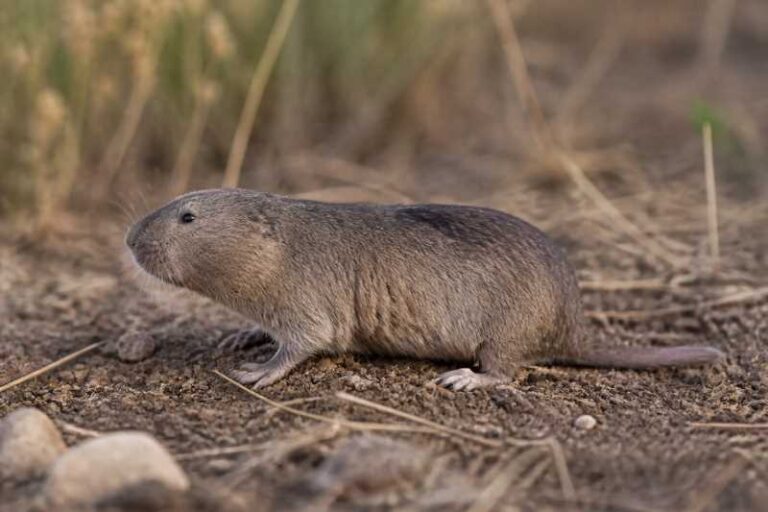
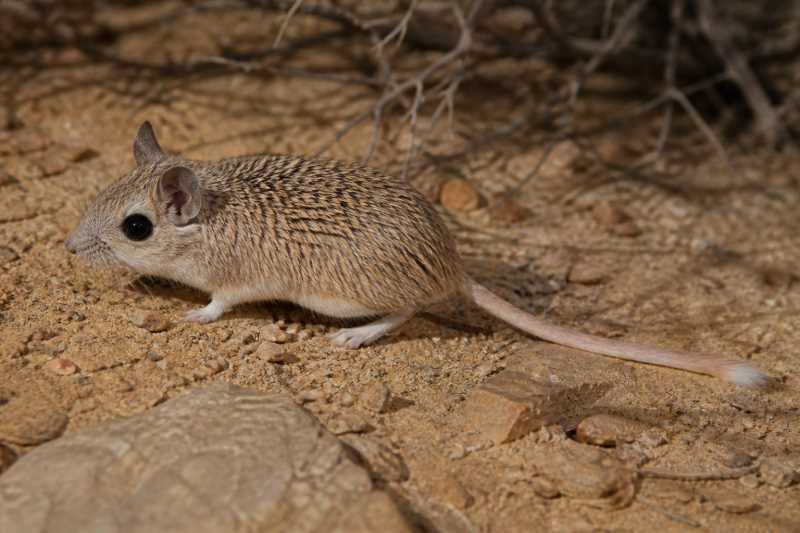
Kemp’s Spiny Mouse exhibits several distinctive physical characteristics that set it apart from other rodent species. The most notable feature is its spiny fur, which consists of stiff, bristle-like hairs that cover its back and sides. These spines provide a measure of defense against predators, making the mouse less palatable and more challenging to attack.
The body length of Kemp’s Spiny Mouse typically ranges from 10 to 12 centimeters, with a tail that often matches or slightly exceeds the body length. The mouse’s fur color varies from sandy brown to gray, blending seamlessly with its natural habitat. This coloration, combined with its spiny fur, offers excellent camouflage against predators.
Kemp’s Spiny Mouse has large, protruding eyes adapted for nocturnal activity, along with rounded ears that enhance its auditory abilities. These adaptations are crucial for survival in its native environment, where the mouse relies heavily on its senses to detect threats and find food.
Range and Habitat
Kemp’s Spiny Mouse is predominantly found in East Africa, with its range extending across countries such as Kenya, Tanzania, and Uganda. This species favors arid and semi-arid environments, often occupying rocky outcrops, savannas, and scrublands. These habitats provide ample opportunities for the mouse to forage for food while offering protection from predators.
The species is well-adapted to survive in these harsh climates, exhibiting behaviors and physical traits that enable it to thrive in areas with limited water resources. Kemp’s Spiny Mouse is often associated with rocky terrains, where it can take advantage of crevices and burrows to escape the heat of the day and evade predators.
Behavior and Diet
Kemp’s Spiny Mouse is primarily nocturnal, spending the daylight hours in burrows or hidden amongst rocks to avoid the harsh sun and predators. During the night, it becomes active, foraging for food and exploring its environment.
The diet of Kemp’s Spiny Mouse is omnivorous, consisting of seeds, fruits, insects, and other small invertebrates. This varied diet allows the mouse to adapt to the changing availability of food resources in its environment. The species exhibits opportunistic feeding behavior, consuming whatever food is most readily available.
Socially, Kemp’s Spiny Mouse is known for its territorial behavior, often living in small family groups. These groups communicate through vocalizations and scent markings, establishing and defending their territories against intruders.
Identification Tips (Field Recognition Cues)
Identifying Kemp’s Spiny Mouse in the field requires keen observation of several key features:
- Spiny Fur: Look for the characteristic spiny fur on the back and sides, which is unusual among rodents and serves as a clear identification marker.
- Coloration: Note the sandy brown to gray coloration, which provides camouflage in its natural habitat.
- Size and Shape: Observe the body size of 10 to 12 centimeters, along with a proportionately long tail.
- Nocturnal Activity: The mouse is primarily active at night, so sightings are more likely during dusk and dawn.
- Habitat: Look in arid, rocky environments where the mouse is most likely to be found.
Conservation Status (with Threats and Protections)
Kemp’s Spiny Mouse is currently not listed as an endangered species; however, it faces several threats that could impact its population numbers. Habitat destruction due to agricultural expansion and urban development poses significant challenges for this species, as it reduces available living spaces and food resources.
Predation by introduced species, such as domestic cats, also presents a threat to Kemp’s Spiny Mouse populations. These predators can significantly impact local populations, especially in areas where natural predators are scarce.
Conservation efforts aimed at protecting the natural habitats of Kemp’s Spiny Mouse are essential for ensuring its continued survival. Establishing protected areas and promoting sustainable land use practices can help mitigate the impact of human activities on this species.
Frequently Asked Questions
What adaptations allow Kemp’s Spiny Mouse to survive in arid environments?
Kemp’s Spiny Mouse has several adaptations that enable it to thrive in arid environments, including its spiny fur for protection, nocturnal lifestyle to avoid daytime heat, and a varied omnivorous diet that allows it to take advantage of available food resources.
How can I differentiate Kemp’s Spiny Mouse from other rodent species?
The distinctive spiny fur of Kemp’s Spiny Mouse is the most obvious differentiator from other rodents. Additionally, its sandy brown to gray coloration and preference for rocky, arid habitats are key identification cues.
What is the conservation status of Kemp’s Spiny Mouse?
Kemp’s Spiny Mouse is not currently listed as endangered. However, it faces threats from habitat destruction and introduced predators, emphasizing the need for continued conservation efforts.
Where is Kemp’s Spiny Mouse most commonly found?
Kemp’s Spiny Mouse is most commonly found in East Africa, particularly in arid and semi-arid regions of Kenya, Tanzania, and Uganda. It prefers rocky terrains and scrublands.
What are the main threats to Kemp’s Spiny Mouse populations?
The main threats to Kemp’s Spiny Mouse include habitat destruction from human activities and predation by introduced species. Conservation strategies are needed to address these challenges.
Related posts