Wandering Oldfield Mouse: A Comprehensive Insight
Introduction
The Wandering Oldfield Mouse, scientifically known as Thomasomys erro, is a fascinating mammal species endemic to the Andean regions of South America. This elusive rodent, part of the diverse Cricetidae family, is renowned for its adaptability to high-altitude environments and its significant role in the ecosystem. Its elusive nature and the unique environment it inhabits make it a subject of interest for researchers and conservationists alike. In this article, we delve into the various aspects of the Wandering Oldfield Mouse, including its physical characteristics, habitat, behavior, and conservation status.
Physical Description
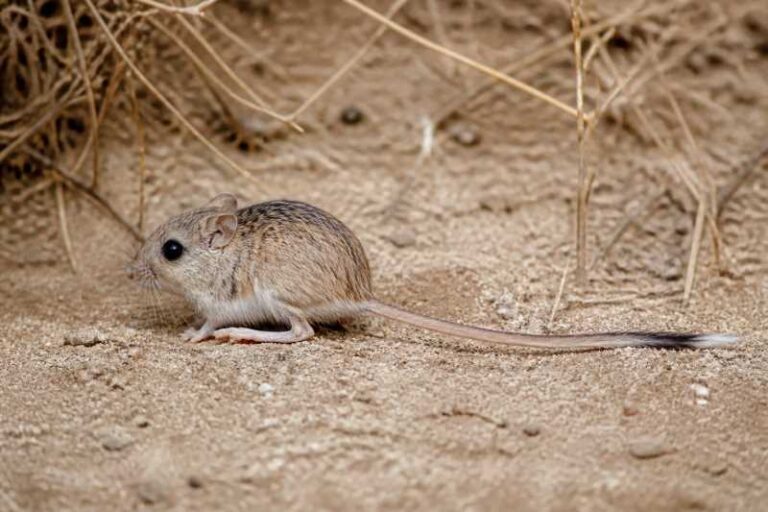
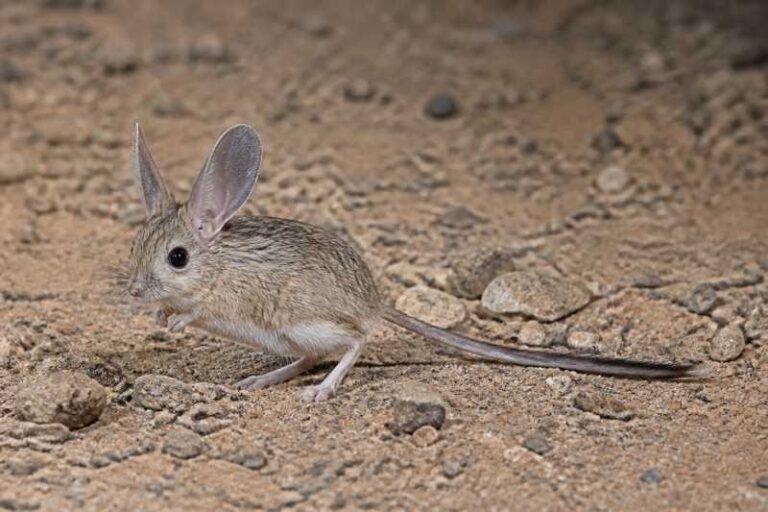
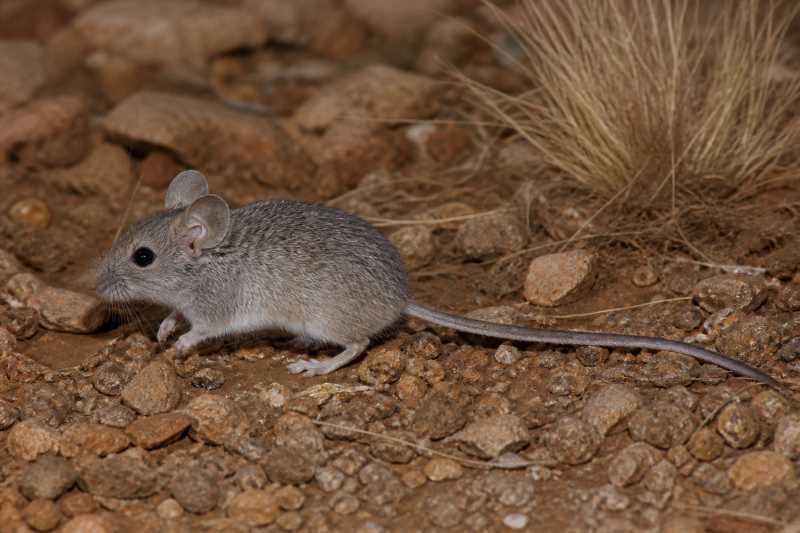
Thomasomys erro is a medium-sized rodent, typically measuring between 15 to 20 centimeters in total length, including its tail, which constitutes nearly half of its body length. The mouse exhibits a soft, dense fur coat that ranges from gray to brown, providing excellent camouflage against the rocky Andean terrain. Its underbelly is usually a lighter gray or white, creating a distinct contrast.
The Wandering Oldfield Mouse possesses large, rounded ears that are adapted to detect predators and effectively navigate its mountainous habitat. Additionally, its eyes are relatively large, suggesting a keen sense of vision, particularly suited for low-light conditions. The limbs of this species are robust, allowing for agile movement across the rugged landscape.
Range and Habitat
The Wandering Oldfield Mouse is predominantly found in the Andean regions of Colombia, Ecuador, and northern Peru. It occupies a range of altitudes, typically from 2,000 to 4,000 meters above sea level. This species thrives in cloud forests, paramo ecosystems, and montane grasslands, all characterized by their high humidity and dense vegetation.
These habitats provide abundant resources for Thomasomys erro, including shelter and a variety of food sources. The mouse is known to inhabit areas with rocky outcrops and dense underbrush, which offer protection from predators and harsh weather conditions. The adaptability of the Wandering Oldfield Mouse to these diverse environments underscores its resilience in the face of ecological changes.
Behavior and Diet
The Wandering Oldfield Mouse is primarily nocturnal, taking advantage of the cover of darkness to forage for food and avoid predators. Its diet is omnivorous, consisting of a variety of seeds, fruits, insects, and small invertebrates. This dietary flexibility is crucial for survival in the fluctuating conditions of the Andes.
Socially, Thomasomys erro is relatively solitary, with individuals occupying defined territories that they mark using scent glands. These territories are often centered around abundant food sources and suitable nesting sites. During the breeding season, which typically coincides with the wet season, males and females come together to mate, after which the female assumes sole responsibility for raising the young.
Identification Tips
Identifying the Wandering Oldfield Mouse in the field can be challenging due to its elusive nature and the dense habitats it occupies. However, several key features can aid in its recognition:
- Fur Coloration: Look for the characteristic gray to brown fur with a lighter underbelly.
- Size and Shape: Note the medium size and distinctive, rounded ears.
- Behavior: Observe nocturnal activity patterns and solitary behavior.
- Habitat: Focus on high-altitude regions with dense vegetation and rocky outcrops.
Conservation Status
The conservation status of the Wandering Oldfield Mouse is currently assessed as Least Concern by the International Union for Conservation of Nature (IUCN). Despite this classification, several threats could impact its populations in the future. Habitat destruction due to agricultural expansion and deforestation poses significant risks. Additionally, climate change could alter the delicate balance of the Andean ecosystems, further threatening the mouse’s habitat.
Conservation efforts are crucial to ensure the survival of Thomasomys erro. Protected areas and national parks in the Andes provide some refuge for the species. Furthermore, ongoing research and monitoring are essential to understand the species’ ecology and adapt conservation strategies accordingly.
Frequently Asked Questions
Q1: What is the natural habitat of the Wandering Oldfield Mouse?
The Wandering Oldfield Mouse is typically found in the high-altitude regions of the Andes, including cloud forests and montane grasslands. These environments provide the necessary resources and conditions for the species to thrive.
Q2: How does the Wandering Oldfield Mouse adapt to its environment?
The Wandering Oldfield Mouse adapts through its omnivorous diet, nocturnal behavior, and physical adaptations like dense fur and keen senses, which help it survive in the rugged Andean landscape.
Q3: Are there any conservation measures in place for the Wandering Oldfield Mouse?
Yes, conservation measures include habitat protection through national parks and ongoing research to monitor populations and ecological dynamics.
Q4: What threats does the Wandering Oldfield Mouse face?
The primary threats include habitat destruction due to agriculture and deforestation, as well as potential impacts from climate change affecting the Andean ecosystems.
Q5: How can I identify a Wandering Oldfield Mouse in the wild?
Key identification features include its medium size, gray to brown fur, large rounded ears, and activity in high-altitude, dense habitats.
Related posts