Introduction
Pacheco’s Pygmy Rice Rat (Oligoryzomys pachecoi) is a small mammal species belonging to the family Cricetidae, which is part of the order Rodentia. This elusive rodent is found primarily in South America and is notable for its small size and adaptability to various habitats. Despite its diminutive stature, Pacheco’s Pygmy Rice Rat plays a significant role in its ecosystem, providing insights into the biodiversity and ecological dynamics of its native regions.
The species was first described scientifically in the late 20th century, and since then, it has become a subject of interest for researchers and conservationists. Understanding its behavior, habitat preferences, and ecological importance can help in crafting effective conservation strategies. This article delves into the physical characteristics, habitat, behavior, and conservation status of Oligoryzomys pachecoi, providing a comprehensive overview for enthusiasts and scholars alike.
Physical Description
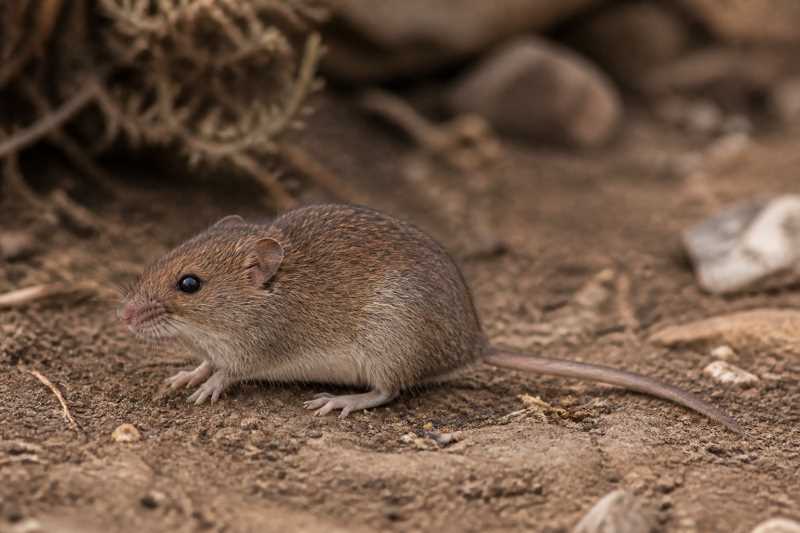
Pacheco’s Pygmy Rice Rat is characterized by its small size, with an average body length ranging from 8 to 10 centimeters, excluding the tail. The tail itself is relatively long, often measuring nearly as long as the body, aiding in balance and agility. The overall weight of this species is typically between 12 to 20 grams, making it one of the lighter members of the rodent family.
The fur of Oligoryzomys pachecoi is soft and dense, providing insulation against the varying temperatures of its habitat. The coloration is generally a blend of brown and gray, with a lighter underbelly. This coloration offers excellent camouflage against the forest floor and dense underbrush where the species often resides.
Distinctive facial features include large, dark eyes adapted for nocturnal activity, and small, rounded ears that aid in detecting predators. The whiskers are long and sensitive, crucial for navigating through dense vegetation and detecting food sources.
Range and Habitat
The range of Pacheco’s Pygmy Rice Rat spans several South American countries, predominantly in regions with dense vegetation. It is typically found in the Andean regions and some lowland areas. The species favors habitats that offer ample cover and food resources, such as subtropical and tropical forests, grasslands, and shrublands.
Within these habitats, Oligoryzomys pachecoi is often found near water sources, as these areas provide both hydration and a rich supply of food. The presence of dense understory vegetation is vital as it offers protection from predators and harsh weather conditions.
The adaptability of Pacheco’s Pygmy Rice Rat to different environmental conditions allows it to inhabit a variety of ecosystems, although its preference remains areas with dense ground cover and abundant food sources.
Behavior and Diet
Pacheco’s Pygmy Rice Rat is primarily nocturnal, with most of its activity occurring during the night. This behavior helps avoid the heat of the day and reduces predation risks. During the day, the rat typically takes refuge in burrows or dense vegetation.
The diet of Oligoryzomys pachecoi is omnivorous, consisting of seeds, fruits, insects, and small invertebrates. This varied diet allows the species to thrive in diverse environments and contributes to its success as an adaptable survivor.
Social behavior in Pacheco’s Pygmy Rice Rat is not extensively documented, but it is believed to be solitary with occasional interactions during the breeding season. Communication is likely facilitated through vocalizations and scent markings, common among rodent species.
Identification Tips (Field Recognition Cues)
Identifying Pacheco’s Pygmy Rice Rat in the field requires attention to several key features:
- Size and Proportions: Note the small body size and long tail, which are distinguishing characteristics.
- Coloration: The brown and gray fur with a lighter underbelly provides effective camouflage but can be a useful identifier.
- Behavior: Look for nocturnal activity; spotting the species during daylight is rare.
- Habitat: Focus on dense, vegetative areas near water sources.
- Tracks and Signs: Small tracks and signs of gnawing on seeds and fruits can indicate their presence.
Conservation Status (With Threats and Protections)
As of the latest assessments, Pacheco’s Pygmy Rice Rat is not classified as endangered or vulnerable. However, its populations are subject to threats that could impact its numbers in the future. Habitat destruction due to agricultural expansion, deforestation, and urbanization poses the most significant risks.
The protection of natural habitats and the establishment of conservation areas are crucial for the survival of this species. Environmental organizations are working to raise awareness about the importance of preserving the diverse ecosystems where Oligoryzomys pachecoi resides.
Legal protections may vary by region, but maintaining biodiversity and ensuring sustainable practices are universal goals that benefit Pacheco’s Pygmy Rice Rat and other similar species.
Frequently Asked Questions
1. What is the primary diet of Pacheco’s Pygmy Rice Rat?
Pacheco’s Pygmy Rice Rat is omnivorous, feeding on a mix of seeds, fruits, insects, and small invertebrates. This diet allows it to thrive in various habitats.
2. Where can Pacheco’s Pygmy Rice Rat be found?
The species is primarily found in the Andean regions of South America, inhabiting subtropical and tropical forests, grasslands, and shrublands, usually near water sources.
3. How does Pacheco’s Pygmy Rice Rat avoid predators?
The rat employs its nocturnal habits, camouflage, and preference for dense cover to avoid predators. Its agile movements and long tail also aid in quick escapes.
4. Is Pacheco’s Pygmy Rice Rat endangered?
Currently, Pacheco’s Pygmy Rice Rat is not classified as endangered, but habitat destruction is a potential threat that could impact future populations.
5. What are the identifying features of Pacheco’s Pygmy Rice Rat?
Key identifying features include its small size, long tail, brown and gray fur, and nocturnal habits. It is typically found in dense, vegetative habitats near water.
Related posts