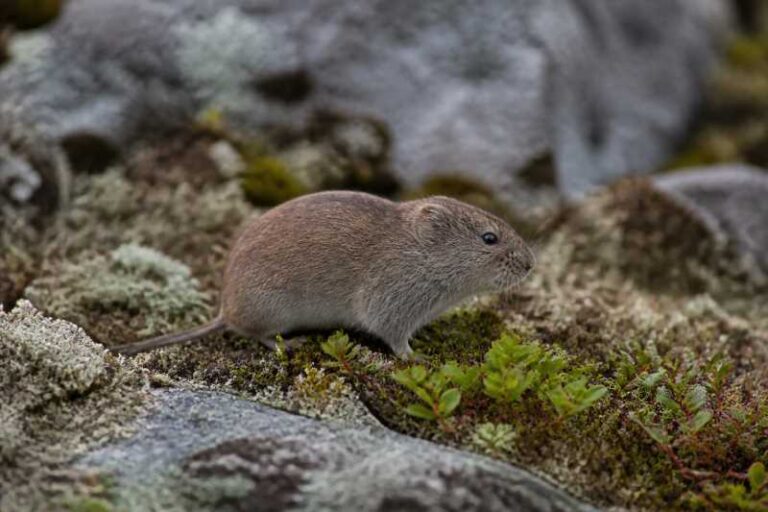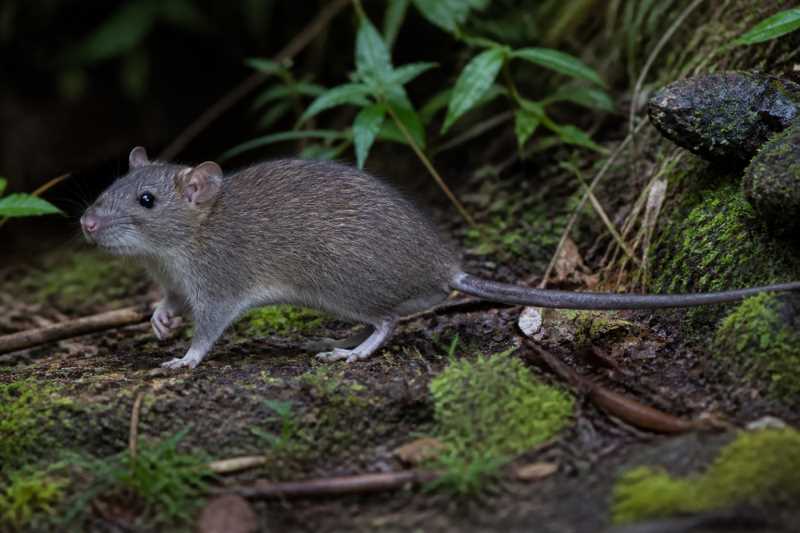
White-throated Montane Forest Rat (Drymoreomys albimaculatus)
Introduction
The White-throated Montane Forest Rat, scientifically known as Drymoreomys albimaculatus, is a fascinating species of rodent native to the high-altitude forests of South America. This elusive mammal is known for its distinct white throat and chest, setting it apart from other rodents in its habitat. As an integral part of the ecosystem, this species plays a crucial role in seed dispersal and maintaining the ecological balance of its native montane forests.
Physical Description
The White-throated Montane Forest Rat is a medium-sized rodent characterized by its striking white throat and chest. Its fur is generally a mix of brown and gray, providing excellent camouflage against the forest floor. The body length of this species ranges from 15 to 20 centimeters, with a similar tail length, which is often dark in color. Its large eyes and ears are adaptations for its nocturnal lifestyle, allowing it to navigate and forage efficiently at night. The feet are adapted for climbing, with sharp claws that assist in gripping tree bark and branches.
Range and Habitat
Drymoreomys albimaculatus is endemic to the montane forests of southeastern Brazil, particularly thriving at elevations between 800 and 2,000 meters above sea level. These forests are characterized by high humidity, dense vegetation, and a rich diversity of flora and fauna. The species is typically found in areas with abundant understory vegetation, which provides cover from predators and access to a variety of food sources. The White-throated Montane Forest Rat is often associated with undisturbed habitats but can sometimes be found in secondary forests, indicating some level of adaptability.
Behavior and Diet
Primarily nocturnal, the White-throated Montane Forest Rat is most active during the night when it forages for food. Its diet consists mainly of seeds, fruits, and small invertebrates. The species is an important seed disperser, contributing to the regeneration of forest vegetation. Social behavior is not well-documented, but like many rodents, it is believed to be solitary or live in small family groups. The species is known for its agility and climbing abilities, which it uses to evade predators and search for food high in the canopy.
Identification Tips (Field Recognition Cues)
To identify the White-throated Montane Forest Rat in the field, look for the following characteristics:
- Distinct white throat and chest, contrasting with darker brown or gray body fur.
- Medium size, with a body length of 15 to 20 centimeters and a similarly long tail.
- Large, prominent eyes and ears adapted for nocturnal activity.
- Agile climbers with sharp claws on their feet.
- Active primarily at night, often found in dense vegetation or climbing trees.
Conservation Status (With Threats and Protections)
Currently, the White-throated Montane Forest Rat is classified as "Data Deficient" by the IUCN Red List due to limited information on its population trends and ecological requirements. However, it faces several threats that could impact its survival. Habitat destruction due to logging, agriculture, and urban expansion poses the most significant risk. These activities lead to fragmentation and loss of suitable habitats, which are crucial for the species’ survival.
Conservation efforts are needed to protect the remaining montane forest habitats. Establishing protected areas and promoting sustainable land-use practices can help preserve the ecosystems that support this species. Research efforts to better understand the species’ ecology and population dynamics are also essential for informed conservation strategies.
Frequently Asked Questions
What is the natural habitat of the White-throated Montane Forest Rat?
The White-throated Montane Forest Rat inhabits the montane forests of southeastern Brazil, thriving in high-altitude areas with dense vegetation and high humidity.
How can I identify a White-throated Montane Forest Rat?
Look for a medium-sized rodent with a distinctive white throat and chest, large nocturnal eyes, and sharp climbing claws.
What threats does the White-throated Montane Forest Rat face?
The main threats include habitat destruction from logging, agriculture, and urban development, leading to habitat fragmentation and loss.
Is the White-throated Montane Forest Rat endangered?
The species is classified as "Data Deficient" by the IUCN, indicating a need for more research to determine its conservation status accurately.
What does the White-throated Montane Forest Rat eat?
Its diet primarily consists of seeds, fruits, and small invertebrates, playing a crucial role in seed dispersal within its habitat.
Related posts