Introduction
The Forest Grass Mouse, scientifically known as Akodon sylvanus, is a small mammal species that plays a crucial role in the biodiversity of its habitat. As a member of the Cricetidae family, this species is part of a diverse group of rodents found primarily in South America. In this article, we will explore the various facets of the Forest Grass Mouse, including its physical characteristics, natural habitat, behavior, and conservation status.
Physical Description
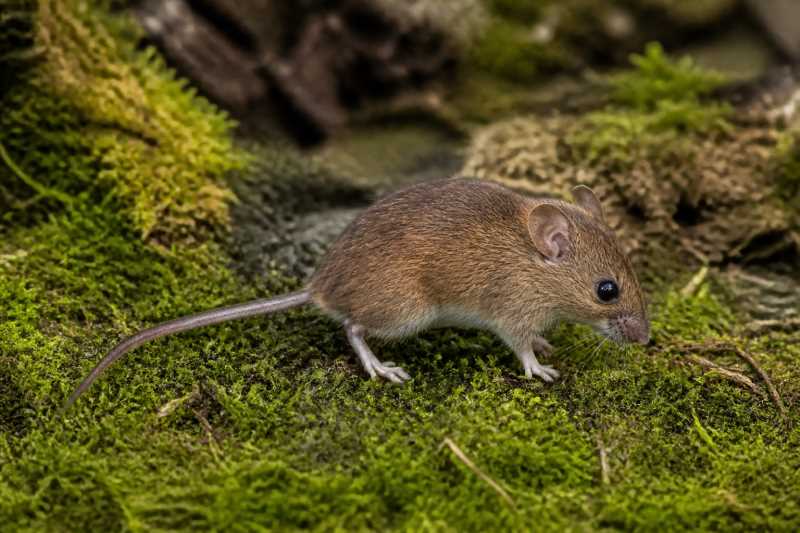
The Forest Grass Mouse is a small rodent, typically measuring between 8 to 12 centimeters in body length, with a tail that adds an additional 6 to 10 centimeters. It weighs approximately 15 to 30 grams, making it a lightweight and agile creature. The fur of Akodon sylvanus is generally a muted brown or grey, offering excellent camouflage against the forest floor. Its fur is soft and dense, providing warmth and protection. Notably, the ears are small and rounded, while the eyes are large, aiding in its nocturnal lifestyle. The paws are well-adapted for digging and foraging, featuring sharp claws that assist in navigating its environment.
Range and Habitat
Akodon sylvanus is predominantly found in the temperate and subtropical forests of South America. Its range extends across parts of Argentina, Bolivia, and Peru, where it thrives in dense undergrowth and forested areas. This species favors environments with ample ground cover, such as leaf litter and fallen logs, which provide both food and protection from predators. The Forest Grass Mouse is an adaptable species, capable of surviving in a variety of forest types, including montane and lowland forests.
Behavior and Diet
The Forest Grass Mouse is primarily nocturnal, venturing out at night to forage for food. Its diet consists mainly of seeds, fruits, and insects, making it an omnivore. This dietary flexibility allows Akodon sylvanus to adapt to seasonal changes in food availability. During the day, the mouse takes refuge in burrows or dense vegetation to avoid predators. Socially, this species is known for its solitary behavior, although it may form small groups during the breeding season. Communication between individuals includes a range of vocalizations and scent markings, which play a crucial role in territory establishment and mating.
Identification Tips
For those interested in identifying Akodon sylvanus in the wild, several field recognition cues can aid in its detection. Firstly, look for a small rodent with a muted brown or grey coat, often seen scurrying through leaf litter at night. The mouse’s small, rounded ears and relatively long tail are distinctive features. Additionally, its movements are quick and agile, characteristic of a species well-adapted to avoiding predators.
Conservation Status
The Forest Grass Mouse is currently listed as a species of Least Concern by the International Union for Conservation of Nature (IUCN). However, it faces several threats that could impact its population in the future. Habitat destruction due to deforestation and land conversion for agriculture poses significant risks. Additionally, climate change could alter the availability of resources, further challenging the species. Conservation efforts are crucial to ensuring the long-term survival of Akodon sylvanus. Protected areas and sustainable land management practices are vital in preserving the natural habitats of this and other forest-dwelling species.
Frequently Asked Questions
What is the primary habitat of the Forest Grass Mouse?
Akodon sylvanus primarily inhabits temperate and subtropical forests in South America, particularly in regions with dense undergrowth and ample ground cover.
How does the Forest Grass Mouse contribute to its ecosystem?
The Forest Grass Mouse plays a vital role in seed dispersion and insect population control, contributing to the ecological balance of its forest habitat.
What are the main threats to the Forest Grass Mouse?
The primary threats to Akodon sylvanus include habitat destruction from deforestation, agricultural expansion, and the effects of climate change on its ecosystem.
How can you identify a Forest Grass Mouse in the wild?
Identifying a Forest Grass Mouse involves looking for a small rodent with a muted brown or grey coat, small rounded ears, and a relatively long tail, typically active during the night.
Are there conservation efforts in place for the Forest Grass Mouse?
Yes, conservation efforts focus on habitat preservation through protected areas and sustainable land management practices to ensure the survival of Akodon sylvanus.
Related posts