Azara’s Grass Mouse: A Comprehensive Overview
Introduction
Azara’s Grass Mouse, scientifically known as Akodon azarae, is a fascinating species of rodent that thrives in the diverse habitats of South America. Named after the renowned Spanish naturalist Félix de Azara, this small mammal is a member of the Cricetidae family, which includes various species of New World rats and mice. Known for its adaptability and resilience, Azara’s Grass Mouse plays a crucial role in the ecosystems it inhabits. This article delves into the various aspects of this intriguing species, including its physical characteristics, habitat preferences, behavior, diet, and conservation status.
Physical Description
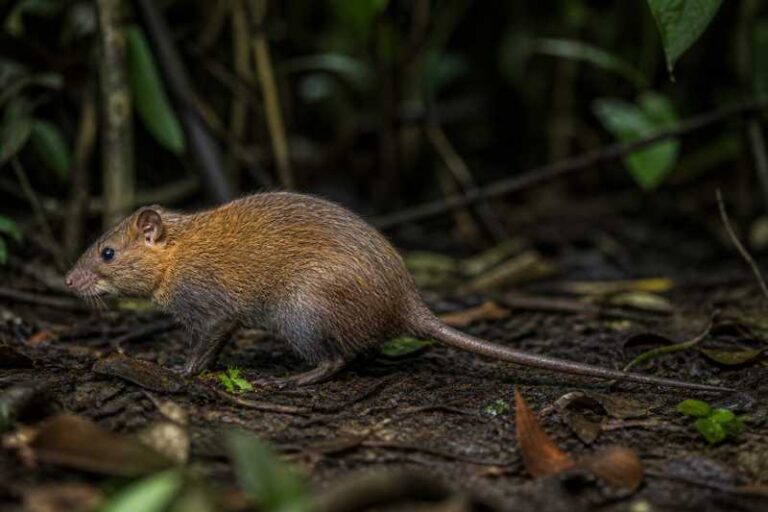
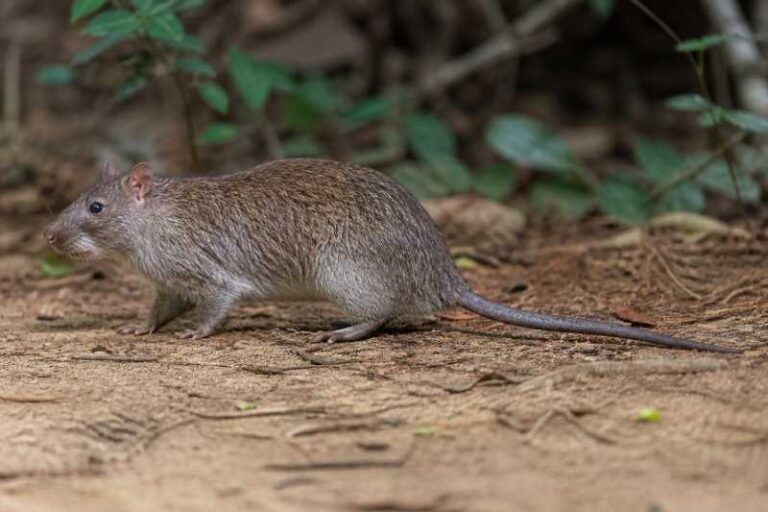
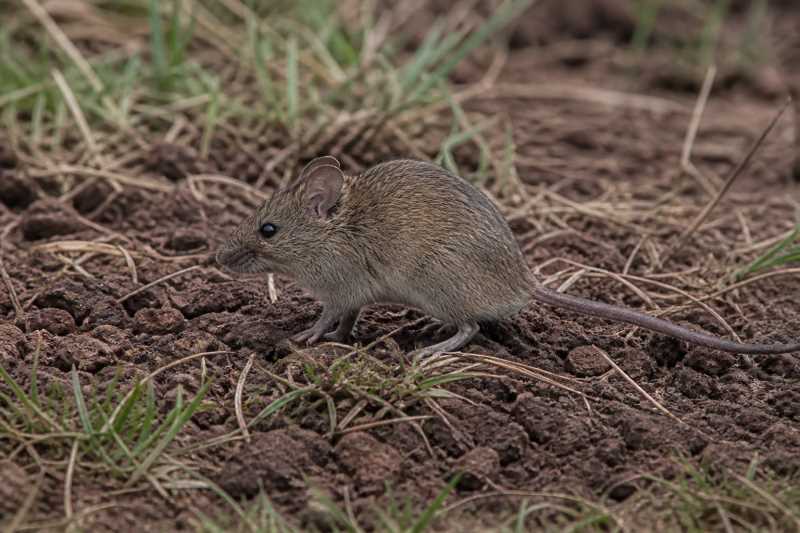
Azara’s Grass Mouse is a small rodent, typically measuring between 9 to 12 centimeters in body length, with a tail that ranges from 6 to 10 centimeters. The average weight of this species is around 20 to 40 grams. Its fur is dense and soft, usually exhibiting a brownish or grayish coloration on the dorsal side, which helps it blend into its natural surroundings. The underbelly is often lighter, ranging from white to a pale gray.
The ears of Azara’s Grass Mouse are small and rounded, covered with fine hair, while its eyes are relatively large, providing good vision essential for its nocturnal lifestyle. The whiskers are long and sensitive, aiding in navigation and foraging in the dark. This species possesses strong, sharp incisors that are characteristic of rodents, allowing it to gnaw on a variety of food sources.
Range and Habitat
Azara’s Grass Mouse is predominantly found in South America, with its range extending across several countries, including Argentina, Bolivia, Brazil, Paraguay, and Uruguay. It prefers habitats that offer dense vegetation and cover, such as grasslands, savannas, and forest edges. This species is highly adaptable and can also be found in agricultural areas, where it often comes into contact with human activities.
The adaptability of Azara’s Grass Mouse to various environmental conditions is one of its key survival traits. It can thrive in both natural and altered landscapes, although it usually avoids extremely arid or heavily forested regions. Its presence in agricultural fields often brings it into conflict with farmers, as it can cause damage to crops.
Behavior and Diet
Azara’s Grass Mouse is primarily nocturnal, meaning it is most active during the night. This behavior helps it avoid predators and extreme daytime temperatures. The species is known for its agility and speed, which are crucial for escaping threats and foraging for food.
The diet of Azara’s Grass Mouse is omnivorous, consisting of a wide range of plant and animal matter. It feeds on seeds, fruits, insects, and small invertebrates. This varied diet enables it to adapt to different environmental conditions and food availabilities. During times of scarcity, Azara’s Grass Mouse is known to store food in its burrows to ensure a stable food supply.
Socially, Azara’s Grass Mouse can be either solitary or form small family groups. It communicates with its peers using vocalizations, scent markings, and physical gestures. During the breeding season, males often compete for the attention of females, which can lead to aggressive encounters.
Identification Tips
Identifying Azara’s Grass Mouse in the field requires keen observation and an understanding of its distinctive features:
- Size and Shape: Look for a small rodent with a compact body, measuring around 9 to 12 centimeters in length, and a relatively long tail.
- Fur Coloration: The dorsal fur is typically brown or gray, while the underbelly is lighter. This coloration serves as camouflage in grassy environments.
- Ears and Whiskers: Note the small, rounded ears and long whiskers, which are key sensory features.
- Behavior: Azara’s Grass Mouse is primarily nocturnal and may be spotted during early evenings or nights.
- Habitat: Search in areas with dense grass or vegetation, including grasslands and the edges of forests.
Conservation Status
The conservation status of Azara’s Grass Mouse is currently listed as Least Concern by the International Union for Conservation of Nature (IUCN). This classification indicates that the species is not facing immediate threats of extinction across its range. However, it is important to note that localized threats can impact populations.
Threats
- Habitat Destruction: The expansion of agricultural activities and urban development can lead to habitat loss and fragmentation.
- Pesticides and Rodenticides: The use of chemicals in agriculture can pose a direct threat to Azara’s Grass Mouse populations by reducing food availability and causing poisoning.
- Climate Change: Alterations in weather patterns can affect the availability of resources and suitable habitats.
Protections
While there are no specific conservation programs targeting Azara’s Grass Mouse, general wildlife protection laws in the countries it inhabits provide some level of protection. Efforts to preserve natural habitats and promote sustainable agricultural practices can also benefit this species.
Frequently Asked Questions
What are the main predators of Azara’s Grass Mouse?
Azara’s Grass Mouse faces predation from a variety of animals, including birds of prey, snakes, and small carnivorous mammals. Its nocturnal habits and agility help it evade many of these predators.
How does Azara’s Grass Mouse adapt to different environments?
This species exhibits remarkable adaptability through its varied diet and ability to live in a range of habitats, from natural grasslands to human-altered landscapes like agricultural fields.
Is Azara’s Grass Mouse considered a pest?
In some agricultural areas, Azara’s Grass Mouse is considered a pest because it can cause damage to crops. However, it also plays a role in ecosystems by controlling insect populations and dispersing seeds.
What is the breeding season for Azara’s Grass Mouse?
Azara’s Grass Mouse typically breeds during the warmer months when food is abundant. Females can have multiple litters per year, with each litter consisting of several young.
How can I attract Azara’s Grass Mouse to my wildlife-friendly garden?
To attract Azara’s Grass Mouse, create a habitat with dense vegetation and provide natural food sources such as seeds and fruits. Avoid using pesticides to ensure a safe environment for these and other wildlife.
Related posts