Introduction
The Little Ground Squirrel (Spermophilus pygmaeus) is a small, endearing mammal known for its gregarious social behavior and industrious nature. These ground squirrels are a significant part of the ecosystems they inhabit, contributing to soil aeration and serving as prey for a variety of predators. Despite their small size, they are resilient creatures, adapting to various environments across their range. This article delves into the intricate details of the Little Ground Squirrel’s life, offering insights into its physical characteristics, habitat, behaviors, and conservation status.
Physical Description
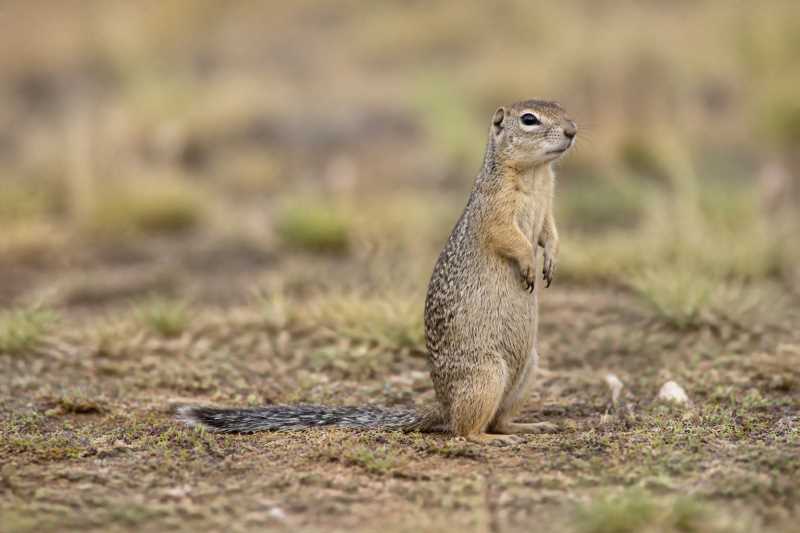
The Little Ground Squirrel, scientifically known as Spermophilus pygmaeus, is among the smaller members of the squirrel family. Adult squirrels typically measure around 18 to 23 centimeters in length, including a tail that spans approximately 3 to 5 centimeters. They weigh between 150 to 300 grams, with males generally being slightly larger than females.
Their fur is generally a mixture of gray and brown hues, providing excellent camouflage against the arid landscapes they inhabit. The underbelly is usually lighter, often appearing as a creamy white. The fur is dense and soft, offering protection against temperature extremes. Their eyes, large and dark, are adapted for keen vision, crucial for spotting predators. Their ears are small and rounded, lying close to the head, which aids in minimizing heat loss.
Range and Habitat
The Little Ground Squirrel occupies a wide geographical range, primarily found across Eastern Europe and parts of Central Asia. Their range extends from the steppes of Ukraine and southwestern Russia to the semi-arid regions of Kazakhstan and into the northwestern parts of Iran.
These squirrels favor open habitats, thriving in grasslands, steppes, and desert margins. They are often found in areas with sparse vegetation, which allows for easy burrowing. Their burrow systems are complex, providing shelter and storage for food. These burrows also serve as protection from the harsh sun and predators, with entrances typically concealed by vegetation or soil.
Behavior and Diet
Little Ground Squirrels are diurnal creatures, most active during the early morning and late afternoon when temperatures are moderate. They live in colonies, which offer protection and social interaction. These colonies are composed of complex burrow systems where they spend the majority of their time.
Their diet is primarily herbivorous, consisting of seeds, grasses, and various plant materials. However, they are opportunistic feeders and will consume insects and small invertebrates when available. During the summer, they gather and store food in their burrows to prepare for the colder months when resources are scarce.
Identification Tips (Field Recognition Cues)
Identifying the Little Ground Squirrel in the field involves several key characteristics:
- Size and Shape: Look for a small, compact body with a short tail, which is characteristic of ground squirrels.
- Fur Coloration: Notice the gray-brown fur that blends with the ground, and a lighter underbelly.
- Behavior: Observe their diurnal activity and social interactions within colonies.
- Habitat: Spot them in open grasslands or steppe environments, typically near burrow entrances.
Conservation Status (With Threats and Protections)
The conservation status of the Little Ground Squirrel is currently classified as "Least Concern" by the International Union for Conservation of Nature (IUCN). However, they face several threats that could impact their populations in the future.
Threats:
- Habitat Loss: Agricultural expansion and urbanization lead to habitat destruction and fragmentation.
- Climate Change: Altered precipitation patterns and temperature extremes can affect their habitats and food availability.
- Predation: Though a natural threat, increased predator populations due to human influences can impact squirrel numbers.
Protections:
- Protected Areas: Many regions within their range are designated as protected areas, helping to conserve their natural habitats.
- Research and Monitoring: Ongoing studies help monitor population trends and ecological impacts.
Frequently Asked Questions
What is the lifespan of a Little Ground Squirrel?
Little Ground Squirrels typically live for about 3 to 5 years in the wild. Their lifespan can be influenced by factors such as predation, food availability, and environmental conditions.
How do Little Ground Squirrels communicate?
These squirrels communicate through a variety of vocalizations and body language. Alarm calls are particularly prominent, alerting colony members to potential threats.
Are Little Ground Squirrels solitary or social animals?
They are highly social animals, often found in colonies where they engage in cooperative behaviors such as grooming and communal foraging.
What adaptations help Little Ground Squirrels survive in arid environments?
Their adaptations include efficient water conservation, burrowing behavior to escape heat, and dietary flexibility to utilize available resources.
How can I help in the conservation of Little Ground Squirrels?
Supporting habitat conservation efforts and advocating for sustainable land-use practices in regions they inhabit can contribute to their conservation.
Related posts