Introduction
The Western Dwarf Squirrel, scientifically known as Microsciurus mimulus, is a fascinating yet elusive species of rodent found in the wilds of Central and South America. This diminutive creature, often overshadowed by its larger squirrel relatives, plays a crucial role in its ecosystem. Despite its size, the Western Dwarf Squirrel is a subject of great interest among wildlife enthusiasts and researchers alike, due to its unique adaptations and behaviors. This article delves deep into the world of the Western Dwarf Squirrel, exploring its physical characteristics, habitat, behavior, diet, and conservation status.
Physical Description
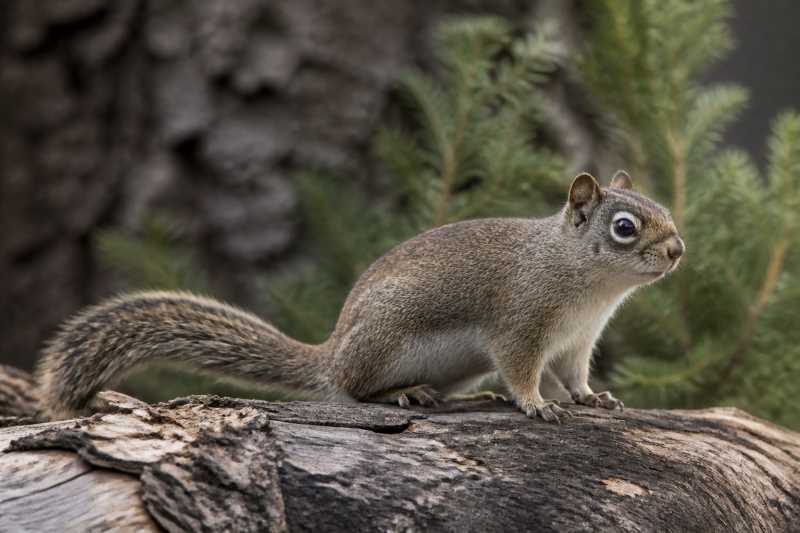
The Western Dwarf Squirrel is renowned for its small stature. Adults typically weigh between 50 to 60 grams and measure approximately 18 to 22 centimeters in length, including the tail. Their fur is predominantly a mix of brown and gray, which provides excellent camouflage against the forest floor. The underbelly is usually lighter, ranging from pale gray to white. Their bushy tails, although shorter relative to their body size compared to other squirrels, are an essential tool for balance and communication.
The squirrel’s ears are small and rounded, with less prominent tufts compared to other tree squirrels. Their eyes are large relative to their head size, giving them a keen sense of sight which is crucial for spotting predators and foraging for food. The limbs are proportionately short but strong, allowing them to navigate the forest canopy with agility.
Range and Habitat
The Western Dwarf Squirrel is endemic to the neotropical regions of Central and South America. Their range primarily includes the dense rainforests of countries such as Colombia, Ecuador, and Panama. These forests provide the ideal environment with abundant food sources and ample cover from predators.
They thrive in lowland and montane forests, often found at elevations ranging from sea level to about 1,500 meters. The dense canopy and understory vegetation offer both food and protection, crucial for their survival. As arboreal creatures, they spend most of their time in trees, where they build nests or use natural cavities for shelter.
Behavior and Diet
Western Dwarf Squirrels are diurnal, being most active during the day. They are solitary animals, with each individual maintaining a territory that they defend from others. Communication is often through vocalizations and tail movements, which can signal alarm or aggression.
Their diet is omnivorous, consisting primarily of seeds, nuts, fruits, and insects. They are known to forage both in the trees and on the ground, depending on the availability of food. During the wet season, when food is plentiful, they store excess food in caches to consume during the leaner dry months. This behavior is critical for their survival and also aids in seed dispersal, contributing to forest regeneration.
Identification Tips
Identifying the Western Dwarf Squirrel in the field requires attention to several key features:
- Size: Much smaller than other squirrels in the region, their diminutive size is a primary distinguishing feature.
- Fur Coloration: Look for their characteristic brown and gray fur with a lighter underbelly.
- Tail: Although bushy, the tail is shorter compared to other tree squirrels.
- Behavior: Notice their solitary nature and the unique patterns of movement and foraging.
Conservation Status
The Western Dwarf Squirrel is currently listed as Least Concern by the International Union for Conservation of Nature (IUCN). However, like many species within its range, it faces threats from habitat destruction due to logging, agriculture, and urban expansion. Climate change also poses a long-term threat by altering the ecosystems they depend on.
Conservation efforts are focused on habitat preservation, including the establishment of protected areas and sustainable forestry practices. Public awareness and education programs are also vital in promoting the importance of preserving biodiversity in these regions.
Frequently Asked Questions
What is the average lifespan of the Western Dwarf Squirrel?
Western Dwarf Squirrels typically live for about 5 to 7 years in the wild. Their lifespan can be affected by predation and environmental factors.
How does the Western Dwarf Squirrel contribute to its ecosystem?
These squirrels play a significant role in seed dispersal, which aids in forest regeneration. Their foraging habits also help control insect populations.
Are Western Dwarf Squirrels endangered?
Currently, they are not considered endangered, but they do face threats from habitat destruction and climate change.
How can you help protect Western Dwarf Squirrels?
Supporting conservation efforts, promoting sustainable practices, and raising awareness about habitat preservation can help protect these squirrels.
What are the predators of the Western Dwarf Squirrel?
Natural predators include birds of prey, snakes, and small carnivorous mammals. Their camouflage and agility are their primary defenses.
Related posts