Introduction
Robert’s Spiny-rat, scientifically known as Proechimys roberti, is a fascinating rodent species native to the neotropical regions of South America. This species is part of the Echimyidae family, which is known for its diverse array of spiny rats. Proechimys roberti is an integral component of its ecosystem, playing a critical role in seed dispersal and serving as prey for a variety of predators. Despite its importance, this species remains relatively understudied, with much of its behavior and ecology still shrouded in mystery.
Understanding the biology and ecology of Proechimys roberti is essential for conservation efforts, especially in regions where habitat destruction threatens biodiversity. This article provides a comprehensive overview of Robert’s Spiny-rat, covering its physical characteristics, habitat preferences, behavior, and conservation status.
Physical Description
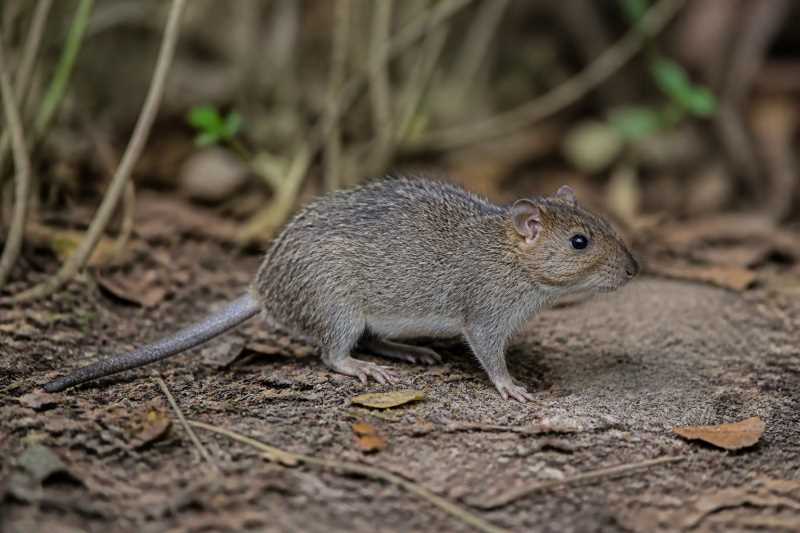
Robert’s Spiny-rat is a medium-sized rodent characterized by its distinctive spiny fur. These spines, which are modified hairs, provide protection against predators and contribute to the species’ unique appearance. The average body length of Proechimys roberti ranges from 20 to 30 centimeters, with a tail that is slightly shorter than the body.
The fur of Robert’s Spiny-rat is typically a mix of brown and gray, allowing it to blend seamlessly into its forested environment. The underbelly is usually lighter, often displaying a white or pale gray hue. One of the most striking features of Proechimys roberti is its large, prominent eyes, which are well-adapted for nocturnal activity.
The rat’s feet are equipped with sharp claws that facilitate climbing and digging. Its incisors are strong and continuously growing, a common trait among rodents that aids in gnawing through tough plant material.
Range and Habitat
Robert’s Spiny-rat is primarily found in the lowland rainforests of South America, with its range extending across countries such as Brazil, Peru, and Bolivia. It favors dense, humid environments where undergrowth provides ample cover from predators.
Within these forests, Proechimys roberti typically inhabits the understory and forest floor, where it forages for food and constructs nests. The species is known to utilize a variety of natural shelters, including hollow logs, burrows, and dense vegetation.
The presence of Proechimys roberti is often indicative of healthy, undisturbed forest ecosystems. However, the rat is also capable of adapting to disturbed habitats, provided there is sufficient cover and food availability.
Behavior and Diet
Robert’s Spiny-rat is predominantly nocturnal, spending the majority of daylight hours hidden within its nest or burrow. This behavior minimizes the risk of predation and helps avoid the midday heat typical of its tropical habitat.
The diet of Proechimys roberti is omnivorous, consisting largely of seeds, fruits, leaves, and insects. The species plays a vital role in seed dispersal, as it often carries seeds away from the parent plant and caches them for later consumption. This behavior not only benefits the rat but also supports forest regeneration.
Social behavior in Proechimys roberti is not well-documented, but it is generally considered a solitary species. However, individuals may occasionally be observed foraging in loose groups, especially in areas with abundant food resources.
Identification Tips
Field recognition of Robert’s Spiny-rat can be challenging due to its elusive nature and nocturnal habits. However, several key characteristics can aid in identification:
- Spiny Fur: The presence of spiny fur is a distinctive feature that sets Proechimys roberti apart from other rodents.
- Size and Build: A medium-sized rodent with a robust body and slightly shorter tail.
- Coloration: Brown and gray fur with a lighter underbelly.
- Large Eyes: Adapted for low-light conditions, the large eyes are a prominent feature.
- Habitat: Typically found in dense, humid forest environments.
Conservation Status
The conservation status of Robert’s Spiny-rat is currently listed as "Least Concern" by the International Union for Conservation of Nature (IUCN). This classification is due to its wide range and presumed large population. However, localized threats could impact specific populations.
Threats
The primary threat to Proechimys roberti is habitat destruction, primarily driven by logging, agriculture, and urbanization. Deforestation not only reduces available habitat but also disrupts ecological processes essential for the species’ survival.
Protections
Efforts to conserve Proechimys roberti largely focus on habitat preservation. Protected areas and national parks within its range provide crucial refuges for the species. Additionally, sustainable land management practices that mitigate deforestation can help maintain viable populations.
Frequently Asked Questions
What is the primary diet of Robert’s Spiny-rat?
Robert’s Spiny-rat primarily feeds on seeds, fruits, leaves, and insects. Its diet reflects its role as an omnivorous forager within its tropical forest habitat.
How does Robert’s Spiny-rat contribute to its ecosystem?
As a seed disperser, Proechimys roberti plays a critical role in forest regeneration. By caching seeds away from the parent plant, it facilitates plant diversity and forest health.
Where can Robert’s Spiny-rat be found?
The species is native to the lowland rainforests of South America, particularly in Brazil, Peru, and Bolivia, where it inhabits dense, humid forest environments.
What are the main threats to Robert’s Spiny-rat?
Habitat destruction due to deforestation is the primary threat, alongside other human-induced changes such as agriculture and urban development.
How can Robert’s Spiny-rat be identified in the wild?
Key identification features include its spiny fur, medium size, brown and gray coloration, large eyes, and preferred dense forest habitat.
Related posts