Introduction
The Sela Macaque (Macaca selai) is a fascinating primate species that has captivated researchers and wildlife enthusiasts alike. Known for its distinct physical features and unique behavior, the Sela Macaque is an important member of the macaque family. This article delves into the various aspects of the Sela Macaque’s life, from its physical characteristics to its habitat, behavior, and conservation status.
Physical Description
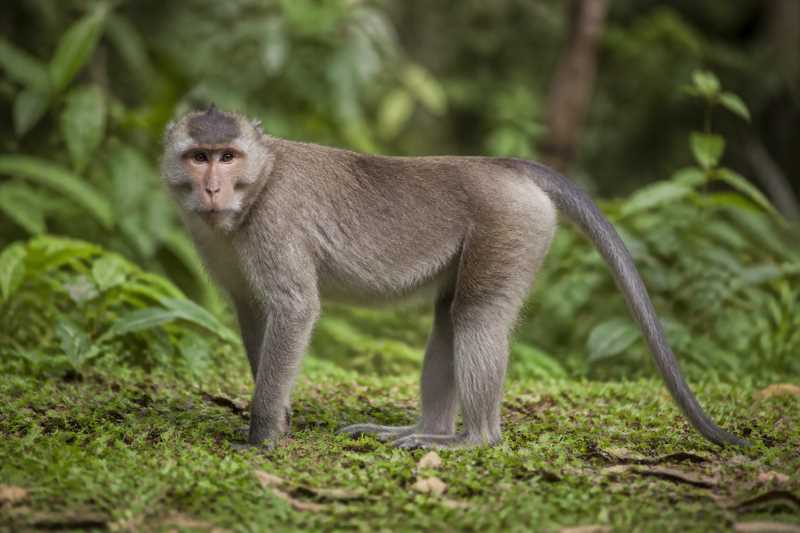
The Sela Macaque is a medium-sized primate, with adults typically weighing between 5 to 10 kilograms. They have a distinctive facial structure characterized by a short, upturned nose and expressive eyes. Their fur is predominantly grayish-brown, with lighter underparts, which provides effective camouflage in their natural habitat. The tail of the Sela Macaque is relatively short compared to other macaque species, aiding in balance and agility in their arboreal environment.
Males are generally larger than females, exhibiting slight sexual dimorphism. The physical strength and agility of the Sela Macaque allow it to navigate through the dense forests and rugged terrains they call home. Their limbs are well-adapted for climbing, with strong, dexterous fingers that aid in grasping branches and foraging for food.
Range and Habitat
The Sela Macaque is endemic to a small region of Southeast Asia, primarily found in the dense tropical and subtropical forests. These forests offer a rich biodiversity, providing ample food sources and shelter for the macaques. The species is typically found at altitudes ranging from 500 to 2,000 meters above sea level, where the climate is humid and supports a lush, vibrant ecosystem.
Their habitat is often characterized by a dense canopy, which the macaques use for protection against predators. The fragmented nature of their habitat poses significant challenges, as it limits their range and increases the risk of human-wildlife conflict. Conservation efforts are crucial to preserving these habitats and ensuring the survival of the species.
Behavior and Diet
Sela Macaques are highly social animals, living in groups that can range from a few individuals to over 50 members. These groups are typically led by a dominant male, with a complex hierarchy that dictates social interactions and mating opportunities. Communication within the group is facilitated through vocalizations, facial expressions, and body language.
Their diet is omnivorous, consisting of fruits, leaves, insects, and small vertebrates. The Sela Macaque plays a crucial role in seed dispersal, contributing to the health and regeneration of their forest habitat. Foraging is a critical daily activity, and the macaques exhibit a high degree of flexibility in their dietary preferences, adapting to seasonal availability of food sources.
Identification Tips (Field Recognition Cues)
Identifying the Sela Macaque in the wild can be challenging due to their elusive nature and the dense forest habitats they occupy. However, there are several field recognition cues that can aid in identification:
- Facial Features: Look for the distinct short, upturned nose and large, expressive eyes.
- Fur Color: Notice the grayish-brown fur with lighter underparts.
- Tail Length: The relatively short tail is a distinguishing feature compared to other macaques.
- Social Behavior: Observe the group dynamics and vocalizations, which are characteristic of their social structure.
Conservation Status (With Threats and Protections)
The Sela Macaque is currently classified as "Vulnerable" on the IUCN Red List due to habitat loss and fragmentation. The primary threats to their survival include deforestation for agriculture and urban development, as well as illegal hunting and the pet trade.
Conservation efforts are underway to protect the Sela Macaque and its habitat. These include establishing protected areas, promoting sustainable land-use practices, and raising awareness about the importance of biodiversity. Collaborative efforts between governments, NGOs, and local communities are essential to ensure the survival of this unique species.
Frequently Asked Questions
Why is this species unique?
The Sela Macaque is unique due to its distinct physical characteristics, including its short nose and expressive eyes, as well as its complex social structure. These features, combined with its limited range, make it a species of particular interest to researchers and conservationists.
How does the Sela Macaque contribute to its ecosystem?
The Sela Macaque plays a vital role in its ecosystem by aiding in seed dispersal, which helps maintain forest health and regeneration. Their foraging behavior ensures that seeds are spread across a wide area, promoting plant diversity and forest resilience.
What are the main threats to the Sela Macaque?
The primary threats to the Sela Macaque include habitat loss due to deforestation, illegal hunting, and the pet trade. These activities have led to a decline in their population, making conservation efforts critical for their survival.
How can we help protect the Sela Macaque?
Supporting conservation initiatives, promoting sustainable land-use practices, and raising awareness about the importance of biodiversity are key ways to help protect the Sela Macaque. Engaging with local communities to develop eco-friendly alternatives can also make a significant impact.
Related posts