Introduction
The Balsas Gray Mouse Opossum (Tlacuatzin balsasensis) is a small marsupial species endemic to Mexico. As a member of the Didelphidae family, this opossum plays a crucial role in the ecosystem as both a seed disperser and a part of the food chain. This article explores the unique characteristics, habitat, and conservation status of the Balsas Gray Mouse Opossum, providing a comprehensive overview for researchers, conservationists, and wildlife enthusiasts.
Physical Description
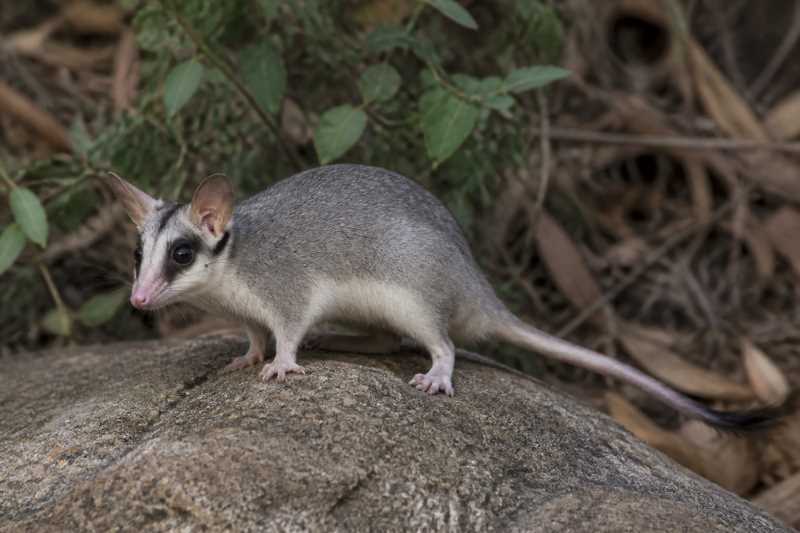
The Balsas Gray Mouse Opossum is characterized by its small size and distinctive grayish coat, which provides effective camouflage in its native habitats. Adult individuals typically measure between 10 to 15 centimeters in body length, with a prehensile tail that can add another 12 to 16 centimeters. Their fur is predominantly gray with an off-white underbelly, and they possess large, dark eyes adapted for nocturnal activity. The ears are relatively large and rounded, aiding in acute hearing, which is vital for detecting predators and prey in the dense undergrowth.
Range and Habitat
This species is primarily found in the Balsas Depression of central Mexico, which encompasses parts of the states of Guerrero, Michoacán, and Puebla. The Balsas Gray Mouse Opossum inhabits dry tropical forests and scrublands, thriving in areas with dense vegetation that offer ample cover and foraging opportunities. These marsupials prefer altitudes ranging from 200 to 2,000 meters above sea level, where they have access to a diverse array of food sources and nesting sites.
Behavior and Diet
The Balsas Gray Mouse Opossum is nocturnal and arboreal, spending most of its time in trees to avoid ground-dwelling predators. It is primarily solitary except during the breeding season. This opossum’s diet is omnivorous, consisting of fruits, insects, small vertebrates, and occasionally nectar. Its role as a seed disperser is vital for the regeneration of the forest ecosystem. The opossum’s nocturnal foraging habits help reduce competition for food resources with diurnal species.
Identification Tips (field recognition cues)
Identifying the Balsas Gray Mouse Opossum in the wild requires attention to specific characteristics:
- Size and Tail: Look for a small marsupial with a body length of 10-15 cm and a tail longer than its body, typically 12-16 cm.
- Fur Color: Note the grayish coat with a lighter underbelly, which blends well with the forest environment.
- Ears and Eyes: Large, rounded ears and prominent dark eyes are adaptations for nocturnal life.
- Behavior: Observe arboreal and nocturnal activity, often seen climbing or foraging in trees at night.
Conservation Status (with threats and protections)
The International Union for Conservation of Nature (IUCN) currently lists the Balsas Gray Mouse Opossum as "Least Concern" due to its relatively stable population. However, the species faces ongoing threats from habitat destruction, primarily due to agricultural expansion and deforestation in central Mexico. Climate change also poses a potential threat by altering the opossum’s habitat.
Conservation efforts focus on protecting the Balsas Depression’s natural habitats and promoting sustainable land-use practices. Continued research and monitoring are essential to ensure the species’ long-term survival, given the potential for habitat fragmentation and environmental changes.
Frequently Asked Questions
What is the Balsas Gray Mouse Opossum’s primary habitat?
The Balsas Gray Mouse Opossum inhabits dry tropical forests and scrublands in the Balsas Depression of central Mexico.
How does the Balsas Gray Mouse Opossum contribute to its ecosystem?
As an omnivore, it aids in seed dispersal and pest control, contributing to forest regeneration and ecological balance.
What are the main threats to the Balsas Gray Mouse Opossum?
The primary threats include habitat destruction due to agricultural activities, deforestation, and potential climate change impacts.
How can we identify the Balsas Gray Mouse Opossum in the wild?
Look for a small marsupial with a gray coat, large ears, prominent eyes, and a long prehensile tail, often active at night in trees.
Is the Balsas Gray Mouse Opossum endangered?
Currently, it is classified as "Least Concern" but faces threats from habitat destruction and requires ongoing conservation efforts.
Related posts