Long-nosed Short-tailed Opossum (Monodelphis pinocchio): A Comprehensive Overview
Introduction
The Long-nosed Short-tailed Opossum, scientifically known as Monodelphis pinocchio, is a fascinating mammal species that has captured the interest of biologists and wildlife enthusiasts alike. This diminutive marsupial is a member of the Didelphidae family, which is famed for its diverse array of small to medium-sized opossums. Monodelphis pinocchio is notable not only for its distinctive physical characteristics but also for its unique ecological role within its habitat. This article delves into the various aspects of this captivating creature, from its physical description to its conservation status, providing a comprehensive resource for anyone interested in learning more about this species.
Physical Description
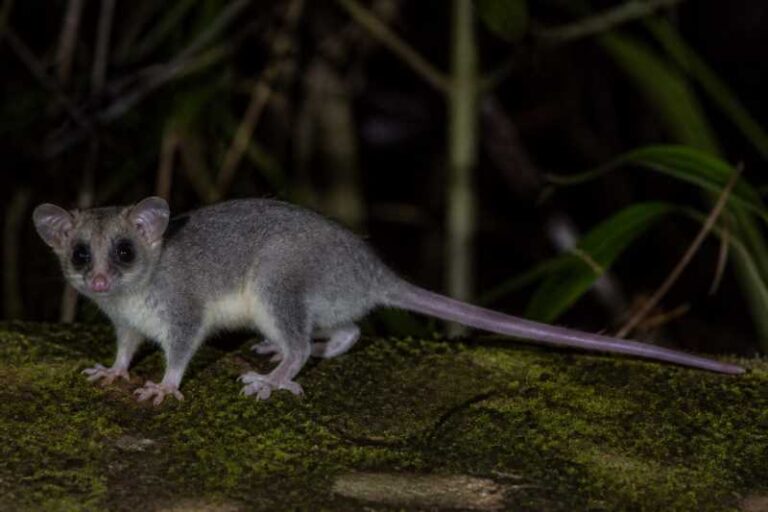
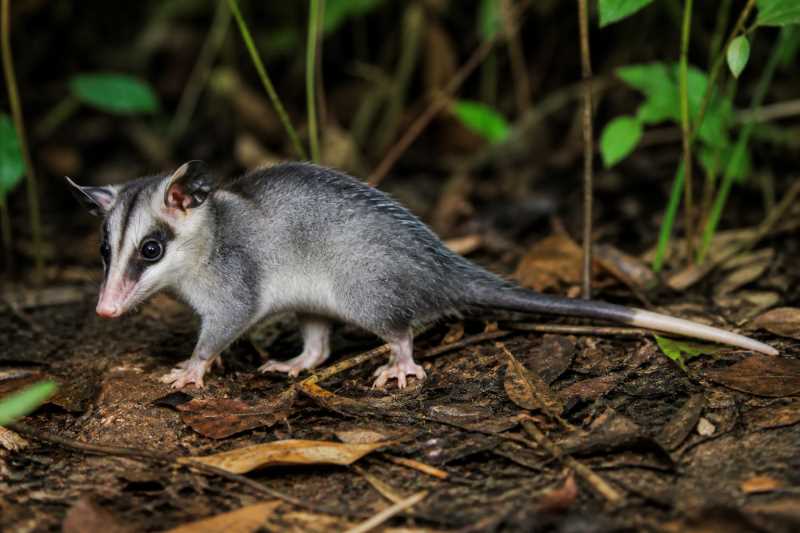
The Long-nosed Short-tailed Opossum is aptly named for its most distinguishing features: a notably elongated snout and a comparatively short tail. This species is relatively small, with adults typically weighing between 30 to 50 grams and measuring approximately 10 to 15 centimeters in body length. The tail adds an additional 5 to 10 centimeters, though it is shorter relative to the body compared to other opossum species.
The opossum’s fur is a blend of gray and brown hues, providing effective camouflage against the forest floor’s leaf litter. The fur is soft and dense, offering insulation against temperature fluctuations. The elongated snout is equipped with highly sensitive whiskers that aid in detecting prey and navigating through dense underbrush. The eyes are small and beady, adapted for its nocturnal lifestyle, while the ears are rounded and relatively large, enhancing its auditory capabilities.
Range and Habitat
Monodelphis pinocchio is predominantly found in the tropical and subtropical regions of South America. Its range spans across the Amazon Basin, encompassing parts of Brazil, Peru, and Bolivia. The species thrives in lowland rainforests, preferring areas with dense vegetation that offer ample cover and abundant food resources.
These opossums are typically ground-dwellers, although they are capable of climbing trees when necessary. Their preferred habitats include forest edges and areas with a thick understory, where they can easily forage for insects and other small invertebrates. The opossum’s presence in these ecosystems highlights its role in maintaining ecological balance, particularly in controlling insect populations.
Behavior and Diet
The Long-nosed Short-tailed Opossum is primarily nocturnal, emerging at night to forage for food. Its diet consists mainly of insects, spiders, and other small invertebrates, making it an insectivore. Occasionally, it may consume small vertebrates or fruits, depending on availability and nutritional needs.
Socially, this species is relatively solitary, with individuals maintaining specific territories that they defend against intruders. Territory sizes can vary based on resource availability, with more abundant areas supporting smaller territorial ranges. Communication between individuals is minimal but can include vocalizations and scent marking to convey territorial boundaries and reproductive status.
Reproduction in Monodelphis pinocchio is seasonal, with breeding typically occurring during the wet season when food resources are most plentiful. Females give birth to litters of up to eight young after a short gestation period. The young opossums are altricial, meaning they are born underdeveloped and require extensive parental care before becoming independent.
Identification Tips
Recognizing the Long-nosed Short-tailed Opossum in the field requires attention to several key identification cues:
- Nose and Tail: As the name suggests, look for the characteristic long snout and short tail relative to body length.
- Fur Coloration: Observe the gray-brown fur, which serves as effective camouflage against the forest floor.
- Size: Note the small size and compact body, typical of adults weighing 30 to 50 grams.
- Activity Patterns: Spotting this opossum is more likely at night due to its nocturnal habits.
- Habitat: Search in dense, lowland rainforest areas with thick underbrush for a higher likelihood of encountering this species.
Conservation Status
The conservation status of the Long-nosed Short-tailed Opossum is currently classified as Data Deficient by the International Union for Conservation of Nature (IUCN). This classification indicates that there is insufficient information available to make a direct assessment of its risk of extinction.
Threats
Despite the lack of comprehensive data, several potential threats to this species have been identified. Habitat destruction due to deforestation poses a significant risk, as it reduces the available living space and food resources critical for survival. Additionally, climate change may alter the habitat conditions, further impacting its ability to thrive.
Protections
Conservation efforts aimed at preserving the natural habitats within the Amazon Basin indirectly benefit Monodelphis pinocchio. Protected areas and national parks help safeguard large stretches of rainforest, providing a refuge for this and many other species. Ongoing research and monitoring are essential to better understand the population dynamics and ecological needs of this opossum, ensuring informed conservation strategies can be developed.
Frequently Asked Questions
What is the diet of the Long-nosed Short-tailed Opossum?
The Long-nosed Short-tailed Opossum primarily feeds on insects, spiders, and other small invertebrates. Occasionally, it may consume small vertebrates or fruits, depending on availability.
How can I identify Monodelphis pinocchio in the wild?
Look for its long snout and short tail, gray-brown fur, and small size. It is nocturnal, so search in dense rainforest habitats at night for better chances of spotting it.
What are the main threats to Monodelphis pinocchio?
The primary threats include habitat destruction due to deforestation and the potential impacts of climate change, which may alter its habitat conditions.
Where can the Long-nosed Short-tailed Opossum be found?
This opossum is found in the Amazon Basin, across parts of Brazil, Peru, and Bolivia, primarily inhabiting lowland rainforests with dense vegetation.
Is the Long-nosed Short-tailed Opossum endangered?
Currently, it is classified as Data Deficient by the IUCN, meaning there isn’t enough information to determine its exact risk of extinction, but habitat protection is crucial.
Related posts