The Lowland White-eye: A Fascinating Avian Gem of the Tropics
The Lowland White-eye, scientifically known as Zosterops meyeni, is a captivating bird species that has intrigued ornithologists and bird enthusiasts alike. This diminutive bird, belonging to the Zosteropidae family, is notable for its distinctive white eye-ring and vibrant plumage, making it a visual delight in its natural habitat. This article delves into the biology, behavior, and conservation status of the Lowland White-eye, offering a comprehensive overview of this remarkable avian species.
Taxonomy and Distribution
The Lowland White-eye is part of the larger genus Zosterops, which encompasses more than 100 species primarily distributed across the tropical regions of Africa, Asia, and the Pacific Islands. Zosterops meyeni is predominantly found in the lowland forests and coastal regions of the Philippines, where it thrives in a variety of habitats ranging from mangroves to agricultural lands.
Physical Characteristics
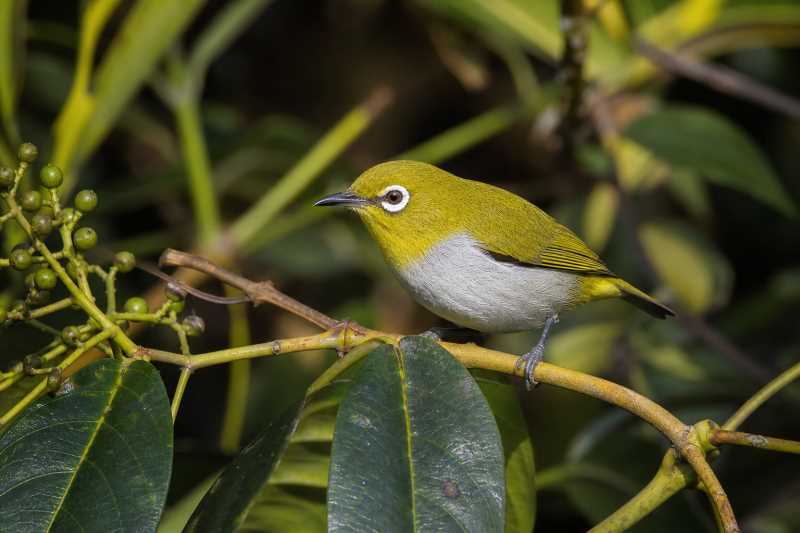
The Lowland White-eye is a small bird, typically measuring between 10 to 12 centimeters in length. Its most distinguishing feature is the conspicuous white eye-ring, which contrasts sharply with its olive-green upperparts and yellowish underparts. This eye-ring gives the bird its common name and serves as an important identification marker. The bird’s wings and tail are relatively short, adapted for agile movement through dense foliage.
Behavior and Ecology
Zosterops meyeni is a highly social and gregarious species, often observed in flocks ranging from small family groups to larger aggregations. These birds are known for their acrobatic foraging behavior, adeptly gleaning insects and nectar from leaves and flowers. The Lowland White-eye plays a crucial role in its ecosystem as a pollinator, contributing to the reproduction of various flowering plants.
Their diet is omnivorous, consisting mainly of insects, fruits, and nectar. The bird’s feeding habits vary with the availability of resources, and they have been observed to adapt their diet according to seasonal changes.
Reproduction and Life Cycle
The breeding season of the Lowland White-eye generally coincides with the onset of the rainy season, which ensures an abundance of food resources for raising their young. The species is monogamous, with pairs forming strong bonds that often last for several breeding seasons. Nests are typically cup-shaped and constructed from fine grasses and spider silk, strategically placed in dense foliage to provide concealment from predators.
Females lay between two to four eggs, which are incubated by both parents. The incubation period lasts approximately 10 to 12 days, followed by a fledgling period of about two weeks. Both parents are actively involved in feeding and caring for the chicks, ensuring a high survival rate.
Conservation Status
The Lowland White-eye is currently classified as a species of Least Concern by the IUCN Red List. However, like many other bird species, it faces threats from habitat loss due to deforestation and land conversion for agriculture and urban development. Conservation efforts are essential to preserve its natural habitats and ensure the species’ long-term survival.
Local and international conservation organizations are working to raise awareness about the importance of preserving the Philippines’ unique biodiversity. Initiatives such as reforestation projects and the establishment of protected areas are crucial in safeguarding the habitats of the Lowland White-eye and other endemic species.
Conclusion
The Lowland White-eye is a testament to the rich biodiversity found in the tropics, serving as an indicator of ecosystem health and resilience. Its vibrant presence and ecological role underscore the importance of conservation efforts in maintaining the delicate balance of tropical ecosystems. As we continue to learn more about this fascinating species, it is imperative to support strategies that protect and preserve the natural world for future generations.
The Lowland White-eye, with its striking appearance and ecological significance, continues to inspire wonder and admiration. By fostering an appreciation for such species, we can cultivate a greater commitment to conserving the natural habitats that sustain them.
Related posts