Ashy Tailorbird (Orthotomus ruficeps): A Detailed Exploration
The Ashy Tailorbird, known scientifically as Orthotomus ruficeps, is a fascinating avian species that inhabits the lush tropical forests of Southeast Asia. This small passerine is renowned not just for its distinctive physical characteristics but also for its unique nesting habits. In this comprehensive article, we delve into the various aspects of the Ashy Tailorbird, exploring its habitat, behavior, diet, reproduction, and conservation status.
Habitat and Distribution
The Ashy Tailorbird thrives in the subtropical and tropical lowland forests of Southeast Asia, particularly in countries such as Thailand, Malaysia, and Indonesia. These birds are also found in mangroves, plantations, and secondary growth areas, showcasing their adaptability to different environments. Their preference for dense undergrowth and low shrubbery makes them somewhat elusive, although their vocalizations often reveal their presence to keen birdwatchers.
Physical Characteristics
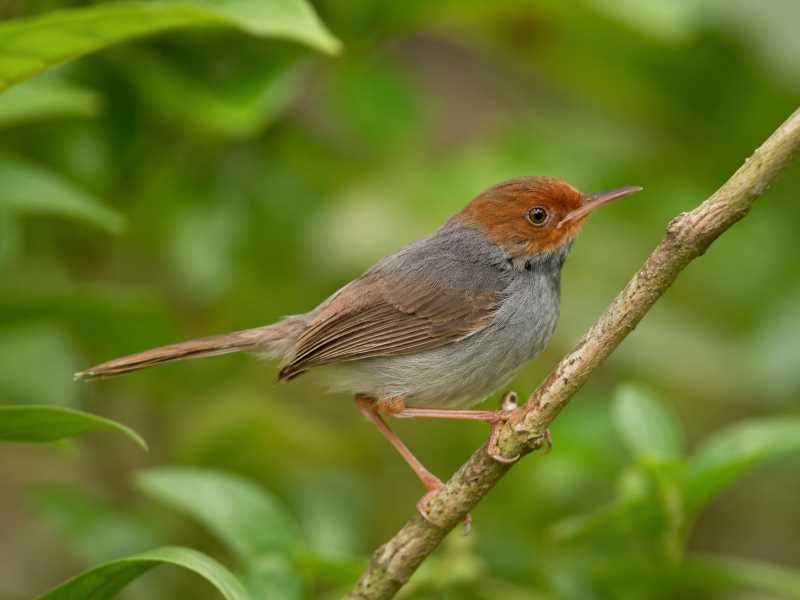
The Ashy Tailorbird measures approximately 12 to 13 centimeters in length, making it a relatively small bird. It boasts a vibrant plumage, with the upperparts characterized by a distinctive ashy gray color, while the underparts are typically white or pale buff. The bird’s rufous crown and nape are its most prominent features, giving it the name ‘ruficeps’, derived from Latin, meaning ‘red head’. The bird’s wings and tail are short and rounded, adapted for maneuvering through dense foliage.
Behavior and Vocalizations
Ashy Tailorbirds are known for their active and restless behavior. They often flit through the underbrush with agility, searching for insects and small invertebrates. These birds are also highly vocal, producing a series of high-pitched chirps and calls that play a crucial role in communication among the species. Their calls are often described as sharp and penetrating, serving as an important tool for maintaining territory and attracting mates.
Diet and Feeding Habits
The diet of the Ashy Tailorbird primarily consists of insects and small arthropods, which they skillfully glean from leaves and branches. Their feeding technique is characterized by quick, darting movements, allowing them to capture prey with precision. Occasionally, they may also consume small amounts of nectar and fruits, particularly during periods of insect scarcity.
Reproduction and Nesting
One of the most intriguing aspects of the Ashy Tailorbird is its nesting behavior. True to their name, tailorbirds use their beaks as needles to sew together leaves, creating a secure and camouflaged nest. This intricate process involves piercing the edges of large leaves and weaving plant fibers or spider silk to bind them together. The resulting nest is typically cup-shaped, providing a safe haven for their eggs and chicks.
Breeding occurs primarily during the wet season, when food resources are abundant. The female usually lays two to four eggs, which are incubated for about 12 to 14 days. Both parents participate in feeding the chicks, which fledge after approximately two weeks.
Conservation Status
The Ashy Tailorbird is currently classified as a species of Least Concern by the International Union for Conservation of Nature (IUCN). This status reflects their widespread distribution and stable population trends. However, habitat destruction and degradation, particularly in the form of deforestation and land conversion for agriculture, pose potential threats to their habitats. Conservation efforts focused on preserving forested areas and promoting sustainable land use are essential to ensure the long-term survival of this species.
Conclusion
The Ashy Tailorbird is a captivating example of the diversity and adaptability of avian life in Southeast Asia. Its unique nesting behavior, vibrant plumage, and melodic calls make it a subject of interest for ornithologists and bird enthusiasts alike. As we continue to learn more about this remarkable species, it is crucial to support conservation initiatives that protect the delicate ecosystems it calls home.
In summary, the Ashy Tailorbird is not just a testament to the intricate beauty of nature but also a reminder of the importance of preserving the habitats that sustain such incredible biodiversity.
References
– BirdLife International (2021). Species factsheet: Orthotomus ruficeps.
– del Hoyo, J., Elliott, A., & Christie, D. (2006). Handbook of the Birds of the World, Vol. 11.
– Wells, D. R. (1999). The Birds of the Thai-Malay Peninsula.
Related posts