The Enigmatic Spectacled Parrotbill: A Comprehensive Insight
The Spectacled Parrotbill (Suthora conspicillata), a small yet captivating avian species, continues to intrigue ornithologists and bird enthusiasts alike. With its distinctive appearance and elusive nature, this bird represents an important piece of the ecological puzzle in its native habitats. This article delves into the various aspects of the Spectacled Parrotbill, from its physical characteristics and habitat to its behavior and conservation status.
Physical Characteristics
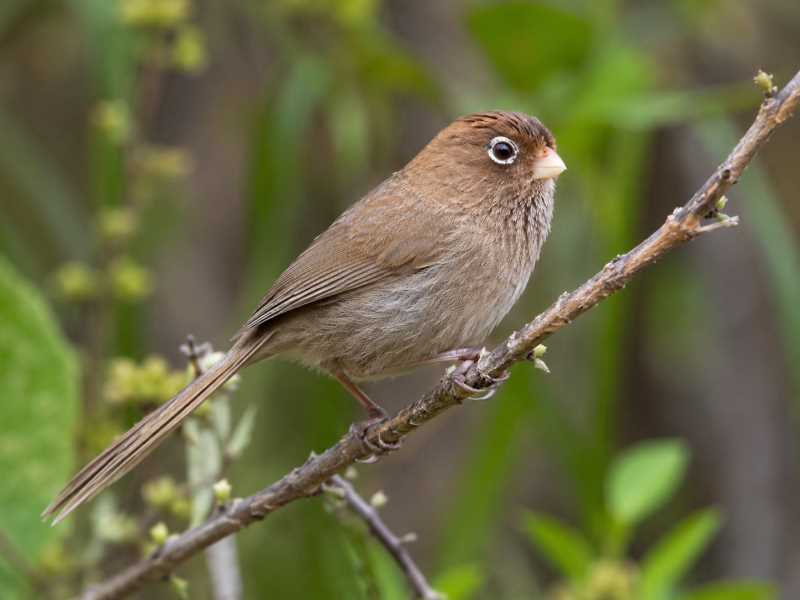
The Spectacled Parrotbill is easily distinguished by its unique facial markings, which resemble spectacles, giving the bird its common name. This feature is accentuated by a combination of white and black feathers encircling its eyes, contrasting sharply with the rest of its plumage. The bird typically sports a combination of brown, olive, and grey hues across its body, blending seamlessly into its arboreal environment.
Measuring approximately 12 to 14 centimeters in length, the Spectacled Parrotbill boasts a robust and curved beak, a characteristic shared by other members of the family Paradoxornithidae. This adaptation is particularly advantageous for its feeding habits, allowing it to efficiently forage for seeds and insects within its habitat.
Habitat and Distribution
Endemic to the subtropical and temperate forests of China, the Spectacled Parrotbill favors dense thickets and undergrowth, which provide both food and shelter. These habitats are often found in mountainous regions, ranging from the Sichuan Basin to the eastern fringes of the Qinghai-Tibet Plateau. The bird’s preference for such environments underscores its reliance on specific ecological conditions, highlighting the importance of these forests for its survival.
The distribution of the Spectacled Parrotbill is relatively localized, with populations concentrated in specific areas. This limited range makes the species particularly vulnerable to habitat loss and environmental changes. As human activities continue to encroach upon these ecosystems, understanding and preserving the natural habitat of the Spectacled Parrotbill becomes increasingly crucial.
Behavior and Diet
The Spectacled Parrotbill is known for its social behavior, often observed in small flocks that exhibit a high degree of cohesion. These groups engage in cooperative foraging, utilizing their collective knowledge to locate and exploit food sources effectively. The bird’s diet primarily consists of seeds, berries, and small invertebrates, which it skillfully extracts from foliage using its specialized beak.
Vocal communication plays a significant role in the social dynamics of the Spectacled Parrotbill. The species is known for its varied and melodious calls, which serve not only to maintain contact within the flock but also to establish territory and attract mates. These vocalizations are an essential aspect of the bird’s behavior, facilitating the complex social interactions that underpin its daily life.
Reproduction and Lifespan
The breeding season for the Spectacled Parrotbill typically occurs from April to July, coinciding with the abundance of food resources in its habitat. During this period, pairs engage in elaborate courtship displays, which include song duets and synchronized movements. These rituals culminate in the construction of a nest, usually located within dense vegetation to provide concealment from predators.
Clutch sizes generally consist of three to five eggs, with both parents sharing responsibilities for incubation and chick-rearing. The cooperative nature of these activities highlights the strong pair bonds that characterize the species. After hatching, chicks remain in the nest for approximately two weeks before fledging, during which time they are fed a diet rich in protein to support their rapid growth.
Conservation Status
Currently, the Spectacled Parrotbill is classified as a species of Least Concern by the International Union for Conservation of Nature (IUCN). However, its reliance on specific forest habitats makes it susceptible to threats such as deforestation and habitat fragmentation. The increasing pace of urbanization, agricultural expansion, and infrastructure development in regions where the bird resides exacerbates these threats, underscoring the need for proactive conservation measures.
Efforts to preserve the Spectacled Parrotbill’s habitat are vital for its continued survival. Initiatives such as the establishment of protected areas and the promotion of sustainable land-use practices can help mitigate the impacts of human activities. Additionally, further research into the species’ ecology and behavior is essential to inform conservation strategies and ensure the long-term viability of its populations.
Conclusion
The Spectacled Parrotbill remains a fascinating subject of study, with its distinctive appearance and complex social behaviors offering valuable insights into avian ecology. As pressures on its habitat intensify, the need for concerted conservation efforts becomes ever more apparent. By safeguarding the natural environments that this species calls home, we not only secure its future but also preserve the rich biodiversity that these ecosystems support.
In conclusion, the Spectacled Parrotbill stands as a testament to the intricate interconnections within nature, reminding us of the importance of protecting our planet’s diverse wildlife. Through continued research and conservation efforts, we can ensure that this remarkable bird continues to grace our forests for generations to come.
Related posts