Introduction
Hume’s Hadromys (Hadromys humei) is a lesser-known rodent species belonging to the family Muridae. Named after the renowned British ornithologist Allan Octavian Hume, this elusive creature is found in select regions of South Asia. Although it may not be as famous as some of its rodent relatives, Hume’s Hadromys plays a vital role in its ecosystem. This article delves into the various aspects of this intriguing mammal, covering its physical characteristics, habitat preferences, behavior, and conservation status.
Physical Description
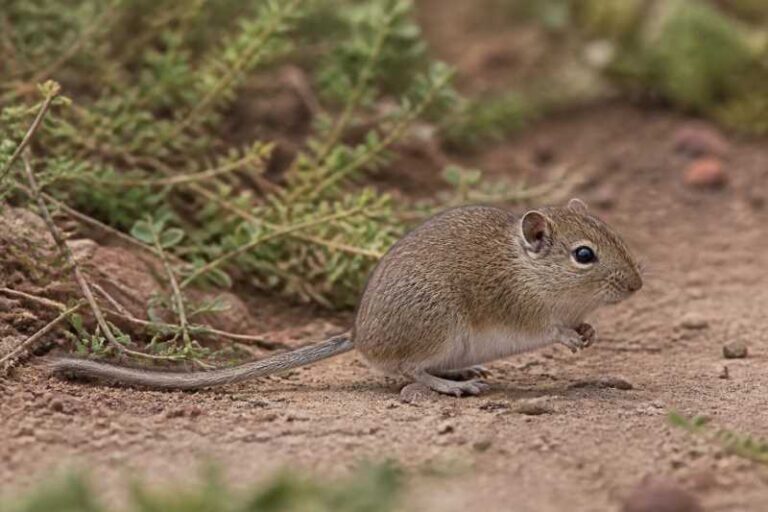
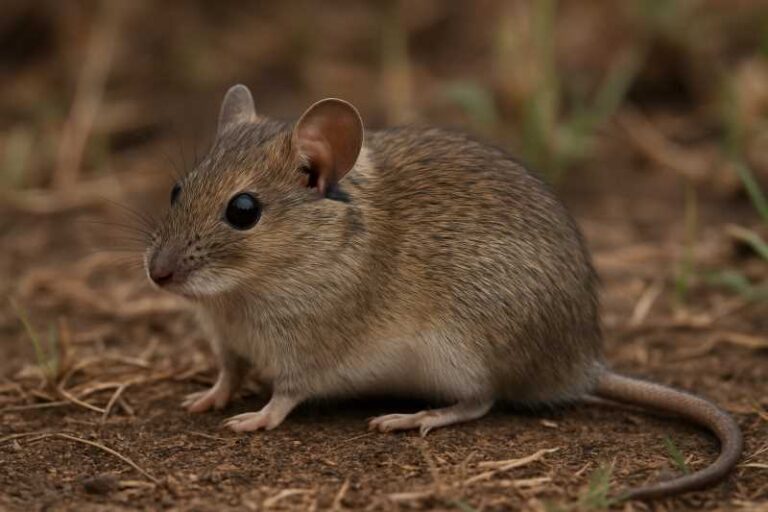
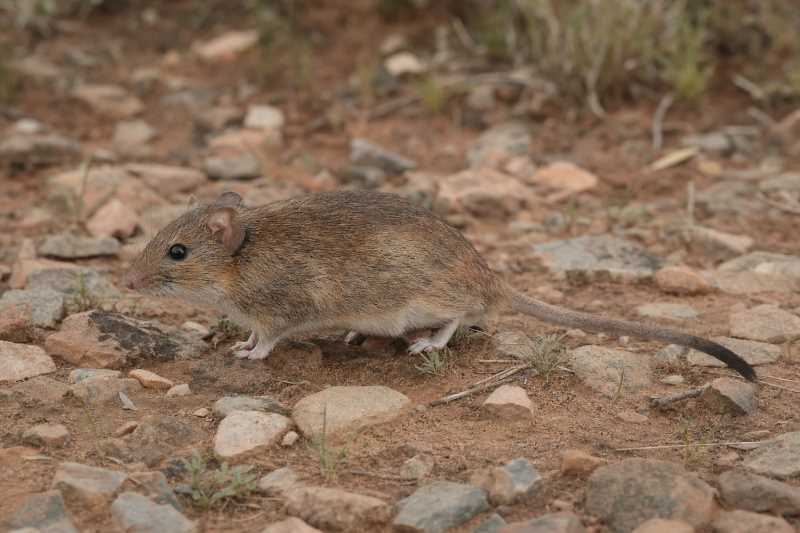
Hume’s Hadromys is a small rodent, typically measuring between 10 to 15 centimeters in length, excluding its tail, which can add an additional 8 to 12 centimeters. Its body is covered with soft, dense fur that is usually grayish-brown, enabling it to blend seamlessly into its natural surroundings. The underbelly is generally lighter in color, often a pale gray or white.
One of the distinguishing features of Hume’s Hadromys is its large, rounded ears, which are highly sensitive and aid in detecting predators. Its eyes are relatively large, providing excellent night vision, a crucial adaptation for its nocturnal lifestyle. The whiskers are long and highly sensitive, helping the rodent navigate its environment and locate food in the dark.
Range and Habitat
Hume’s Hadromys is predominantly found in the subtropical and tropical forests of South Asia, particularly in regions of northeastern India and parts of Myanmar. Its habitat preference includes dense undergrowth and forested areas where it can find ample cover and food resources. These rodents are usually found at elevations ranging from 200 to 1,500 meters above sea level.
The species thrives in environments where there is a rich diversity of plant life, providing both food and shelter. The presence of fallen logs, leaf litter, and dense vegetation are critical components of its habitat, offering protection from predators and harsh weather conditions.
Behavior and Diet
Hume’s Hadromys is primarily nocturnal, meaning it is most active during the night. This behavior helps it avoid many predators that are active during the day. It is a solitary creature, except during the breeding season when males and females come together to mate.
The diet of Hume’s Hadromys is largely omnivorous, consisting of seeds, fruits, insects, and small invertebrates. Its foraging habits play a significant role in seed dispersal, contributing to the health and regeneration of its forest habitat. The rodent’s diet may vary depending on the availability of food resources and seasonal changes.
Identification Tips (Field Recognition Cues)
Identifying Hume’s Hadromys in the wild can be challenging due to its elusive nature and nocturnal habits. However, certain features can aid in its recognition:
- Size and Build: Look for a small rodent with a body length of 10 to 15 centimeters, not including the tail.
- Coloration: Note the grayish-brown fur with a lighter underbelly.
- Ears and Eyes: Large, rounded ears and prominent eyes are key identifiers.
- Whiskers: Long and sensitive whiskers are a distinctive feature.
- Habitat: Search in dense, forested areas with ample ground cover.
Conservation Status (With Threats and Protections)
Currently, Hume’s Hadromys is listed as "Least Concern" by the International Union for Conservation of Nature (IUCN). However, this status does not mean the species is free from threats. Habitat destruction due to deforestation and land conversion for agriculture poses significant risks to its population.
Efforts to protect Hume’s Hadromys include habitat conservation initiatives and legal protections in certain regions where it is found. Conservationists advocate for sustainable forest management practices to ensure the preservation of this species and its habitat. Raising awareness about the ecological role of Hume’s Hadromys is also crucial in garnering support for its conservation.
Frequently Asked Questions
Why is this species unique?
Hume’s Hadromys is unique due to its specialized adaptations for a nocturnal lifestyle and its role in seed dispersal, which aids in forest regeneration. Its elusive nature and limited geographical range also add to its uniqueness.
What are the main threats to Hume’s Hadromys?
The primary threats to Hume’s Hadromys include habitat destruction from deforestation and agricultural expansion. These activities reduce the availability of suitable habitats and resources for the species.
How can we help conserve Hume’s Hadromys?
Conservation efforts can be supported by advocating for sustainable forest management, participating in reforestation projects, and raising public awareness about the importance of protecting this species and its habitat.
What role does Hume’s Hadromys play in its ecosystem?
As an omnivorous forager, Hume’s Hadromys plays a crucial role in seed dispersal and insect population control, contributing to the ecological balance and health of its forest habitat.
Related posts