Introduction
Rahm’s Brush-furred Rat (Lophuromys rahmi) is a fascinating species of rodent belonging to the Muridae family. Known for its distinctive fur and adaptive behaviors, this rat species is primarily found in the central African region. Although rodents often have a negative reputation, Rahm’s Brush-furred Rat plays a vital role in its ecosystem by participating in seed dispersal and soil aeration. This comprehensive article delves into the various aspects of Lophuromys rahmi, highlighting its physical characteristics, habitat, behaviors, and conservation status.
Physical Description
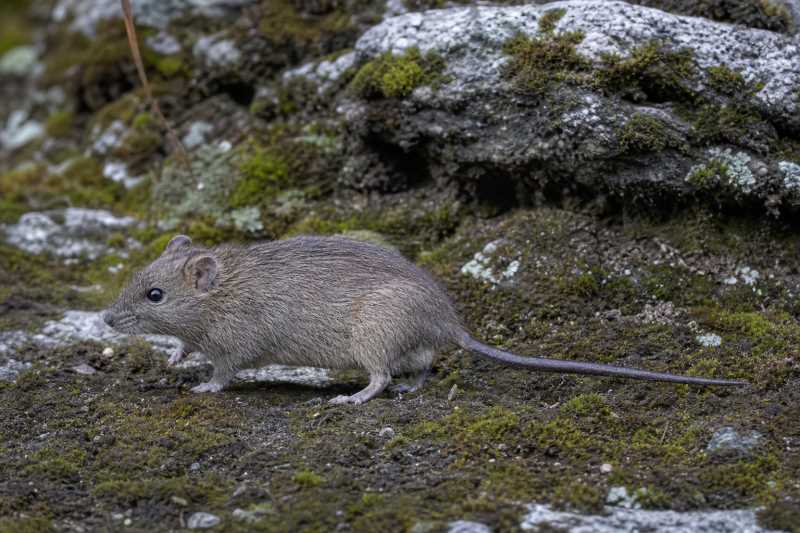
Rahm’s Brush-furred Rat is notable for its dense, bristle-like fur, which sets it apart from other rodent species. The fur is typically a mix of brown and gray, providing excellent camouflage against the forest floor. Adult rats measure approximately 12 to 15 cm in body length, with a tail length of an additional 8 to 10 cm. This tail-to-body proportion aids in balance and agility as they navigate through their arboreal habitats. The ears are small and rounded, while the eyes are relatively large, reflecting their nocturnal nature. Furthermore, their robust incisors are adapted for gnawing on tough plant materials.
Range and Habitat
Lophuromys rahmi is predominantly found in the dense forests of Central Africa, including regions in the Democratic Republic of the Congo, Uganda, and Rwanda. These rats thrive in humid, tropical environments where they can easily find food and shelter. They are often spotted in areas with dense undergrowth, which provides cover from predators and harsh weather conditions. Their preference for high-altitude regions, typically between 1,000 and 2,500 meters above sea level, makes them a unique subject of study regarding altitudinal adaptation.
Behavior and Diet
Rahm’s Brush-furred Rat is primarily nocturnal, foraging for food during the night when predators are less active. Their diet consists mainly of seeds, fruits, and insects, making them omnivorous. This varied diet plays a crucial role in forest ecology, as they help in seed dispersal and pest control. Socially, these rats are solitary but may be seen in small groups during breeding seasons. They communicate through vocalizations, scent markings, and physical gestures, which are crucial for mating and territory establishment.
Identification Tips (Field Recognition Cues)
Identifying Rahm’s Brush-furred Rat in the wild can be challenging due to its elusive nature and camouflaged appearance. However, there are specific cues that can aid in recognition:
- Fur Texture: Look for the distinctive brush-like texture of their fur.
- Size and Proportions: Note the body length (12-15 cm) and the slightly shorter tail.
- Habitat Preference: They are often found in dense undergrowth at high altitudes.
- Activity Patterns: Primarily active at night, so sightings are more common during nocturnal surveys.
Conservation Status (With Threats and Protections)
According to the IUCN Red List, Rahm’s Brush-furred Rat is currently listed as a species of "Least Concern." However, this status does not imply that they are free from threats. Habitat destruction due to logging, agriculture, and human settlement expansion poses significant risks to their populations. Additionally, climate change impacts their high-altitude habitats, potentially leading to shifts in their range. Conservation efforts focus on habitat preservation and monitoring population trends to ensure their continued survival.
Frequently Asked Questions
1. What is the primary diet of Rahm’s Brush-furred Rat? Rahm’s Brush-furred Rat is omnivorous, feeding on seeds, fruits, and insects. This varied diet helps maintain ecological balance by facilitating seed dispersal and controlling insect populations.
2. Where can Rahm’s Brush-furred Rat be found? This species is primarily located in Central Africa, including the Democratic Republic of the Congo, Uganda, and Rwanda, thriving in dense forested and high-altitude areas.
3. How does Rahm’s Brush-furred Rat contribute to the ecosystem? As seed dispersers and insect predators, Rahm’s Brush-furred Rats play a vital role in maintaining healthy forest ecosystems and supporting biodiversity.
4. What are the main threats to Rahm’s Brush-furred Rat? Habitat destruction due to human activities and climate change effects are the primary threats to this species, impacting their natural habitat and food availability.
5. How can Rahm’s Brush-furred Rat be identified in the wild? Look for their distinctive brush-like fur texture, nocturnal activity, and preference for high-altitude, dense forested areas to identify them in their natural habitat.
Related posts