Introduction
The Bomi Mountain Vole, scientifically known as Neodon bomiensis, is a fascinating small mammal that has garnered interest among researchers and wildlife enthusiasts alike. This elusive rodent belongs to the Cricetidae family and is primarily found in the mountainous regions of Tibet. Its unique adaptations to high-altitude environments make it a subject of ecological and biological significance. This article delves into the various aspects of the Bomi Mountain Vole, from its physical characteristics to its habitat preferences, and offers insights into its behavior, diet, and conservation status.
Physical Description
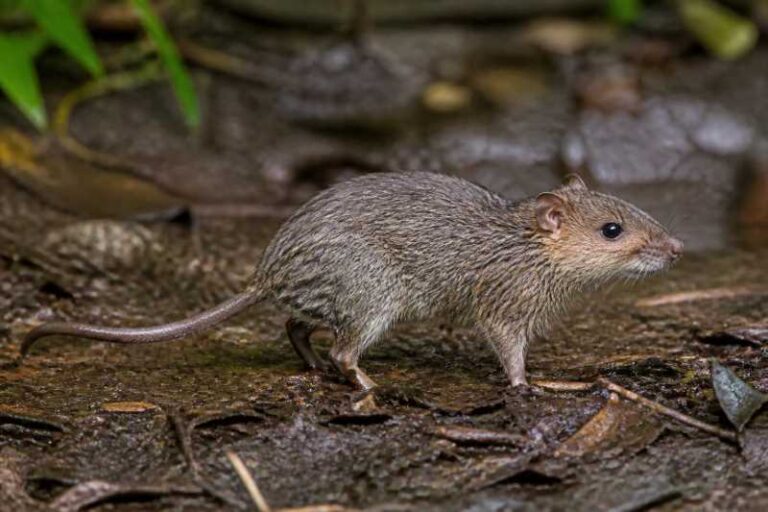
The Bomi Mountain Vole is a small rodent, typically measuring between 8 to 12 centimeters in body length, with a tail that ranges from 2 to 3 centimeters. The species has a compact and robust body structure, which is well-suited to its mountainous habitat. Its fur is dense and soft, providing insulation against the cold temperatures of high-altitude regions. The coloration is generally a mix of gray and brown, which offers excellent camouflage against the rocky terrain and sparse vegetation.
One of the distinguishing features of the Bomi Mountain Vole is its relatively large eyes, which enhance its vision in the low-light conditions of its habitat. Additionally, it has a short and rounded snout, along with small, rounded ears that minimize heat loss. The vole’s limbs are short but strong, allowing it to navigate the rugged terrain effectively.
Range and Habitat
The Bomi Mountain Vole is endemic to the Tibetan Plateau, specifically within the Bomi County region. This area is characterized by its high-altitude environments, with elevations ranging from 3,000 to 5,000 meters. The vole inhabits alpine meadows and rocky outcrops, where it can find shelter and sustenance.
These voles are well-adapted to their cold and often harsh environment. The alpine meadows offer a variety of grasses and herbaceous plants that constitute the primary diet of the species. The rocky outcrops and crevices provide protection from predators and extreme weather conditions, making them ideal habitats for the Bomi Mountain Vole.
Behavior and Diet
The Bomi Mountain Vole is primarily a herbivore, with its diet consisting mainly of grasses, leaves, and seeds. During the warmer months, it takes advantage of the abundance of plant material available in the alpine meadows. In the colder months, when food is scarce, the vole relies on stored food and may even feed on bark and roots to survive.
Behaviorally, the Bomi Mountain Vole is known for its burrowing habits. It constructs intricate tunnel systems underground, which serve as shelters and storage areas for food. These burrows also provide protection from predators and harsh weather. The vole is generally more active during the day, although it can also exhibit crepuscular and nocturnal activity patterns, especially during the summer months.
Socially, the Bomi Mountain Vole is relatively solitary, with individuals maintaining distinct territories. However, during the breeding season, which typically occurs in the spring, males and females come together to mate. Litters usually consist of 3 to 5 young, which are raised by the female until they are old enough to fend for themselves.
Identification Tips (Field Recognition Cues)
Identifying the Bomi Mountain Vole in the field requires careful observation due to its elusive nature. Here are some key identification tips:
- Size and Shape: Look for a small, compact rodent with a body length of 8 to 12 centimeters and a short tail.
- Fur Coloration: Note the gray-brown fur that blends well with the rocky and grassy environments.
- Ears and Eyes: Observe the small, rounded ears and relatively large eyes, which are adaptations to its habitat.
- Habitat: Focus on alpine meadows and rocky areas at high altitudes where the vole is most likely to be found.
- Burrow Systems: Search for intricate burrow systems with multiple entrances, a hallmark of the Bomi Mountain Vole’s presence.
Conservation Status (With Threats and Protections)
The conservation status of the Bomi Mountain Vole is currently assessed as Least Concern by the International Union for Conservation of Nature (IUCN). However, the species faces several threats that could impact its population in the future.
Threats
- Habitat Loss: The expansion of agricultural activities and infrastructure development in the Tibetan Plateau poses a significant threat to the vole’s habitat.
- Climate Change: Alterations in temperature and precipitation patterns could affect the availability of food resources and suitable habitats.
- Predation: While natural predation is a part of the vole’s ecosystem, increased predation from domestic animals such as cats and dogs can pose additional pressures.
Protections
Efforts to conserve the Bomi Mountain Vole include:
- Protected Areas: Establishment of protected areas within its range to safeguard critical habitats.
- Research and Monitoring: Ongoing research to monitor population trends and ecological requirements.
- Community Engagement: Involving local communities in conservation efforts to promote sustainable land-use practices.
Frequently Asked Questions
What is the primary diet of the Bomi Mountain Vole?
The Bomi Mountain Vole primarily feeds on grasses, leaves, and seeds found in its alpine meadow habitat. In winter, it may consume bark and roots.
How does the Bomi Mountain Vole adapt to its high-altitude environment?
The vole has dense fur for insulation, a compact body to reduce heat loss, and burrows for shelter and food storage, all adaptations to its cold, high-altitude habitat.
Are Bomi Mountain Voles social animals?
Bomi Mountain Voles are relatively solitary, with individuals maintaining separate territories. They come together primarily for breeding purposes.
What are the main threats to the Bomi Mountain Vole?
The main threats include habitat loss due to agriculture and development, climate change affecting food and habitat availability, and increased predation by domestic animals.
Where can the Bomi Mountain Vole be found?
The Bomi Mountain Vole is endemic to the Tibetan Plateau, particularly in the Bomi County region, where it inhabits alpine meadows and rocky outcrops.
Related posts