Creighton’s Slender Opossum (Marmosops creightoni): A Comprehensive Guide
Introduction
Creighton’s Slender Opossum, scientifically known as Marmosops creightoni, is a fascinating and lesser-known species of opossum that inhabits the neotropical regions of South America. These small marsupials are a crucial part of the ecosystem, contributing to seed dispersal and insect population control. Despite their ecological importance, they remain elusive and are often overshadowed by their more famous relatives such as the Virginia opossum. This article delves into the various aspects of Creighton’s Slender Opossum, from its physical characteristics to its conservation status, providing a comprehensive understanding of this unique species.
Physical Description
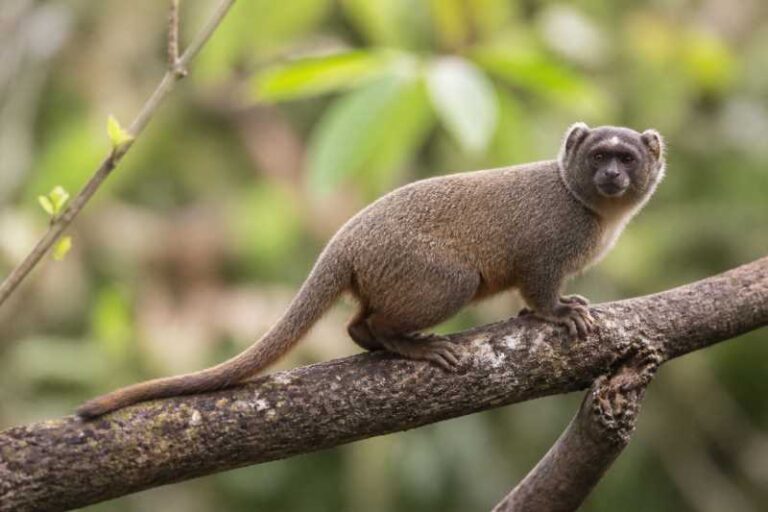
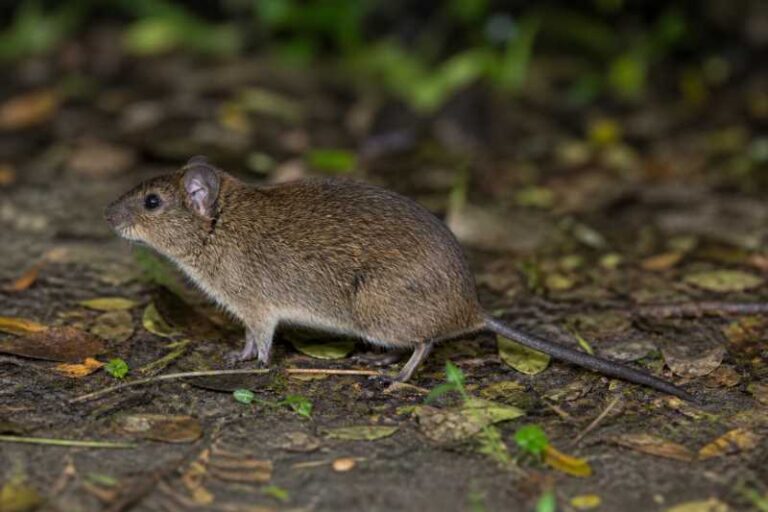
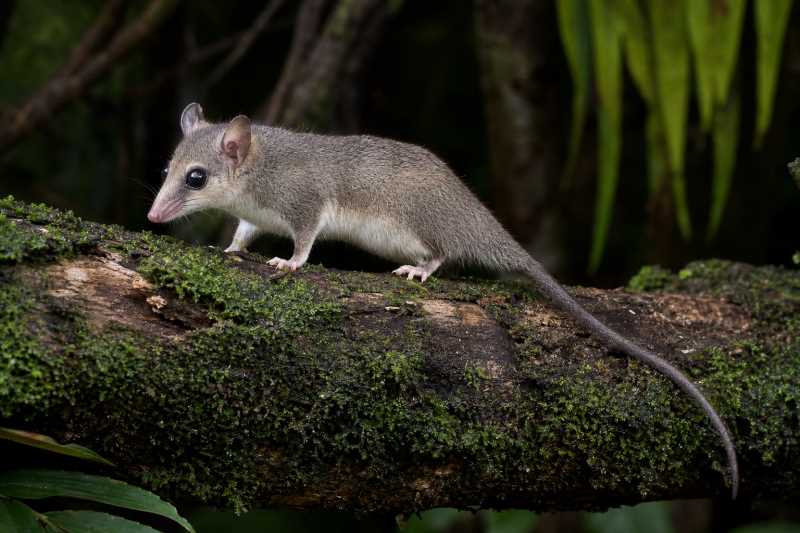
Creighton’s Slender Opossum is aptly named for its sleek and slender body, which sets it apart from other opossums. Typically, adults measure between 15 to 20 centimeters in body length, excluding the tail, which adds another 20 to 25 centimeters. This marsupial is characterized by its soft, dense fur that varies in color from grayish-brown on its dorsal side to a lighter, almost white shade on its ventral side. One of the most distinctive features of this opossum is its elongated snout and large, round ears, which enhance its sensory capabilities.
The opossum’s eyes are relatively large, providing excellent night vision, an adaptation crucial for its nocturnal lifestyle. The prehensile tail is another notable feature, used for balance and grasping branches as it navigates the forest canopy. Its limbs are short but strong, with sharp claws that facilitate climbing. Sexual dimorphism is minimal in this species, although males are typically slightly larger than females.
Range and Habitat
Marmosops creightoni is primarily found in the tropical rainforests of South America, with its range extending across parts of Colombia, Venezuela, and Brazil. These opossums thrive in dense, humid forests, often dwelling in the understory and mid-canopy levels where they can easily find food and evade predators. They are less commonly found in open or arid environments, as their adaptations are specifically suited to the forest ecosystem.
These animals are arboreal, spending most of their time in trees. Their habitats are typically characterized by high biodiversity, offering abundant resources and shelter. However, deforestation and habitat fragmentation pose significant threats to their natural environment, potentially limiting their range and access to resources.
Behavior and Diet
Creighton’s Slender Opossum is primarily nocturnal and solitary. These opossums are most active during the night, using their keen sense of smell and hearing to forage for food. Their diet is omnivorous, consisting mainly of fruits, insects, small vertebrates, and occasionally bird eggs. This varied diet plays a crucial role in the ecosystem, as they help control insect populations and aid in seed dispersal.
Reproduction in Marmosops creightoni typically occurs once or twice a year, with females giving birth to litters of up to eight young. Like other marsupials, the young are born in an underdeveloped state and continue their development in the mother’s pouch. After leaving the pouch, juveniles remain dependent on the mother for several weeks before becoming independent.
Identification Tips
Identifying Creighton’s Slender Opossum in the field requires attention to several key characteristics:
- Size and Shape: Look for a small, slender body with a long, prehensile tail.
- Coloration: Note the grayish-brown fur on the back, with a lighter underside.
- Facial Features: Large eyes and an elongated snout are distinctive.
- Behavior: These opossums are arboreal and nocturnal, often spotted at night.
- Habitat: Primarily found in dense, humid forests.
Conservation Status
Currently, Marmosops creightoni is listed as a species of Least Concern by the International Union for Conservation of Nature (IUCN). However, this status does not imply that the species is free from threats. Habitat loss due to deforestation and human encroachment poses significant risks. Additionally, climate change and its impact on forest ecosystems could further threaten their habitat.
Conservation efforts are essential to ensure the survival of this species. Establishing protected areas and promoting sustainable forestry practices are crucial steps in preserving their natural habitat. Moreover, further research is needed to better understand their ecology and population dynamics, which will aid in developing effective conservation strategies.
Frequently Asked Questions
What do Creighton’s Slender Opossums eat?
Creighton’s Slender Opossums have an omnivorous diet, primarily consuming fruits, insects, small vertebrates, and occasionally bird eggs. Their diet plays a key role in seed dispersal and insect population control within their ecosystem.
Where can Creighton’s Slender Opossums be found?
These opossums are native to the tropical rainforests of South America, particularly in Colombia, Venezuela, and Brazil. They are primarily arboreal and thrive in dense, humid forest environments.
How do Creighton’s Slender Opossums adapt to their environment?
Creighton’s Slender Opossums have several adaptations for their arboreal lifestyle, including a prehensile tail for balance and climbing, large eyes for night vision, and a keen sense of hearing and smell for locating food in the dark.
Are Creighton’s Slender Opossums endangered?
Currently, they are classified as Least Concern by the IUCN, but habitat loss and environmental changes pose significant threats. Conservation efforts are needed to protect their forest habitats.
How can Creighton’s Slender Opossums be identified?
They can be identified by their small, slender body, long prehensile tail, grayish-brown fur with a lighter underside, large eyes, and elongated snout. They are active at night and primarily inhabit forested areas.
Related posts