Introduction
The Jackass White-toothed Shrew (Crocidura arispa) is an intriguing small mammal belonging to the Soricidae family, known for its unique physical characteristics and ecological significance. This species, although not as widely recognized as some other shrews, plays a crucial role in maintaining the balance of its ecosystem. This article delves into the various aspects of the Jackass White-toothed Shrew, including its physical description, habitat, behavior, and conservation status, providing comprehensive insights into this fascinating creature.
Physical Description
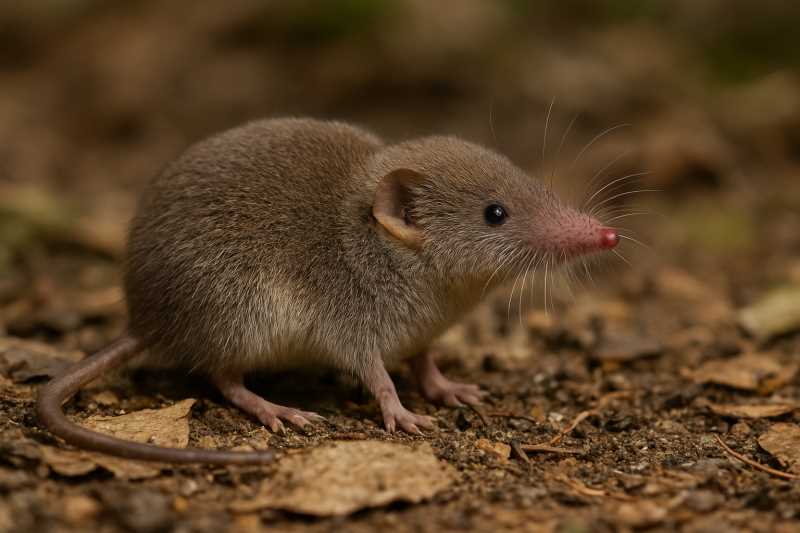
Crocidura arispa is a small, agile mammal characterized by its slender body and relatively large head. The shrew measures approximately 6 to 8 centimeters in length, with a tail that adds an additional 3 to 4 centimeters. Its fur is typically a muted gray-brown, providing excellent camouflage against the forest floor. The distinguishing feature of this species is its sharp, white teeth, which are adapted for an insectivorous diet.
The shrew’s eyes are small and bead-like, which suggests a reliance on other senses such as smell and hearing for navigation and hunting. Its ears are also small, yet highly sensitive, allowing it to detect the slightest rustle of prey in the underbrush. Furthermore, the Jackass White-toothed Shrew has a pointed snout, which it uses to probe soil and leaf litter for insects and other invertebrates.
Range and Habitat
The Jackass White-toothed Shrew is primarily found in subtropical and tropical regions, thriving in dense forests and occasionally venturing into grasslands. Its range extends across several countries, where it inhabits both lowland and montane forests. This species prefers habitats with abundant ground cover, which provides protection from predators and a rich hunting ground for its prey.
The shrew is an adaptable creature, capable of surviving in a variety of environmental conditions. However, it shows a preference for moist, cool environments where food is plentiful. Its presence in a habitat often indicates a healthy ecosystem, as it plays a role in controlling insect populations.
Behavior and Diet
Crocidura arispa is a nocturnal creature, primarily active during the night. This behavior is thought to reduce the risk of predation and competition for food. It is an insectivore, feeding on a diet rich in insects, spiders, and other small invertebrates. Its keen sense of smell aids in locating prey, while its sharp teeth are perfectly suited for capturing and consuming its meals.
The shrew is known for its high metabolic rate, which requires it to eat frequently. It spends a significant portion of its active hours foraging for food, often consuming more than its own body weight in a single day. Socially, the Jackass White-toothed Shrew is mostly solitary, coming together only for mating purposes.
Identification Tips (Field Recognition Cues)
Identifying the Jackass White-toothed Shrew in the field can be challenging due to its elusive nature and small size. However, there are several key characteristics to look for:
- Size and Shape: Look for a small, mouse-sized mammal with a slender body and a proportionately large head.
- Coloration: The shrew’s fur is usually a gray-brown, blending well with its forest environment.
- Distinctive Teeth: If close enough to observe, the white teeth are a distinguishing feature.
- Behavior: Active primarily at night; listen for rustling sounds in leaf litter.
Conservation Status (With Threats and Protections)
The Jackass White-toothed Shrew is currently not listed as endangered, but it faces several threats that could impact its population. Habitat destruction due to deforestation and land conversion for agriculture poses a significant risk. Additionally, climate change could alter its habitat, making conditions less suitable.
Conservation efforts include habitat preservation and environmental education to highlight the importance of shrews in ecosystem health. Protected areas and wildlife reserves play a critical role in safeguarding the natural habitat of Crocidura arispa, ensuring that populations remain stable.
Frequently Asked Questions
Why is this species unique?
The Jackass White-toothed Shrew is unique due to its sharp white teeth, which differentiate it from other shrew species. Its role as a pest controller in the ecosystem highlights its ecological significance.
How does the shrew impact its ecosystem?
As an insectivore, Crocidura arispa helps control insect populations, thus maintaining the ecological balance. Its presence is an indicator of a healthy ecosystem.
What are the main threats to its survival?
The primary threats include habitat loss due to deforestation and agricultural expansion, as well as climate change, which can alter its preferred environmental conditions.
How can people help protect this species?
Supporting conservation efforts, promoting sustainable land use practices, and raising awareness about the importance of shrews can contribute to the protection of Crocidura arispa.
Related posts