Introduction
The Ashaninka Inca Rat, scientifically known as Cuscomys ashaninka, is a fascinating rodent species endemic to the Andes of Peru. This elusive creature is part of the Abrocomidae family, commonly referred to as the chinchilla rats. Discovered relatively recently, the Ashaninka Inca Rat has become a subject of interest for scientists and conservationists aiming to understand more about its ecology and behavior. This article delves into the various aspects of the Ashaninka Inca Rat, offering insights into its physical characteristics, habitat preferences, behavior, and conservation status.
Physical Description
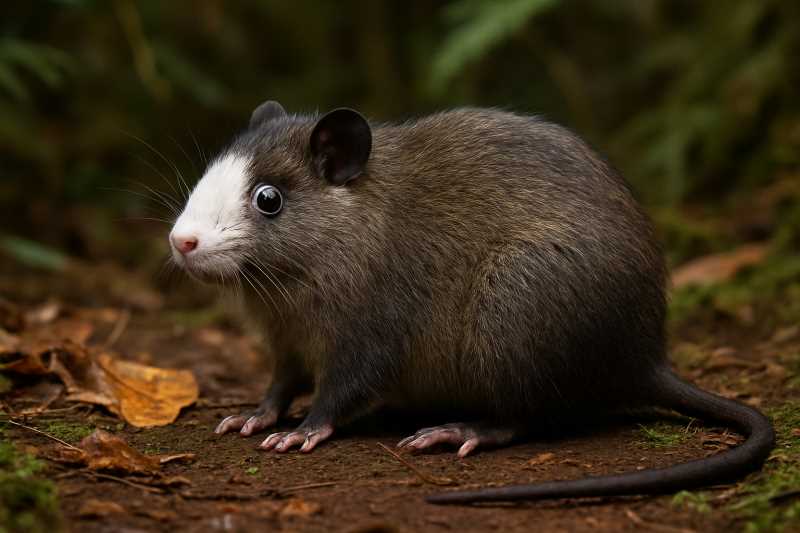
The Ashaninka Inca Rat is a medium-sized rodent characterized by its dense, soft fur that helps it adapt to the chilly Andean environment. The fur is typically a grayish-brown color, allowing the rat to blend seamlessly into its mountainous surroundings. This species has a robust body, a short head, and a long bushy tail, which is a distinctive feature among chinchilla rats. The tail is almost as long as the body, aiding in balance and agility as the rat navigates rocky terrains.
The rat’s face is adorned with large, expressive eyes and rounded ears, which are well-suited for detecting predators and communicating with peers. The limbs of the Ashaninka Inca Rat are strong and agile, featuring sharp claws that enable it to climb and forage effectively.
Range and Habitat
Cuscomys ashaninka is native to the high-altitude regions of the Andes Mountains in Peru, specifically within the Cusco and Ayacucho regions. This species thrives in cloud forests and montane forests, environments characterized by high humidity and dense vegetation. These forests provide ample cover and food resources, crucial for the survival of the Ashaninka Inca Rat.
The altitudinal range of this species is typically between 2,500 to 3,500 meters above sea level. The rugged terrain and isolated location of its habitat mean that the Ashaninka Inca Rat remains relatively undisturbed by human activities, although this also poses challenges for researchers attempting to study this elusive species.
Behavior and Diet
The Ashaninka Inca Rat is primarily nocturnal, spending its nights foraging for food and its days resting in burrows or nests. Its diet consists mainly of plant materials, including leaves, fruits, and seeds, which are abundant in its natural habitat. This herbivorous diet supports the rat’s energy needs for navigating the complex forest environment.
Socially, the Ashaninka Inca Rat exhibits behaviors typical of other rodent species, such as grooming and hierarchy establishment. Little is known about their breeding habits due to their secretive nature, but they are believed to breed seasonally, in line with other high-altitude rodents.
Identification Tips (Field Recognition Cues)
Identifying the Ashaninka Inca Rat in the wild can be challenging due to its elusive nature and the dense environments it inhabits. However, there are several field recognition cues that can aid in identification:
- Tail: Look for the distinctive long, bushy tail, which is a key feature distinguishing it from other rodents in the region.
- Fur Color and Texture: Notice the dense, soft grayish-brown fur that provides camouflage against the forest floor and rocks.
- Size and Shape: This species has a robust build with large eyes and rounded ears, providing acute hearing and vision.
Field researchers often rely on these visual cues, along with behavioral observations, to identify and study the Ashaninka Inca Rat effectively.
Conservation Status (With Threats and Protections)
Currently, the conservation status of the Ashaninka Inca Rat is classified as "Data Deficient" by the International Union for Conservation of Nature (IUCN). This classification highlights the lack of comprehensive data on population size, distribution, and trends. However, the species is considered rare, and its habitat is relatively isolated, providing some natural protection against human encroachment.
Threats to the Ashaninka Inca Rat include habitat loss due to deforestation and climate change, which can alter the delicate balance of its montane forest ecosystem. Conservation efforts are focused on habitat preservation and further research to better understand the ecological needs of this species.
Frequently Asked Questions
Why is this species unique?
The Ashaninka Inca Rat is unique due to its specialized adaptations to high-altitude environments and its relatively recent discovery, which adds to the intrigue of its ecological role and evolutionary history.
What are the main threats to its survival?
The primary threats to the Ashaninka Inca Rat’s survival include habitat loss from deforestation and the potential impacts of climate change, which can disrupt its montane forest ecosystem.
How is it different from other chinchilla rats?
While similar in appearance to other chinchilla rats, the Ashaninka Inca Rat is distinguished by its specific habitat preferences and adaptations to the high-altitude cloud forests of the Andes.
What conservation measures are in place?
Conservation measures for the Ashaninka Inca Rat focus on protecting its habitat within the Andes, promoting sustainable land use practices, and conducting further research to gather more data on this elusive species.
Related posts