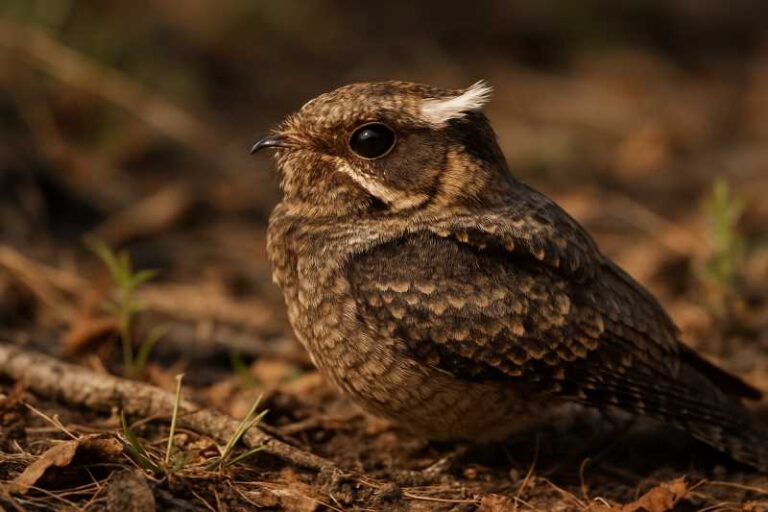
Rufous-throated Partridge: A Hidden Gem of the Understory Forests
The Rufous-throated Partridge (Arborophila rufogularis) is an elusive and enchanting bird species that inhabits the dense, subtropical forests of Southeast Asia. Known for its strikingly colorful plumage and distinctive vocalizations, this partridge is a fascinating subject for ornithologists and bird enthusiasts alike. In this article, we explore the habitat, behavior, and conservation status of the Rufous-throated Partridge, shedding light on the unique characteristics that make it a treasure of the avian world.
Habitat and Distribution
The Rufous-throated Partridge is predominantly found in the mountainous regions of Southeast Asia, stretching across countries such as Bhutan, China, India, Laos, Myanmar, Nepal, Thailand, and Vietnam. This species favors subtropical or tropical moist lowland forests and subtropical or tropical moist montane forests, often residing at elevations between 300 and 2,500 meters. The dense undergrowth of these forests provides both shelter and ample foraging opportunities, allowing the partridge to thrive away from predators and human disturbances.
The bird’s preference for secluded, high-altitude environments has made it less visible to casual observers, but it remains a vital part of its ecosystem. The Rufous-throated Partridge plays a crucial role in seed dispersal and insect population control, contributing to the overall health and diversity of its habitat.
Physical Characteristics and Behavior
The Rufous-throated Partridge is renowned for its striking appearance. It boasts a vivid rufous-colored throat, which beautifully contrasts with its otherwise grayish-brown plumage adorned with intricate patterns of black and white. This combination of colors serves as effective camouflage in the forest undergrowth, allowing the bird to blend seamlessly with its surroundings.
In terms of size, the Rufous-throated Partridge is relatively small, measuring approximately 27 to 30 centimeters in length and weighing around 300 to 450 grams. Despite its modest size, this bird exhibits a robust build, with strong legs adapted for foraging and quick movements through the underbrush.
The partridge is known for its social nature, often found in small coveys or family groups. These groups typically consist of a mated pair and their offspring, although larger aggregations may form outside the breeding season. Communication within these groups is facilitated by a range of vocalizations, including calls that resemble whistles and soft clucks, which help maintain cohesion and alert members to potential threats.
Breeding and Feeding Habits
Breeding season for the Rufous-throated Partridge generally occurs between April and July, coinciding with the onset of the monsoon season in many regions. During this time, the male performs elaborate courtship displays to attract a mate, which include puffing out its throat feathers and engaging in intricate dances. Once a pair is formed, they remain monogamous, working together to raise their brood.
Nesting takes place on the ground, with the female laying a clutch of 3 to 5 eggs in a shallow scrape lined with leaves and other plant material. Both parents share in the incubation duties, which last for about 18 to 21 days. After hatching, the chicks are precocial, meaning they are relatively mature and mobile, leaving the nest soon after birth to forage with their parents.
The Rufous-throated Partridge is an omnivorous bird, with a diet that includes seeds, berries, insects, and small invertebrates. Foraging primarily occurs on the forest floor, where the bird uses its strong legs and beak to scratch the leaf litter in search of food. This feeding behavior not only sustains the partridge but also aids in the aeration and turnover of the forest floor, highlighting its ecological importance.
Conservation Status and Threats
Currently, the Rufous-throated Partridge is classified as a species of “Least Concern” by the International Union for Conservation of Nature (IUCN). However, its population is believed to be declining due to habitat loss and fragmentation driven by deforestation, agricultural expansion, and human encroachment.
Conservation efforts are crucial to safeguarding the future of this species. Protecting its natural habitat through the establishment of reserves and national parks is a vital step towards ensuring its survival. Additionally, raising awareness about the ecological significance of the Rufous-throated Partridge can foster community involvement in conservation initiatives.
In conclusion, the Rufous-throated Partridge is an integral component of Southeast Asia’s rich biodiversity. Its striking appearance, intriguing behavior, and ecological contributions make it a species worth protecting. By understanding and addressing the challenges it faces, we can ensure that future generations will have the opportunity to appreciate this hidden gem of the forest understory.
Related posts