Understanding Olrog’s Cinclodes: A Remarkable Avian Species
The diverse avian world is filled with a plethora of fascinating species, each with its unique characteristics and ecological significance. Among these, Olrog’s Cinclodes (Cinclodes olrogi) stands out as a remarkable species endemic to the diverse ecosystems of South America. First described in 1979, this bird is part of the Furnariidae family, known for their adaptability and unique ecological niches.
Taxonomy and Description
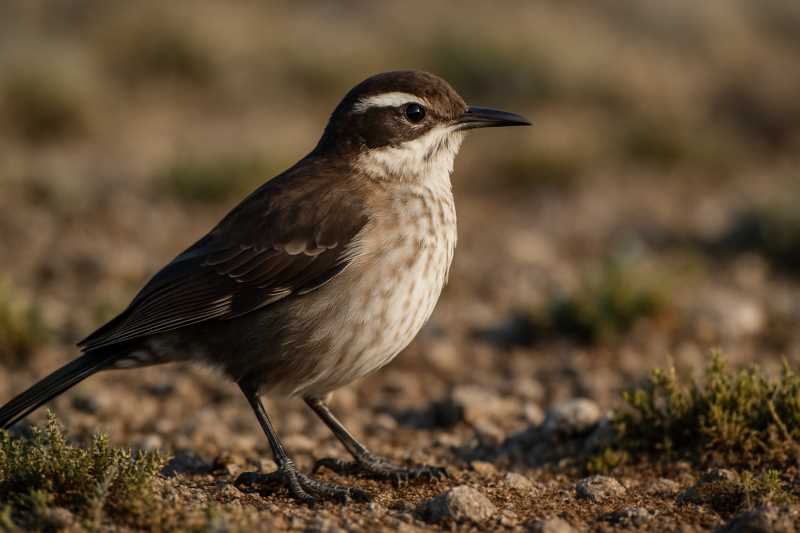
Olrog’s Cinclodes, scientifically named Cinclodes olrogi, is a member of the genus Cinclodes, which is renowned for its hardy and adaptive species. These birds are small to medium-sized, typically measuring around 20 cm in length. They exhibit a characteristic plumage that is predominantly brown with subtle variations that aid in camouflage within their rocky and earthy habitats.
One of the defining features of Cinclodes olrogi is its distinctive vocalization, which plays a crucial role in communication and territory establishment. The bird’s morphology, including its strong legs and robust bill, is well-suited for its ground-foraging lifestyle, allowing it to dig through soil and debris in search of insects and other invertebrates.
Habitat and Distribution
Olrog’s Cinclodes is primarily found in the high-altitude regions of northwestern Argentina. These areas are characterized by their rocky terrains and sparse vegetation, environments that the cinclodes have expertly adapted to. The bird’s preference for such habitats is likely a result of the reduced competition and the abundance of feeding opportunities found in these less densely populated areas.
The species is often found in close proximity to water bodies, such as streams and rivers, which provide both a source of food and a habitat for nesting. The preference for such environments speaks to the bird’s ecological role as both a consumer of invertebrates and a participant in the nutrient cycles of these aquatic ecosystems.
Behavior and Ecology
Cinclodes olrogi is known for its ground-feeding habits, often seen hopping along riverbanks or scrambling over rocks. Its diet primarily consists of insects and small invertebrates, which it skillfully extracts from under stones and within crevices. This foraging behavior not only highlights the bird’s adaptability but also its role in controlling insect populations in its habitat.
Socially, Olrog’s Cinclodes is relatively solitary, with pairs or small family groups forming during the breeding season. The nesting process involves the construction of a nest in crevices or burrows, often near water sources. This strategic nesting behavior helps protect the young from predators and environmental extremes.
Conservation Status and Threats
Currently, Olrog’s Cinclodes is classified as “Near Threatened” by the International Union for Conservation of Nature (IUCN). The primary threats to the species include habitat degradation and the impacts of climate change, which are altering the high-altitude ecosystems they depend on. Human activities such as agriculture and water diversion for irrigation also pose significant risks, leading to habitat loss and fragmentation.
Conservation efforts are crucial to safeguard the future of Olrog’s Cinclodes. Protecting their natural habitats through the establishment of protected areas and promoting sustainable land-use practices are vital steps in ensuring the survival of this unique species.
Importance of Olrog’s Cinclodes
The ecological role of Olrog’s Cinclodes extends beyond its immediate environment. As an insectivore, the bird helps regulate insect populations, contributing to the balance of its ecosystem. Moreover, its presence is an indicator of the health of the high-altitude habitats it occupies. Conservationists and ecologists view the bird as a key species for monitoring environmental changes and the impacts of human activities on these fragile ecosystems.
In cultural terms, Olrog’s Cinclodes holds significance for local communities who see the bird as a symbol of the unique natural heritage of their region. Efforts to educate and involve these communities in conservation initiatives can foster a sense of stewardship and enhance conservation outcomes.
Conclusion
Olrog’s Cinclodes is a testament to the incredible adaptability and ecological importance of avian species in South America. As a near-threatened species, it highlights the urgent need for conservation efforts to preserve not only its population but also the delicate balance of its high-altitude habitat. Understanding and appreciating the role of species like Cinclodes olrogi in our ecosystems is a step towards ensuring that future generations will continue to enjoy the rich biodiversity of our planet.
By promoting awareness and implementing effective conservation strategies, we can protect this remarkable bird and the unique ecosystems it inhabits, ensuring that Olrog’s Cinclodes remains a part of our natural world for years to come.
Related posts