The Enigmatic Collared Nightjar: An In-depth Exploration of Gactornis enarratus
The Collared Nightjar (Gactornis enarratus) is a beguiling avian species that has captured the fascination of ornithologists and bird enthusiasts alike. This elusive nightjar, endemic to the lush forests of Madagascar, is an exemplar of nature’s intricacy and beauty. The island’s unique biodiversity provides a perfect backdrop for this cryptic bird, which remains underrepresented in scientific literature compared to its more prominent relatives.
A Glimpse into Their Habitat and Distribution
The Collared Nightjar is primarily found in the eastern rainforests of Madagascar. Its habitat is characterized by dense, humid undergrowth, which offers ample cover and a rich supply of insects—its primary food source. This nightjar’s range is somewhat limited, relying on the preservation of its rainforest home, which faces threats from deforestation and habitat fragmentation.
Madagascar’s forests, teeming with endemic flora and fauna, provide a sanctuary for the Collared Nightjar. These rainforests are crucial not only for the survival of this species but also for the myriad of life forms that coexist within this delicate ecosystem. Conservation efforts are paramount to protect these habitats from the encroaching threats of human activity.
Distinctive Characteristics and Behavior
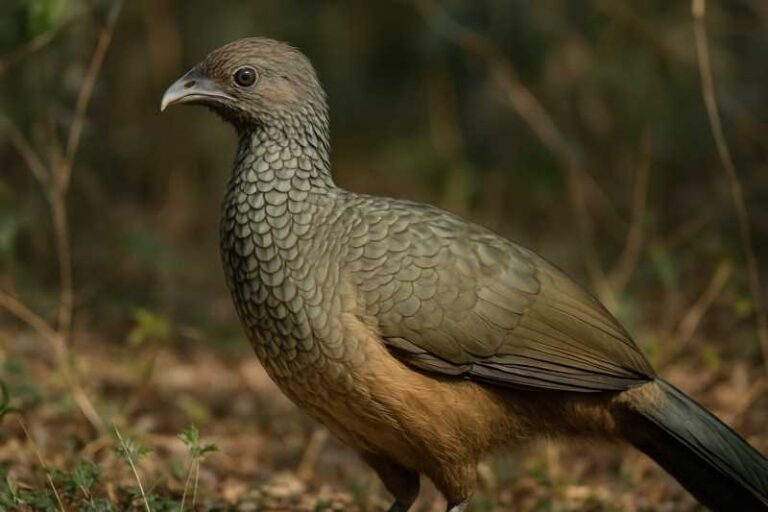
The Collared Nightjar is notable for its remarkable camouflage, a key adaptation that allows it to blend seamlessly into its surroundings. Its plumage is a mosaic of browns, grays, and whites, resembling the forest floor, littered with leaves and twigs. This cryptic coloration is essential for evading predators and remaining undetected by prey.
Unlike other nightjars, the Collared Nightjar is known for its characteristic collar—a distinct band of lighter feathers encircling its neck. This feature, coupled with its relatively small size, sets it apart from similar species. Its large eyes, adapted for nocturnal life, enable excellent night vision, critical for hunting insects during the twilight hours.
The Collared Nightjar’s behavior is as intriguing as its appearance. Primarily nocturnal, it spends daylight hours roosting on the ground or low branches, relying on its camouflage for protection. At dusk, it becomes active, employing a silent, stealthy flight to catch moths, beetles, and other insects.
Reproductive Habits and Lifecycle
Research on the breeding habits of the Collared Nightjar is limited due to its elusive nature. However, like other nightjars, it is presumed to engage in ground-nesting, laying one or two eggs directly on the forest floor. The eggs, speckled and camouflaged, are incubated by both parents, who take turns in brooding and foraging.
The young are precocial, meaning they are relatively mature and mobile shortly after hatching. This adaptation is vital for survival, as it reduces the period of vulnerability to predators. The chicks’ plumage is also cryptically colored, providing further protection during their early days.
Conservation Status and Challenges
The Collared Nightjar is classified as “Least Concern” by the International Union for Conservation of Nature (IUCN), but this status belies the challenges it faces. Habitat loss due to logging, slash-and-burn agriculture, and human encroachment poses significant threats to its survival. As Madagascar’s forests continue to shrink, the pressure on the Collared Nightjar and countless other species intensifies.
Conservation efforts are underway to mitigate these threats, focusing on habitat preservation and sustainable land management. Protected areas and national parks in Madagascar play a crucial role in safeguarding the Collared Nightjar’s habitat. Additionally, raising awareness about the importance of biodiversity and the ecological role of nightjars can foster community support for conservation initiatives.
The Role of the Collared Nightjar in Ecosystems
As insectivores, Collared Nightjars play a vital role in controlling insect populations, contributing to the ecological balance of their habitats. Their presence indicates a healthy, functioning ecosystem, underscoring the interconnectedness of species within the rainforest.
Furthermore, the Collared Nightjar serves as an indicator species for environmental health. Changes in its population or distribution can signal shifts in the ecosystem, providing valuable insights for conservationists and researchers.
Conclusion
The Collared Nightjar is a testament to the wonders of Madagascar’s biodiversity. Its elusive nature and unique adaptations make it a subject of intrigue and study. As we continue to explore and understand this enigmatic species, we are reminded of the intricate web of life that relies on the conservation of our planet’s natural habitats.
Preserving the Collared Nightjar’s home is not just about protecting a single species; it is about safeguarding the rich tapestry of life that Madagascar’s rainforests support. Through concerted conservation efforts and global awareness, we can ensure that the Collared Nightjar, and the ecosystems it represents, thrive for generations to come.
Related posts