Introduction
The Gemsbok, scientifically known as Oryx gazella, is a striking antelope species that inhabits the arid regions of Southern Africa. Known for its majestic appearance and impressive adaptation skills, this antelope has captivated wildlife enthusiasts and researchers alike. The Gemsbok is not only a cultural symbol in several African regions but also a subject of considerable interest in the field of conservation biology.
Physical Description
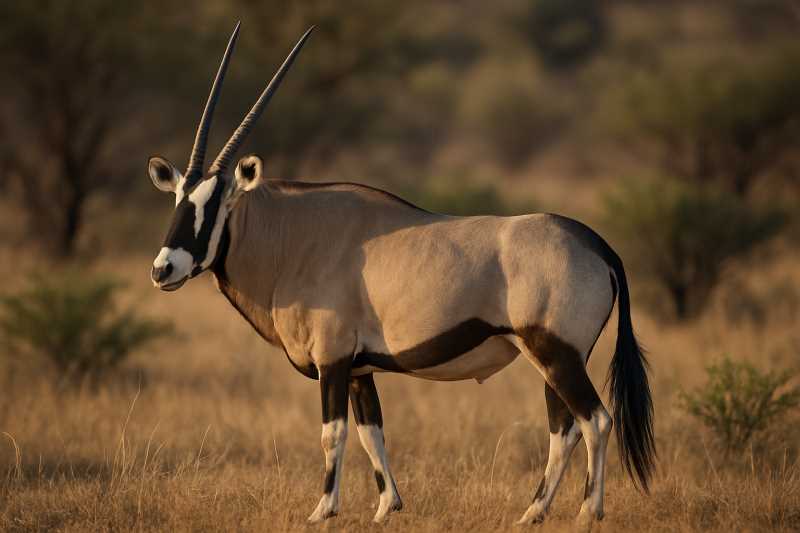
Gemsboks are large antelopes with a robust build. Adults stand about 1.2 meters tall at the shoulder and can weigh up to 240 kilograms. One of the most distinctive features of the Gemsbok is its long, straight horns, which can measure up to 85 centimeters in length. Both males and females possess these horns, although those of the males are typically thicker.
Their coat is a light brown or grayish color with striking black and white markings on the face, legs, and underbelly. The sharp contrast of these markings serves not only as camouflage in their natural habitat but also plays a role in social signaling among individuals.
The Gemsbok’s muscular neck and shoulders give it a powerful appearance, while its relatively short legs provide stability and strength, particularly useful for traversing the sandy terrain of its home.
Range and Habitat
Gemsboks are primarily found in the arid regions of Southern Africa, with significant populations in Namibia, Botswana, and South Africa. Their preferred habitats include open savannas, grasslands, and deserts, particularly the Kalahari Desert, which provides the dry, open environments they are so well adapted to.
These antelopes have a remarkable ability to survive in harsh, arid conditions where water is scarce. They can extract sufficient moisture from the plants they consume and are capable of enduring extreme temperatures, which makes them one of the most resilient species in the region.
Behavior and Diet
Gemsboks are social animals, often found in herds that can range from a few individuals to groups of 30 or more. These herds are typically led by a dominant male and consist of females and their young. Males that do not control herds may form bachelor groups or roam alone.
Their diet primarily consists of grasses, leaves, and shoots. During the dry season, they are known to dig for roots and tubers, which provide additional moisture. Gemsboks are primarily grazers, but their flexible diet allows them to adapt to the changing availability of food resources throughout the year.
Social interactions within herds are complex, involving a variety of vocalizations and physical displays. The Gemsbok’s horns are used in dominance contests, and these battles can be fierce but rarely result in severe injury.
Identification Tips (Field Recognition Cues)
Identifying a Gemsbok in the field can be accomplished by noting several key features:
- Horns: Long, straight, and pointed, both sexes possess horns that are used for defense and social displays.
- Coloration: The unique pattern of black and white markings on the face and legs is a distinctive identifier.
- Size: Gemsboks are large and robust, with a sturdy build that distinguishes them from other antelope species in the region.
- Gait: Their movement is typically steady and deliberate, adapted for long-distance travel across desert landscapes.
Conservation Status (with Threats and Protections)
The Gemsbok is currently classified as Least Concern by the International Union for Conservation of Nature (IUCN). The species enjoys relatively stable population numbers due to its adaptability and the protection of several large national parks and reserves within its range.
However, the Gemsbok faces threats from habitat loss due to agricultural expansion and climate change, which could alter the availability of water and grazing resources. Poaching, although not as prevalent as in other species, remains a concern in certain areas.
Conservation efforts focus on habitat preservation and management, ensuring that these antelopes continue to thrive in their natural environments. Collaborative efforts between governments, conservation organizations, and local communities are essential for maintaining their habitats and addressing threats such as illegal hunting.
Frequently Asked Questions
What adaptations allow the Gemsbok to survive in the desert?
Gemsboks have several adaptations for desert survival, including the ability to regulate their body temperature, obtain moisture from their food, and survive without direct water sources for extended periods. Their light-colored coat reflects sunlight, and their efficient metabolism minimizes water loss.
How do Gemsboks defend themselves from predators?
Gemsboks use their long, sharp horns to defend themselves against predators such as lions and hyenas. Their herding behavior also provides safety in numbers, allowing them to collectively deter potential threats.
Are Gemsboks endangered?
Currently, Gemsboks are not endangered and are listed as Least Concern. Their populations are stable, thanks to their adaptability and protection within national parks. However, ongoing conservation efforts are necessary to mitigate potential future threats.
What is the lifespan of a Gemsbok?
In the wild, Gemsboks can live up to 18 years, though this can vary based on environmental conditions and predation pressures. In captivity, they can live longer due to a lack of predators and consistent food sources.
Can Gemsboks be domesticated?
While Gemsboks are not typically domesticated, they can be managed in controlled environments such as wildlife reserves and zoos. They are not suited for traditional domestication like cattle or sheep due to their specific habitat and dietary needs.
Related posts