Introduction
The Marmoset Xanthurus Rat, scientifically known as Rattus marmosurus, is a fascinating rodent species that captivates researchers and wildlife enthusiasts alike. Native to specific regions in Southeast Asia, this species has adapted remarkably well to its environment. As we delve deeper into the life of the Marmoset Xanthurus Rat, we will explore its physical characteristics, habitat preferences, behavior, diet, and conservation status. This comprehensive guide serves to provide an in-depth understanding of this intriguing mammal and aims to raise awareness about its ecological significance.
Physical Description
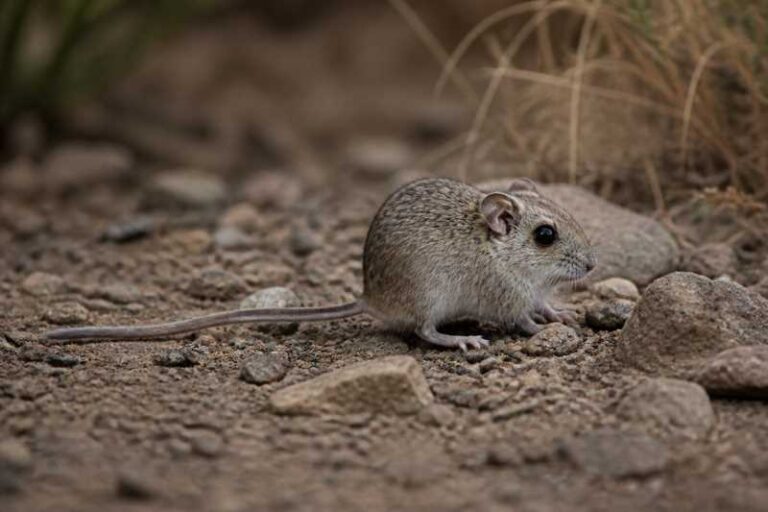
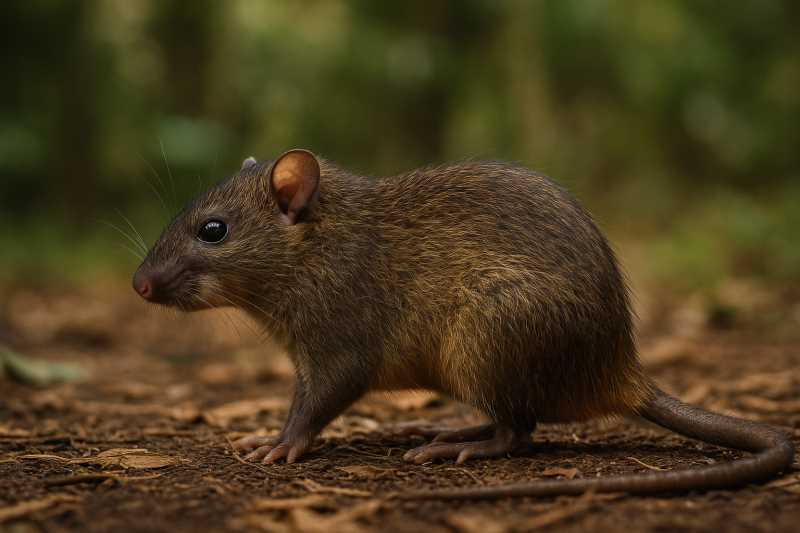
The Marmoset Xanthurus Rat is a medium-sized rodent distinguished by its unique appearance and physical attributes. On average, adults weigh between 150 to 250 grams and measure approximately 25 to 30 centimeters in length, excluding the tail. The tail itself is notably long, often extending beyond the length of its body, and serves as a crucial tool for balance and navigation through its arboreal habitat.
The fur of the Marmoset Xanthurus Rat is predominantly a soft, grayish-brown, providing excellent camouflage against the tree bark and foliage of its natural environment. Its underbelly is typically lighter, often a soft white or cream color, which aids in blending in when viewed from below. The species is also noted for its expressive, beady eyes and prominent whiskers, which enhance its sensory perception.
Range and Habitat
The Marmoset Xanthurus Rat is endemic to the lush, tropical forests of Sulawesi, an island in Indonesia. This region is characterized by its rich biodiversity and unique ecosystems. The rat predominantly inhabits lowland and montane forests, where it can be found at elevations ranging from sea level to about 1,500 meters.
These forests provide an abundance of resources, including food and shelter. The dense canopy and understory vegetation offer ample cover from predators, while also supporting a diverse array of plant and animal life that forms the basis of the rat’s diet.
Behavior and Diet
The Marmoset Xanthurus Rat exhibits primarily nocturnal behavior, being most active during the night. This nocturnal lifestyle helps minimize the risk of predation and allows the rat to exploit food resources with reduced competition from diurnal species.
In terms of diet, the Marmoset Xanthurus Rat is omnivorous, feeding on a variety of plant material, seeds, fruits, and insects. This varied diet is crucial for meeting its nutritional needs and supporting its active lifestyle. The rat’s foraging behavior is characterized by careful exploration and the use of its keen sense of smell to locate food.
Socially, the Marmoset Xanthurus Rat tends to be solitary, although it may occasionally be observed in small family groups. Communication is facilitated through vocalizations and scent marking, which help establish territories and navigate social interactions.
Identification Tips (Field Recognition Cues)
Identifying the Marmoset Xanthurus Rat in the field requires a keen eye and attention to specific characteristics. Here are some tips to aid in its recognition:
- Size and Shape: Look for a medium-sized rodent with a long, slender body and tail. The tail is often longer than the body itself.
- Fur Coloration: Note the grayish-brown fur with a lighter underbelly, which can help differentiate it from other rodent species.
- Habitat: Focus on areas of dense forest, particularly at elevations below 1,500 meters, where this species is most likely to be found.
- Behavior: Observe nocturnal activity patterns and solitary behavior, which are indicative of the Marmoset Xanthurus Rat.
Conservation Status (With Threats and Protections)
The conservation status of the Marmoset Xanthurus Rat is a topic of growing concern among conservationists. Currently, it is not listed as endangered, but it faces several threats that could impact its population in the future.
Threats
- Habitat Loss: Deforestation for agriculture and urban development poses the greatest threat to the Marmoset Xanthurus Rat’s habitat. The reduction of forested areas limits the available space and resources necessary for its survival.
- Climate Change: Changes in climate patterns can alter the ecosystem balance, affecting food availability and habitat conditions.
- Predation: Natural predators, including birds of prey and larger mammals, continue to pose a threat to the rat population.
Protections
Efforts to protect the Marmoset Xanthurus Rat focus primarily on habitat conservation. Initiatives include:
- Establishing protected areas and reserves to safeguard critical habitats.
- Promoting sustainable land-use practices to minimize deforestation.
- Conducting research to better understand the ecological needs of the species.
Frequently Asked Questions
What is the lifespan of a Marmoset Xanthurus Rat?
The average lifespan of a Marmoset Xanthurus Rat in the wild is approximately 2 to 3 years. However, this can vary based on environmental conditions and predation pressures.
How does the Marmoset Xanthurus Rat adapt to its environment?
The Marmoset Xanthurus Rat has adapted to its environment through its arboreal lifestyle, camouflaged fur, and nocturnal behavior, which help it evade predators and efficiently exploit food resources.
Are Marmoset Xanthurus Rats social animals?
While they are primarily solitary, Marmoset Xanthurus Rats may occasionally be observed in small family groups. They communicate through vocalizations and scent marking to establish territories and interact socially.
What efforts are in place to protect the Marmoset Xanthurus Rat?
Conservation efforts focus on habitat protection through the establishment of reserves, sustainable land-use practices, and research to understand the species’ ecological needs.
Related posts