Introduction
The Small Fernandina Galapagos Mouse, scientifically known as Nesoryzomys fernandinae, is an intriguing rodent species endemic to the Galapagos Islands. This elusive creature, often overshadowed by the islands’ more famous inhabitants like the giant tortoises and blue-footed boobies, plays a critical role in the delicate ecosystem of its native habitat. Discovered relatively recently, the Small Fernandina Galapagos Mouse is a testament to the rich biodiversity of these remote islands.
Physical Description
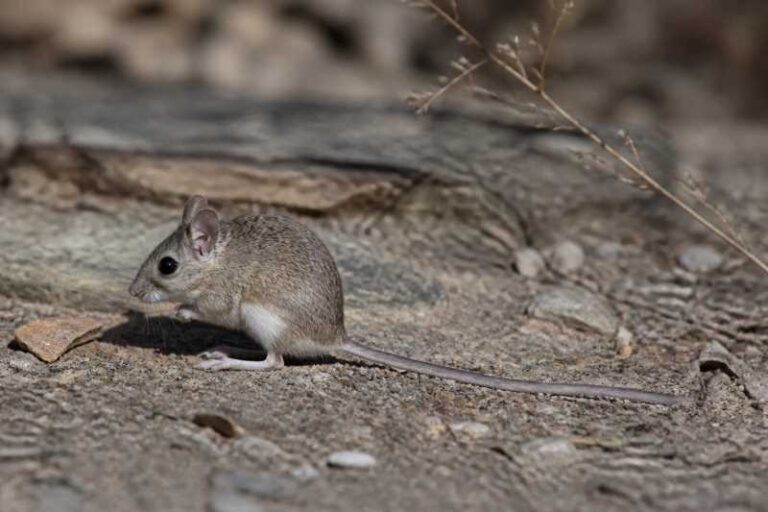
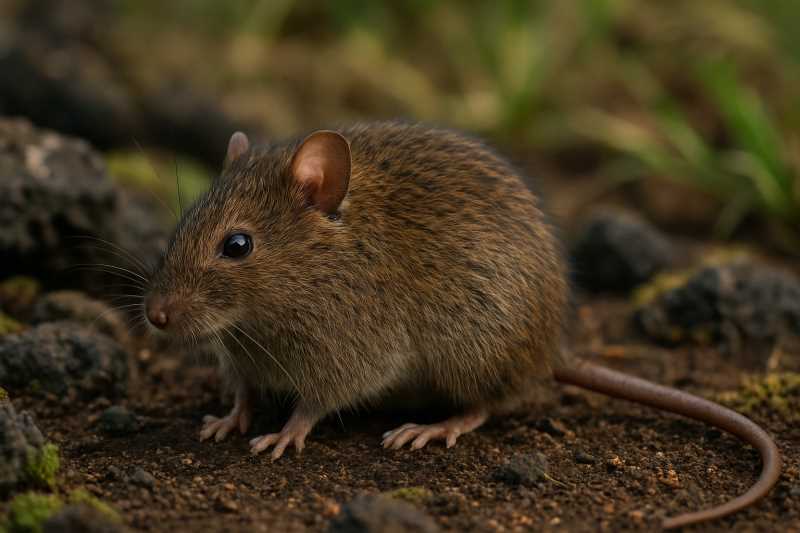
The Small Fernandina Galapagos Mouse is a diminutive rodent, with adults typically measuring around 10 to 12 centimeters in body length, not including the tail, which adds another 8 to 10 centimeters. It has a soft, dense fur that ranges in color from light brown to a darker grayish-brown, providing effective camouflage against the volcanic rocks and sparse vegetation of its habitat. The underbelly is usually lighter, often a creamy white or pale gray. This mouse has small, rounded ears and a pointed snout, features that are typical of many rodent species. Its eyes are relatively large, adapted for its nocturnal lifestyle.
Range and Habitat
The Small Fernandina Galapagos Mouse is found exclusively on Fernandina Island, one of the smallest and youngest islands in the Galapagos archipelago. Fernandina is known for its active volcano, and the landscape is characterized by rocky lava fields, low shrubs, and sparse vegetation. This mouse species prefers arid zones where it can easily find shelter among the rocks and crevices. The island’s isolation has helped shape the unique adaptations and behaviors of this rodent.
Behavior and Diet
As a nocturnal creature, the Small Fernandina Galapagos Mouse is most active during the night. This behavior helps it avoid the harsh daytime temperatures and potential predators. It is an omnivorous feeder, with a diet consisting mainly of seeds, small fruits, and insects. Its diet may vary seasonally, depending on the availability of food resources. The mouse plays a vital role in seed dispersal, contributing to the regeneration of plant life on Fernandina Island.
Identification Tips (field recognition cues)
Identifying the Small Fernandina Galapagos Mouse in the field requires a keen eye and some patience. Here are a few tips:
- Size and Shape: Look for a small rodent with a slender body and a relatively long tail.
- Coloration: Note the light to dark brown fur with a lighter underbelly, blending well with the volcanic landscape.
- Activity Pattern: Spotting these mice is easier at dusk or nighttime when they are most active.
- Habitat: Focus your search in rocky, arid areas with sparse vegetation where they are likely to be foraging or hiding.
Conservation Status (with threats and protections)
The conservation status of the Small Fernandina Galapagos Mouse is currently a concern due to its limited range and the fragile ecosystem of Fernandina Island. The primary threats include habitat destruction and the introduction of invasive species, which can disrupt the delicate balance of the island’s ecosystem. Conservation efforts are focused on habitat protection and strict biosecurity measures to prevent the introduction of non-native species. The Galapagos Islands are a UNESCO World Heritage site, and ongoing research and conservation initiatives aim to preserve its unique biodiversity.
Frequently Asked Questions
1. What does the Small Fernandina Galapagos Mouse eat? The Small Fernandina Galapagos Mouse is an omnivore, primarily consuming seeds, fruits, and insects. Its diet may change based on seasonal food availability.
2. Where is the Small Fernandina Galapagos Mouse found? This species is found exclusively on Fernandina Island in the Galapagos archipelago, inhabiting rocky, arid zones with sparse vegetation.
3. Why is the Small Fernandina Galapagos Mouse endangered? The mouse is at risk due to its limited range and threats from habitat destruction and potential invasive species. Conservation efforts focus on habitat protection and biosecurity.
4. How can you identify the Small Fernandina Galapagos Mouse? Identification involves noting its small size, brown to grayish coloration, nocturnal activity, and preference for rocky habitats.
5. Are there conservation efforts for the Small Fernandina Galapagos Mouse? Yes, conservation efforts include habitat protection and biosecurity measures to prevent invasive species from disrupting the island ecosystem.
Related posts