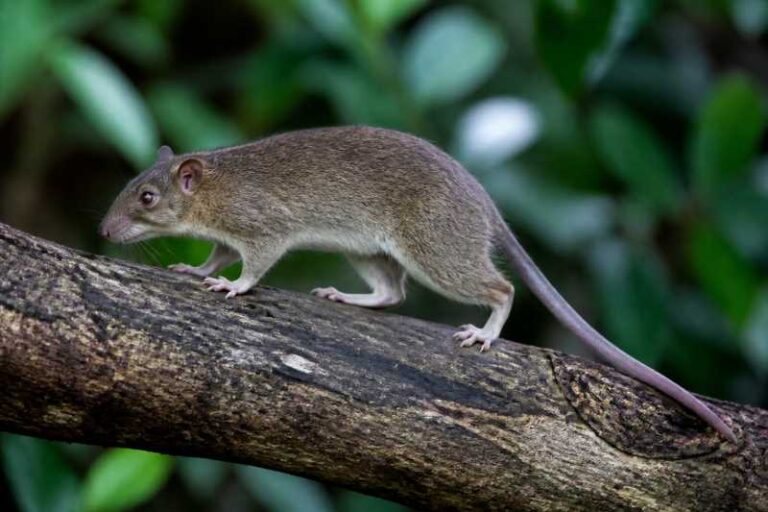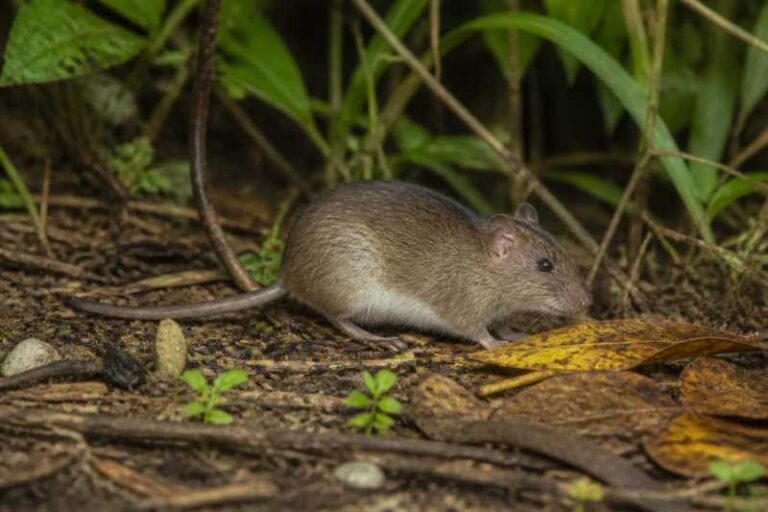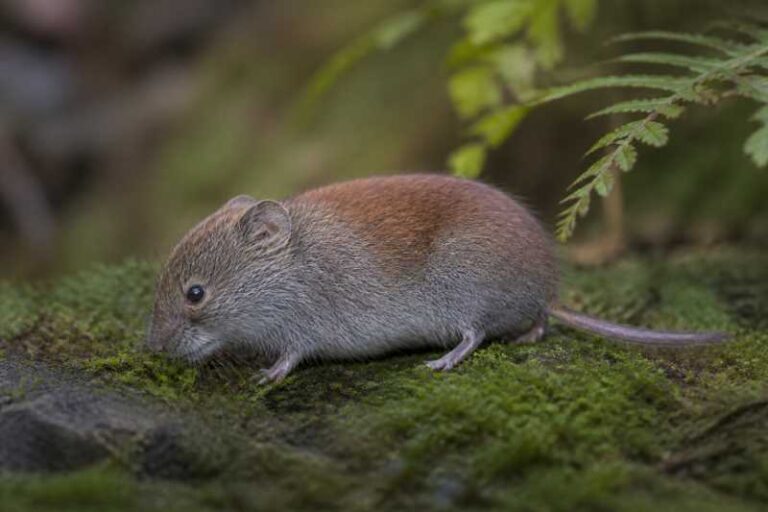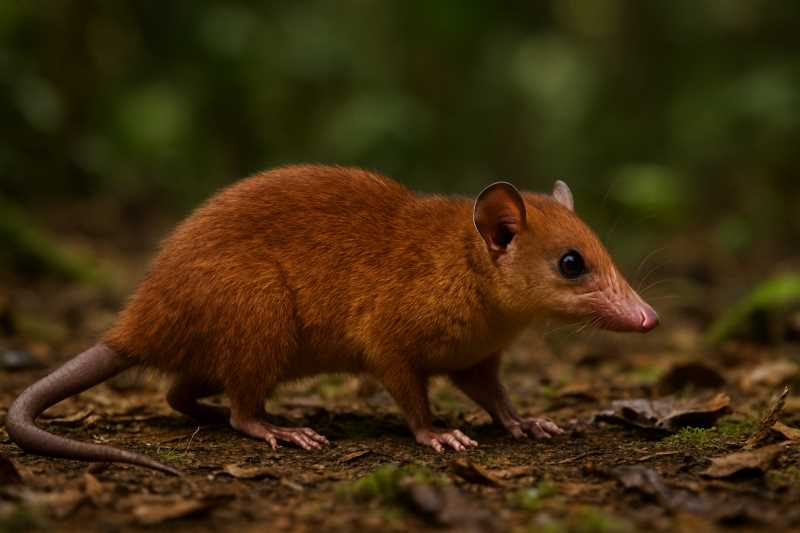
Sepia Short-tailed Opossum (Monodelphis adusta)
Introduction
The Sepia Short-tailed Opossum (Monodelphis adusta) is a fascinating member of the Didelphidae family, which is known for its diverse and adaptable group of marsupials native to Central and South America. This species, like other members of the Monodelphis genus, is distinctive for its small size and adaptability to various habitats. It plays a crucial role in the ecosystems it inhabits, contributing to insect control and seed dispersal. This article delves into the particulars of this unique species, from its physical description and habitat preferences to its behavior, diet, and conservation status.
Physical Description
The Sepia Short-tailed Opossum is a small, terrestrial mammal characterized by its compact body and short tail, which is significantly shorter than its body length—a feature that distinguishes it from other opossums. Adults typically weigh between 50 to 100 grams and measure about 11 to 15 cm in body length. Their fur is soft and dense, exhibiting a rich sepia or reddish-brown color on the dorsal side, while the underbelly tends to be lighter, often a soft, creamy color. The head is small with a pointed snout, large round eyes adapted for nocturnal activity, and small rounded ears.
Range and Habitat
Monodelphis adusta is primarily found in Central and South America, with its distribution ranging from southern Mexico through Central America, and extending into Colombia, Ecuador, and Peru. This species typically inhabits lowland tropical forests, preferring areas with dense understory vegetation that provides ample cover and food resources. They are also found in secondary forests and disturbed habitats, demonstrating a degree of adaptability to human-altered landscapes. Their ability to thrive in diverse environments is crucial for their survival, particularly in regions undergoing rapid deforestation.
Behavior and Diet
The Sepia Short-tailed Opossum is primarily nocturnal and terrestrial, spending most of its active hours foraging on the forest floor. Its diet consists mainly of insects and other small invertebrates, making it an important insectivore that helps control insect populations. They are also known to consume small vertebrates, fruits, and seeds, especially when insects are less abundant. This opportunistic feeding behavior allows them to adapt to seasonal variations in food availability.
In terms of behavior, Monodelphis adusta is solitary, with individuals maintaining small home ranges that they defend aggressively against conspecifics. Breeding occurs year-round in regions with consistent climates, but may be more seasonal in areas with distinct wet and dry seasons. Females give birth to small litters of 4-8 young, which are carried in a rudimentary pouch for a brief period before being left in nests while the mother forages.
Identification Tips (Field Recognition Cues)
Identifying the Sepia Short-tailed Opossum in the field can be challenging due to its small size and nocturnal habits. However, there are several key features to look for:
- Coloration: Look for the distinctive sepia or reddish-brown dorsal fur with a lighter, creamy underbelly.
- Tail: Note the short tail, which is less than half the length of the body, unlike many other opossum species.
- Size: Small body size, typically no longer than 15 cm, and weighing between 50 to 100 grams.
- Behavior: Active at night and often found foraging alone on the forest floor.
- Habitat: Most likely to be encountered in dense, lowland forests or secondary growth areas.
Conservation Status (With Threats and Protections)
The conservation status of the Sepia Short-tailed Opossum is currently listed as Least Concern by the International Union for Conservation of Nature (IUCN). This classification is due to its wide distribution and presumed large population. However, like many species in Central and South America, it faces potential threats from habitat loss due to deforestation, agricultural expansion, and urban development.
Conservation efforts are essential to ensure the continued survival of this species. Protecting large areas of lowland forest and promoting sustainable land-use practices are critical strategies for preserving the natural habitats of Monodelphis adusta. Additionally, more research is needed to better understand its ecology and population dynamics, which can inform conservation planning and management.
Frequently Asked Questions
What is the primary diet of the Sepia Short-tailed Opossum?
The Sepia Short-tailed Opossum primarily feeds on insects and other small invertebrates. It is an opportunistic feeder and may also consume small vertebrates, fruits, and seeds when available.
Where can the Sepia Short-tailed Opossum be found?
This species is found throughout Central and South America, from southern Mexico to Peru, inhabiting lowland tropical forests and secondary growth areas.
How does the Sepia Short-tailed Opossum differ from other opossums?
Monodelphis adusta is distinguished by its small size, short tail, and sepia-colored fur. Unlike many opossums, it lacks a prominent pouch and is largely terrestrial and nocturnal.
Are Sepia Short-tailed Opossums endangered?
Currently, the Sepia Short-tailed Opossum is classified as Least Concern by the IUCN, but it faces threats from habitat loss due to deforestation and human encroachment.
What conservation efforts exist for the Sepia Short-tailed Opossum?
Conservation efforts focus on habitat preservation through the protection of tropical forests and promoting sustainable land-use practices to mitigate habitat loss.
Related posts