Introduction
The Smoky Bat, scientifically known as Amorphochilus schnablii, is a fascinating and elusive member of the animal kingdom. Belonging to the family of furrowed bats, these nocturnal creatures are native to a range of habitats in South America. Despite their intriguing characteristics, relatively little is known about them due to their secretive nature and limited population distribution. This article explores the various aspects of the Smoky Bat, aiming to shed light on its physical attributes, habitat, behavior, and conservation status, while also providing practical identification tips for enthusiasts and researchers.
Physical Description
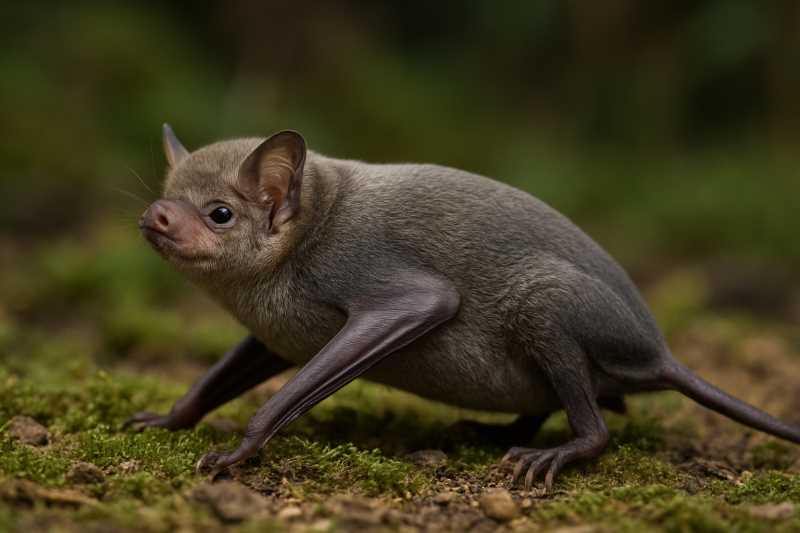
The Smoky Bat is a small mammal characterized by its distinctive physical features. Typically, these bats have a wingspan ranging from 30 to 35 centimeters, while their body length averages around 5 to 6 centimeters. They possess a unique fur coloration that gives them their common name; their fur is generally a smoky gray or brown, providing excellent camouflage against the bark of trees where they often roost.
One of the more striking features of the Smoky Bat is its facial structure. These bats have a relatively flat face with a short snout, making them easily distinguishable from other bat species. Their ears are moderately large and rounded, enhancing their echolocation abilities, which are vital for navigation and hunting in the dark. The furrowed lips, a defining characteristic of their family, aid in their complex vocalization patterns.
Range and Habitat
The Smoky Bat is predominantly found in the western regions of South America, with populations primarily located in Peru, Ecuador, and parts of Colombia. They are known to inhabit areas at varying altitudes, ranging from sea level to mountainous regions up to 2,000 meters above sea level.
These bats favor habitats that provide ample cover and feeding opportunities. They are commonly associated with tropical and subtropical dry forests, where they roost in the hollows of trees or caves. Occasionally, they may also be found in man-made structures, such as abandoned buildings or old mines, where they can find shelter and form colonies.
Behavior and Diet
The Smoky Bat is nocturnal, emerging at dusk to begin its daily activities. They are highly social animals, often forming colonies that can range from a handful of individuals to several dozen. These colonies are essential for their social structure, providing mutual protection and aiding in the rearing of young bats.
In terms of diet, the Smoky Bat primarily feeds on insects, with a preference for moths and beetles. Their echolocation abilities allow them to detect the movement of their prey even in complete darkness. They use a series of high-pitched sounds, inaudible to the human ear, to navigate and locate their food. Once they have pinpointed their target, they use their agile flight skills to capture the insects mid-air.
Identification Tips
Identifying the Smoky Bat in the field can be challenging due to their elusive nature and nocturnal habits. However, several key characteristics can aid in their recognition:
- Coloration: Look for the distinctive smoky gray or brown fur, which stands out against the foliage or cave walls.
- Size and Shape: Note the small size and rounded ears, which are indicative of the Smoky Bat.
- Behavior: Observe their flight patterns at dusk, as these bats exhibit agile and erratic movements while hunting.
- Habitat: Check for roosting spots in dry forests, caves, or abandoned structures, where these bats are likely to be found.
Conservation Status
The conservation status of the Smoky Bat is currently classified as Near Threatened by the International Union for Conservation of Nature (IUCN). This classification is primarily due to habitat loss and fragmentation, which are significant threats to their populations.
Deforestation for agriculture and urban development has led to a reduction in their natural habitats, forcing these bats to relocate or face dwindling numbers. Additionally, the use of pesticides in agriculture reduces their food supply by killing off the insects they prey upon.
Efforts to protect the Smoky Bat include habitat restoration and the establishment of protected areas where these bats can thrive without human disturbance. Conservationists are also working to raise awareness about the importance of bats in ecosystems, highlighting their role in pest control and pollination.
Frequently Asked Questions
- What is the primary diet of the Smoky Bat?
The Smoky Bat primarily feeds on insects, with a preference for moths and beetles. Their echolocation abilities allow them to hunt these insects effectively at night.
- Where can the Smoky Bat be found?
The Smoky Bat is found in the western regions of South America, particularly in Peru, Ecuador, and parts of Colombia. They inhabit tropical and subtropical dry forests, as well as caves and abandoned structures.
- Why is the Smoky Bat considered Near Threatened?
The Smoky Bat is classified as Near Threatened due to habitat loss from deforestation and urban development. Pesticide use also poses a threat by reducing their insect prey.
- How can you identify a Smoky Bat in the wild?
Look for their smoky gray or brown fur, small size, and rounded ears. Observing their agile flight patterns at dusk and checking suitable roosting spots can also aid in identification.
- What conservation efforts are in place for the Smoky Bat?
Conservation efforts include habitat restoration, creating protected areas, and raising awareness about their ecological importance, aiming to mitigate the threats they face.
Related posts