Introduction
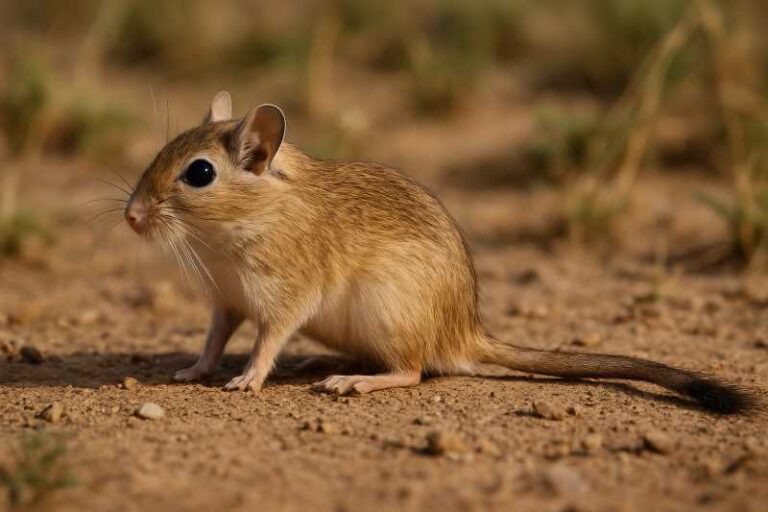
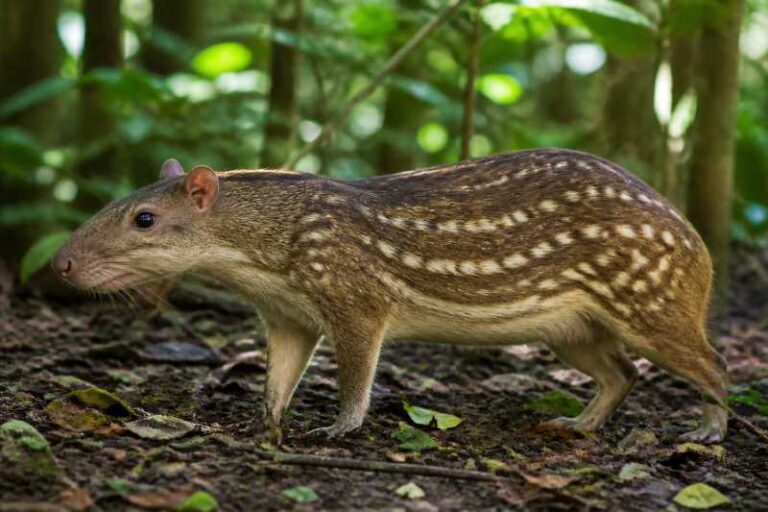
Goodman’s Mouse Lemur, scientifically known as Microcebus lehilahytsara, is a fascinating mammalian species endemic to Madagascar. This diminutive primate, first described in 2005, is one of the numerous species within the genus Microcebus, commonly known as mouse lemurs. These nocturnal creatures are particularly noteworthy due to their small size, endearing appearance, and the vital role they play in Madagascar’s unique ecosystem. As both a subject of scientific interest and conservation concern, Goodman’s Mouse Lemur represents the broader challenges facing Madagascar’s biodiversity.
Physical Description
Goodman’s Mouse Lemur is among the smallest primates in the world. On average, individuals measure about 5 to 6 inches in body length, with tails extending another 5 to 6 inches, making them almost equal in tail and body length. These lemurs weigh approximately 40 to 70 grams, contributing to their classification as one of the tiniest primates.
Characterized by their soft, dense fur, Goodman’s Mouse Lemurs exhibit a rich brown dorsal coat, which can vary slightly depending on the individual and environmental factors. Their ventral fur is typically lighter, ranging from off-white to a pale grey. The species is known for its large, expressive eyes, which are adapted for their nocturnal lifestyle, allowing them to navigate and forage in low-light conditions effectively.
Their ears are relatively large and rounded, aiding in acute hearing, an essential trait for detecting predators and communicating with other lemurs. The facial features are distinct, with a short muzzle and a characteristic white stripe running from the nose to the forehead, providing a key identification marker.
Range and Habitat
Goodman’s Mouse Lemur is native to Madagascar, specifically found in the eastern rainforests of the island. Their distribution is relatively limited, largely restricted to the forests surrounding the Andasibe-Mantadia National Park. This area is characterized by humid tropical rainforest, rich in biodiversity and critical for the survival of many endemic species.
These lemurs are arboreal, spending most of their lives in the forest canopy. They prefer dense, humid environments that provide ample cover and food resources. The forest structure allows them to move effortlessly between branches, exhibiting remarkable agility and dexterity.
Behavior and Diet
Goodman’s Mouse Lemur is primarily nocturnal, displaying peak activity during the night when it forages for food. The species is solitary but may exhibit social behaviors during the breeding season or when resting during the day. They communicate through vocalizations and scent markings, which play a crucial role in territory demarcation and mating.
The diet of Goodman’s Mouse Lemur is diverse and omnivorous. It primarily consists of fruits, flowers, and leaves, supplemented by insects and small vertebrates. This varied diet is essential for providing the necessary nutrients and energy required for their active lifestyle.
Their foraging behavior is characterized by quick, agile movements, as they jump between branches and use their acute sense of smell and sight to locate food. During periods of food scarcity, these lemurs are known to enter a state of torpor, reducing their metabolic rate to conserve energy.
Identification Tips (Field Recognition Cues)
Identifying Goodman’s Mouse Lemur in the field can be challenging due to its nocturnal habits and small size. However, several features can aid in recognition:
- Size and Shape: Look for a small, agile primate with a body length of 5 to 6 inches and an equally long tail.
- Fur Coloration: Note the rich brown dorsal fur and lighter ventral side, which can help distinguish it from other mouse lemur species.
- Facial Markings: The distinct white stripe running from the nose to the forehead is a key identifying feature.
- Eye Size: Large, reflective eyes are adapted for night vision, often visible when illuminated by a flashlight or camera flash.
- Movement Patterns: Observe their quick, agile movements through the canopy, often jumping between branches with precision.
Conservation Status (with Threats and Protections)
The conservation status of Goodman’s Mouse Lemur is currently listed as ‘Vulnerable’ by the International Union for Conservation of Nature (IUCN). Several factors contribute to this status, primarily habitat loss due to deforestation and agricultural expansion. The forests of Madagascar are under constant threat from logging, slash-and-burn agriculture, and infrastructure development, which reduce the natural habitat available for these lemurs.
Additionally, the species faces threats from climate change, which can alter their delicate habitat and food availability. Illegal pet trade and hunting, though not as prevalent, also pose risks to their populations.
Conservation efforts are focused on habitat preservation and restoration, with protected areas like Andasibe-Mantadia National Park playing a crucial role in safeguarding their environment. Local and international organizations are working to increase awareness and implement sustainable practices that benefit both the lemurs and the people who rely on the forest resources.
Frequently Asked Questions
What is the lifespan of Goodman’s Mouse Lemur?
In the wild, Goodman’s Mouse Lemur can live up to 8 to 10 years, although this can vary based on environmental conditions and predation pressures. In captivity, with optimal care, they may live slightly longer.
How do Goodman’s Mouse Lemurs communicate?
These lemurs communicate through a combination of vocalizations, including clicks and whistles, and scent markings. These methods are crucial for establishing territory and attracting mates.
Are Goodman’s Mouse Lemurs active during the day?
No, Goodman’s Mouse Lemurs are primarily nocturnal. They are most active during the night and rest during the day, often in tree hollows or dense foliage.
What conservation measures are in place for Goodman’s Mouse Lemur?
Conservation measures include habitat protection through the establishment of national parks and reserves, reforestation projects, and community education programs aimed at sustainable land use practices.
How can I help in the conservation of Goodman’s Mouse Lemur?
Supporting organizations focused on Madagascar’s conservation, advocating for sustainable practices, and spreading awareness about the challenges faced by these lemurs can contribute to their preservation.
Related posts